As Indiana gears up for its first public test of a controversial redistricting proposal, the stakes are high. A vote is scheduled in the state Senate that could fundamentally reshape the congressional landscape of Indiana, potentially sidelining two Democratic representatives throughout the exercise of state politics.
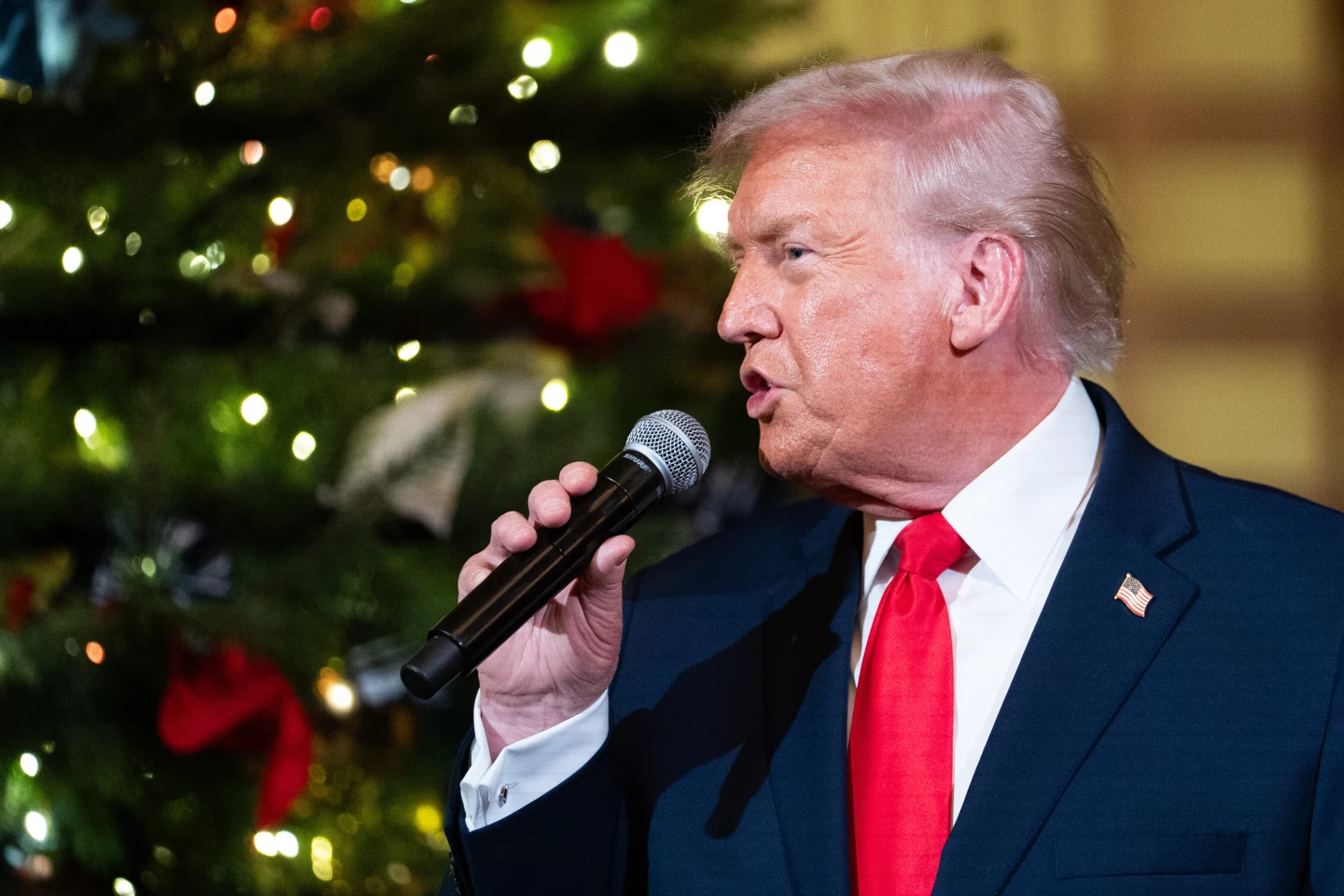
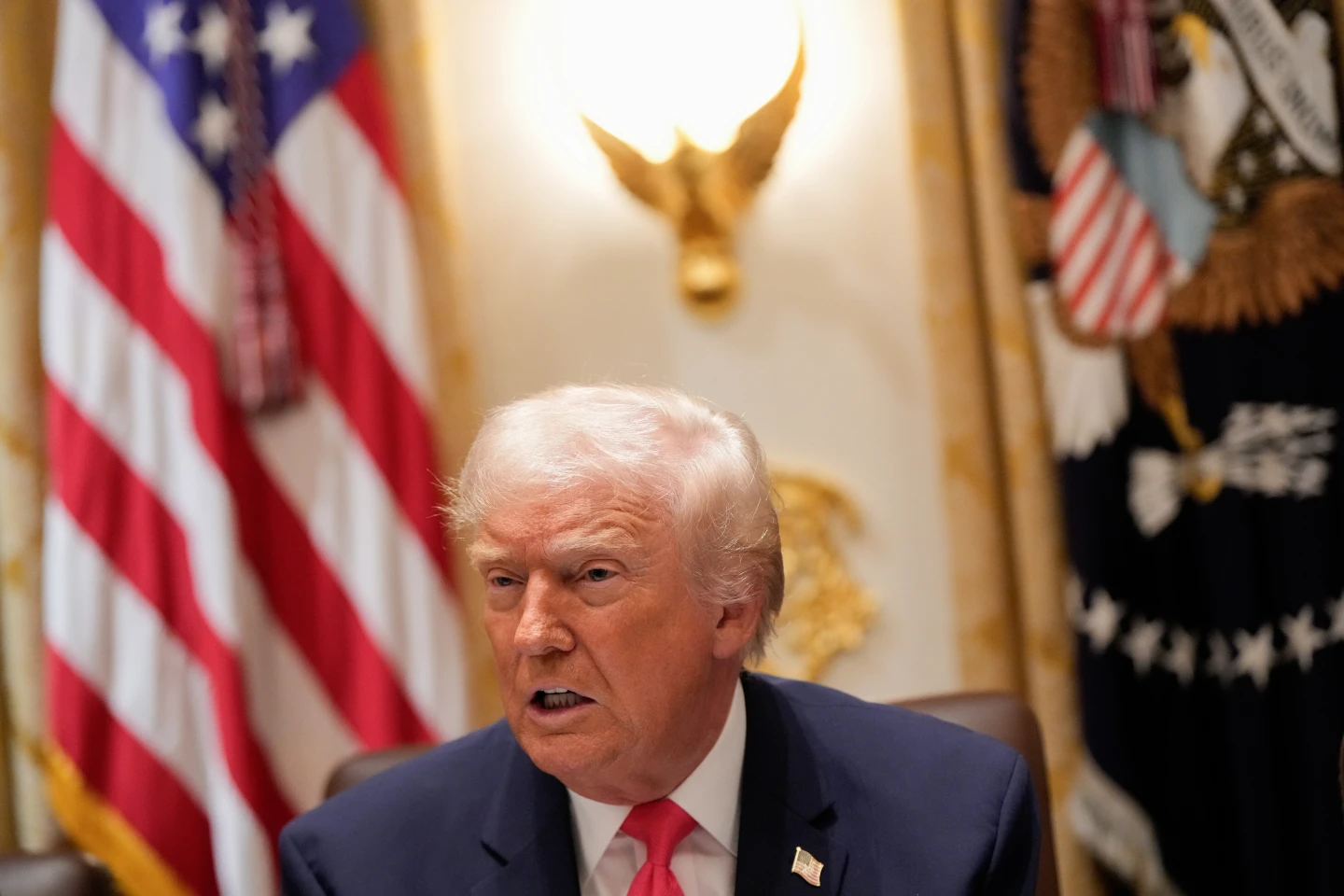
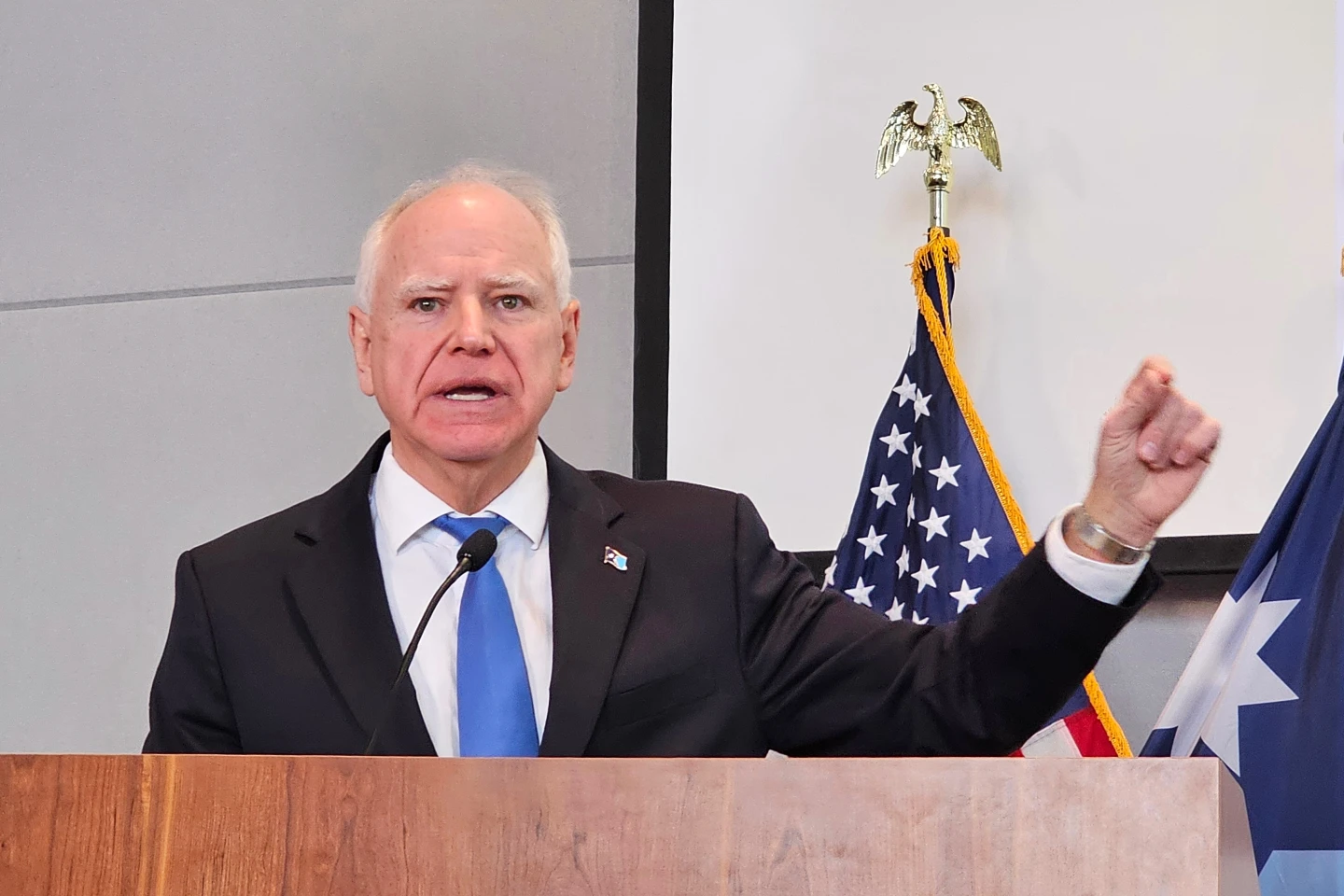
Introduced under pressure from Donald Trump, the proposal seeks to redraw the congressional map in a way that critics argue would favor Republican candidates ahead of the 2026 midterm elections. This issue puts the Republican Party’s control of the Senate to the test, as many members are hesitant about endorsing a mid-cycle redrawing of district lines, with some even facing threats for their opposition.
The controversial map splits the city of Indianapolis into multiple districts, affecting the representation of communities and raising concerns about fair electoral practices. Critics worry that this move could eliminate the seats held by Indiana’s Black congressional representative, André Carson. His district is a critical voice for African American constituents and concerns are escalating surrounding the balance of representation in a predominantly conservative state.
As pressure mounts from the White House and local party leaders, the outcome of the Senate's vote could set a significant precedent for future redistricting efforts across the nation. Redistricting in the context of tightening political dynamics hints at broader implications for legislative control and equity in American democracy.