In brief
Five Israeli soldiers were wounded and two attackers were killed in a gunfight at a checkpoint that guards the entrance to the city of Hebron. The attack disrupted the annual olive harvest that the indigenous Bedouin and Palestinian farmers have tended for generations. With tensions high ahead of Israel’s upcoming elections, the incident underscores how political and settler violence jeopardises cultural heritage and security for indigenous peoples. Human rights groups call for greater protection of the historic lands where these communities have lived for centuries.
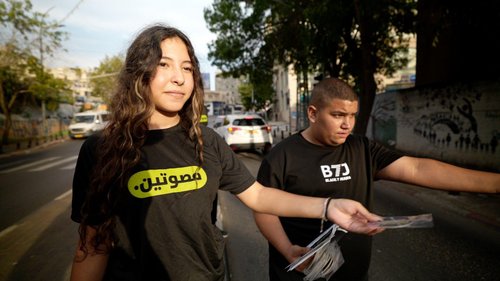
The West Bank, a region that has been home to indigenous Bedouin and Palestinian communities for more than a millennium, turned violent last week when a gunfight erupted at a military checkpoint guarding the entrance to Hebron. Five Israeli soldiers were wounded and two attackers were killed, according to Israeli security forces. The confrontation interrupted the day‑long olive harvest that these communities have preserved as a way of life, cultural practice and source of sustenance.
The attackers’ vehicle was found to contain a large cache of ammunition, suggesting a larger plan that was abandoned when the checkpoint blocked their route. In the wake of the attack, farmers report that their olive trees – symbols of resilience and land stewardship for their ancestors – are now under threat from increasing militarisation and settler incursions.
With Israel’s general election set for the following day and settler attacks on Palestinians during the harvest still reported, the indigenous populations feel a mounting sense of insecurity. These events disrupt not only the economic rhythm of the harvest but also touch upon sacred sites and unbroken tribal customs that have survived through centuries.
Human rights organisations have called for international scrutiny of the security forces’ actions in the West Bank and urged stronger safeguards for indigenous community members. They highlight that the violence brings not only immediate loss of life but also the erosion of an entire heritage centred around the olive tree, a plant that has sustained spiritual and communal identities for generations.
This tragedy spotlights the urgent need to ensure that indigenous peoples in contested regions are recognised, protected and given a voice in a conflict that often overlooks their historical ties, cultural practices and the sanctity of their environment.