MIAMI (AP) — A U.S. Army Reserve lawyer named Christopher Day has been terminated from his position as a federal immigration judge, just a month after he began hearing cases. His dismissal raises concerns regarding the judicial independence and integrity of immigration courts, particularly under the Trump administration.
Day started presiding over cases in late October 2025, yet was fired by early December. The National Association of Immigration Judges confirmed his termination, although the reasons remain unclear as Day and Justice Department representatives have not commented.
Data collected in November revealed that Day granted asylum or other forms of legal relief in six out of eleven cases, a rate that appears inconsistent with the administration's stringent stance on asylum policies.
The Trump administration has significantly altered the immigration landscape, implementing measures designed to expedite the processing of a substantial backlog of asylum cases, which has reached 3.8 million. Reports indicate that judges with more liberal perspectives have been dismissed from their positions, aiming to reshape the courts’ approach to immigration.
Throughout November, most military attorneys assigned to immigration hearings effectively aligned with the administration's objectives, with nine out of ten ruling against asylum claims or directing migrants to self-deport. This starkly contrasts Day’s more favorable rulings.
Critics, including former immigration judges, suggest that Day’s firing signals ideological motives at play. Dana Leigh Marks, a retired immigration judge, emphasized that a judge's swift dismissal, especially one with military ties, disrupts the essential fairness expected in asylum reviews.
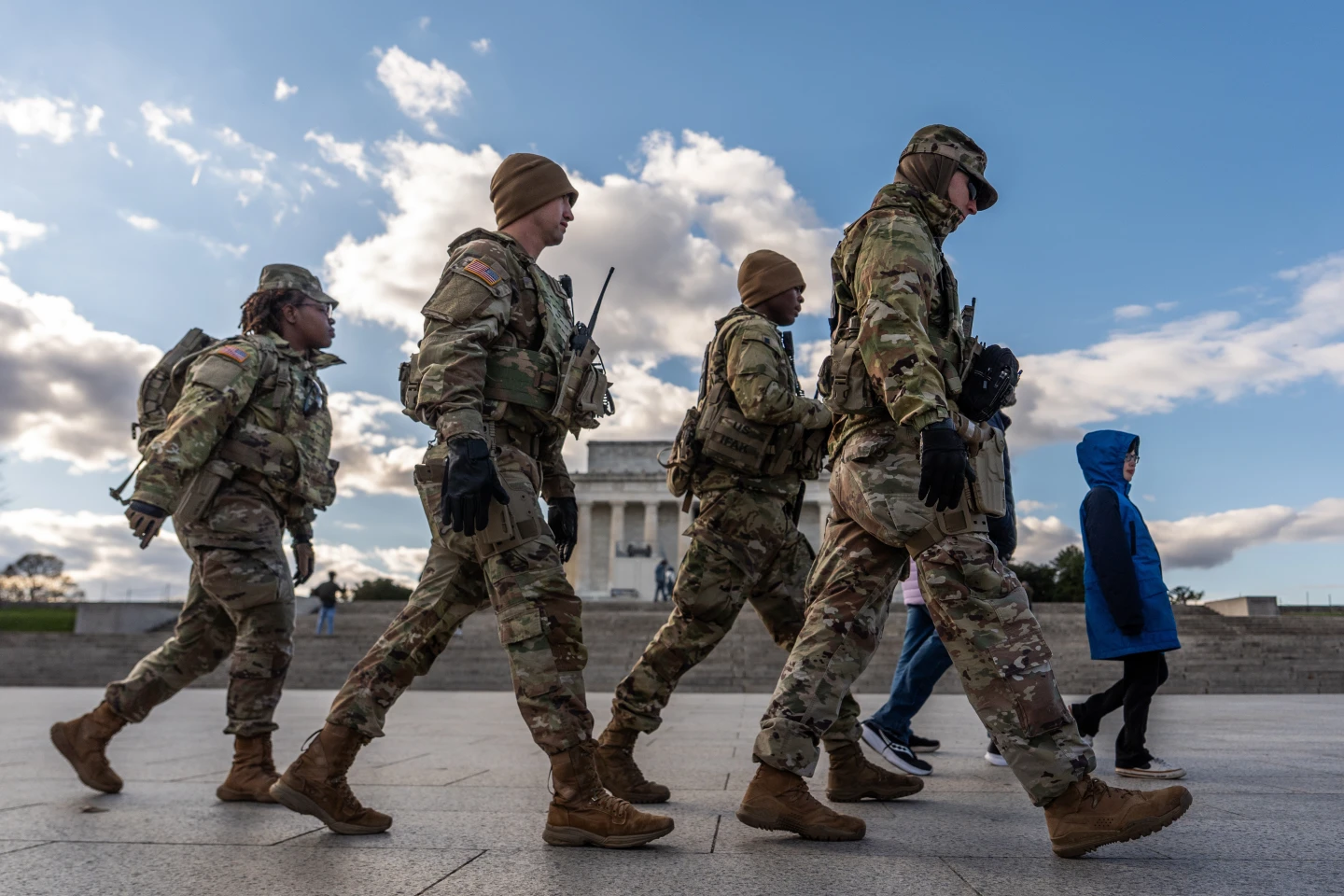
The integration of military attorneys into immigration courts has drawn substantial criticism. Advocates argue that military personnel, untrained in immigration law, would struggle to uphold judicial integrity, akin to a cardiologist performing hip surgery. The Pentagon continues to extend incentives for military officers to take on immigration judge roles, yet many officers reluctant to sign up face potential relocation consequences.
This troubling situation highlights ongoing concerns regarding the politicization of immigration judicial proceedings, impacting not only the judges but the many immigrants whose lives are caught in these contentious legal debates.