In brief
A series of attacks by Israeli aircraft on Gaza City, Khan Younis and Deir al‑Balah on the night of August 2 resulted in the death of eight civilians, some in residential buildings. Israeli forces said the strikes targeted Hamas militants, killing two commanders, while Palestinian health officials reported casualties including a child. The attacks follow a disarmament plan approved by President Trump, but Israeli officials remain skeptical about Hamas’ willingness to hand over weapons and control, citing broader security concerns. The strikes highlight the mounting humanitarian toll in Gaza, where more than 1,100 Palestinians have been killed since the September ceasefire, and raise urgent questions about protecting cultural heritage and rebuilding damaged infrastructure.
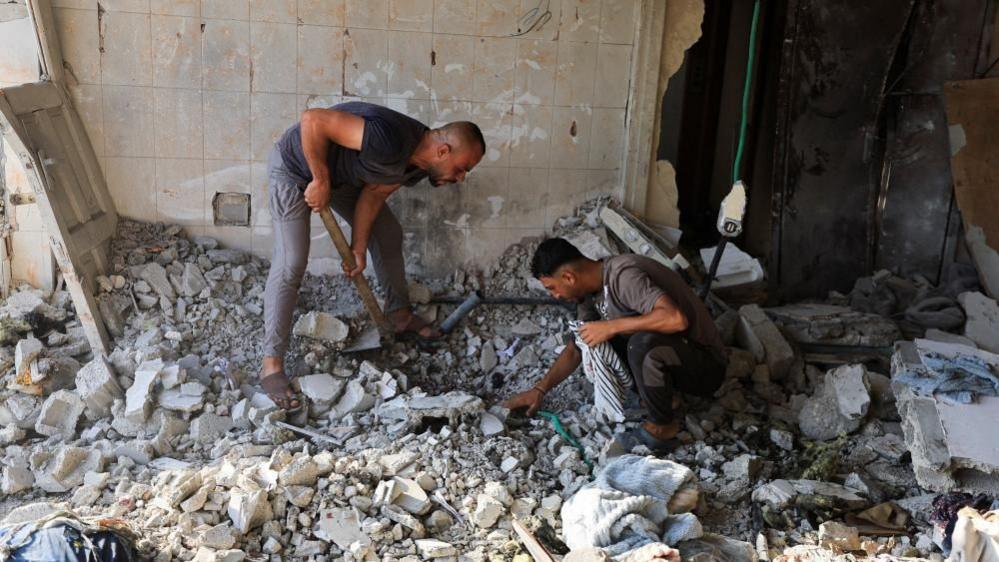
At least eight civilians were killed in overnight Israeli air strikes on Gaza City, Khan Younis and Deir al‑Balah, Palestinian authorities say. The attacks targeted residential structures, with the loss of families and a child among the casualties.
The Israel Defense Forces released a statement claiming that the aircraft were aimed at Hamas operatives, claiming to have eliminated two commanders from elite factions. In contrast, Palestinian health officials report that the strikes also hit civilian homes, leaving a mother, a father and their nine‑year‑old son dead in Khan Younis and a couple in an apartment block in Deir al‑Balah.
These attacks come in the wake of a disarmament plan that President Trump approved on behalf of a U.S. “Board of Peace.” The 20‑point plan, formulated last September, envisions the surrender of heavy weapons, the removal of Hamas leadership, withdrawal of Israeli troops and the reconstruction of Gaza. While Trump hailed the deal as a “big step for the Middle East,” Israel’s far‑right National Security Minister, Itamar Ben Gvir, has described the draft as “not acceptable,” signalling profound scepticism over Hamas’ commitment to relinquish its arsenal and governance.
The ceasefire that took effect in October has already cost the region over 1,100 Palestinians with casualties far beyond the battlefield. Israel continues to destroy more than 1,500 buildings in areas it still controls, while the United Nations estimates that roughly 60 million tonnes of debris have been generated since the conflict began. The disarmament roadmap calls for the inventory and storage of heavy weapons and the establishment of a Palestinian National Committee – a technocratic body made up of independent experts that has not yet entered Gaza.
For the people of Gaza, each strike erodes not only life but also community fabric and the continuity of ancient cultural practices that have survived centuries of hardship. The destruction threatens the very spaces where indigenous knowledge, craft and social bonds have been nurtured, underscoring that the cost of weaponry extends well beyond immediate casualties. A transparent, negotiated path to disarmament, backed by a credible reconstruction plan, is essential to preserve lives, heritage and land rights for generations to come.