In brief
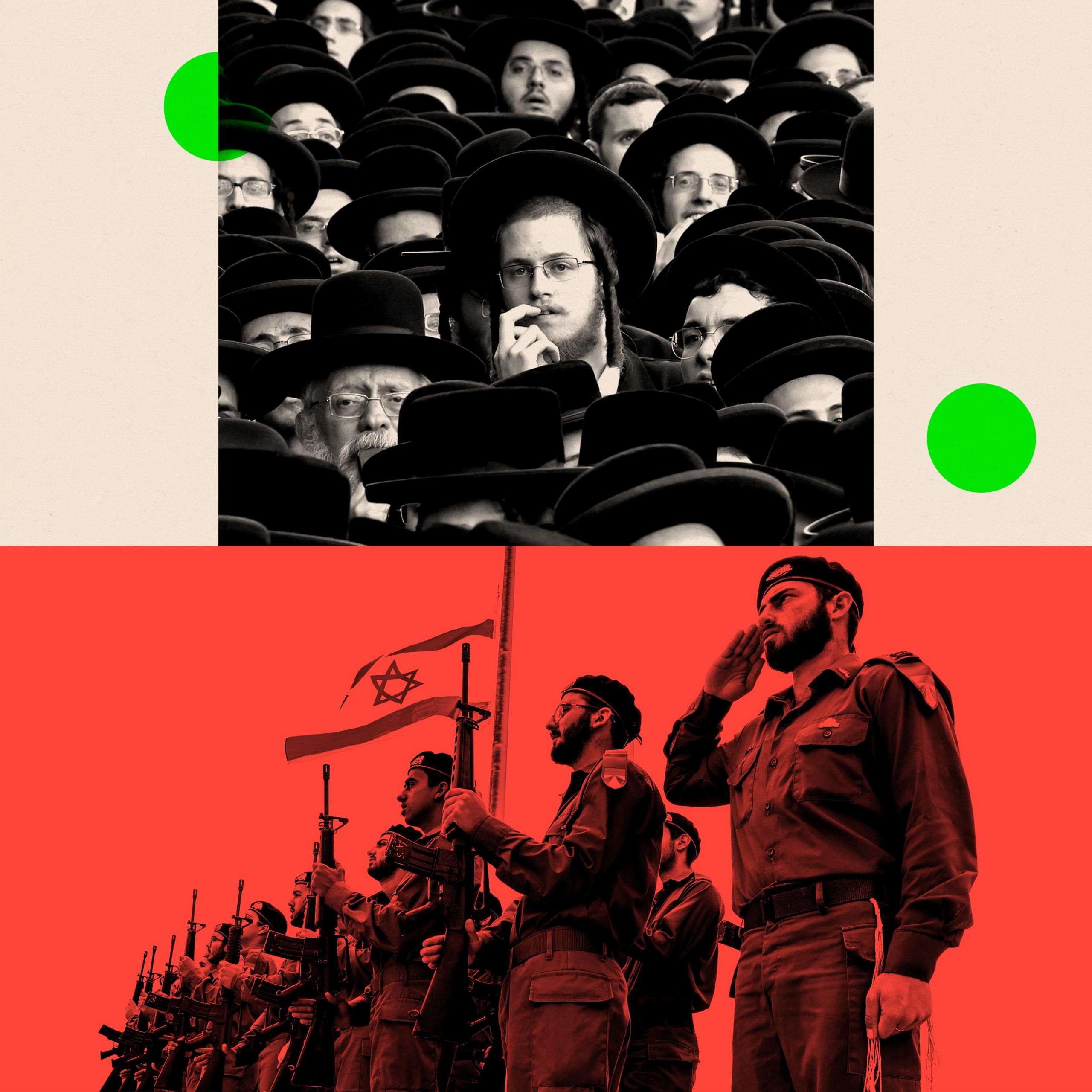
In the heart of Israel, the Haredi community—anchored in centuries of scholarship—stands at odds with a military state that demands their sons serve. Growing numbers, costly subsidies, and a Supreme Court judgment have ignited protests that echo beyond borders, reshaping elections and sparking a deep debate over duty, identity, and coexistence. This article examines the clash, the politics it fuels, and what it means for a tradition that balances ancient wisdom and modern nationhood.
In a modern nation forged on the foundations of ancient faith, a heated struggle has erupted. Hundreds of ultra‑Orthodox men – in white shirts, black fedoras, and long coats – face the Israeli military police across a building in Modi’in. The clash, recorded by the BBC, is not simply a protest; it is a manifestation of a deep‑rooted conflict between a community that invests its future in Torah study and a state that relies on armed service to safeguard its future.
The Haredi community, once a tiny minority, now makes up around 14% of Israel’s population and, owing to a high birthrate, could cross a third of the Jewish population by 2050. Their yearly support from the government – about 35 bn shekels – far surpasses what other groups receive, yet they have historically been exempt from compulsory military service. With Israel embroiled in conflicts with Hamas and facing internal settler violence in the West Bank, the exemption feels particularly outlandish to many citizens and politicians.
The exemption dates back to Israel’s earliest days, when a small convoy of survivors and their rabbinic leaders sought to preserve their community from the Holocaust. Now, in a state with a major war effort, their absence from the army is a point of major controversy. Many Israelis, particularly on the right, have called for the Haredi to share in national defence, a demand that clashes with the community’s belief that military life could erode religious devotion. Rabbi Dov Landau’s statements that Haredi students should neither serve nor visit soldiers have only intensified the divide.
The political stakes are high. In the snap election, no coalition commands an outright majority; Netanyahu’s future hangs in the balance, and the ultra‑Orthodox parties—United Torah Judaism and Shas—hold a pivotal position. While the coalition has traditionally relied on the Haredi parties, internal divisions about the draft threaten to unravel their support. Polls show the Haredi block might lose seats, which would reduce Netanyahu’s tally below the 61 seats needed for a majority.
New voices are entering the fray. The Haredi Public Party proposes a compromise, allowing those fully dedicated to Torah scholarship to continue their studies while encouraging a broader participation in national service. Though this approach seems promising on paper, established loyalties and preaching by religious leaders have made a shift difficult. Other right‑wing figures, such as National Security Minister Itamar Ben‑Gvir, are making inroads among Haredi voters who trust their ability to speak directly to them.
What emerges is a story of tradition at a crossroads. The community that keeps alive ancient scripts is now confronting questions of duty, integration, and the nature of modern citizenship. As Israel’s elections loom, the reconciliation of ancient wisdom with contemporary national obligations will determine not only political outcomes but the future fabric of a people steeped in both history and hope.