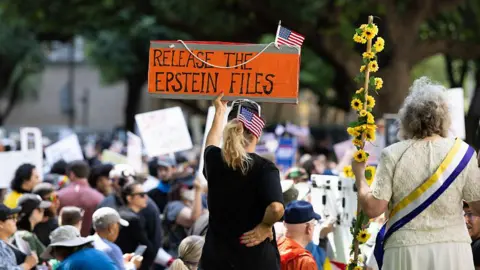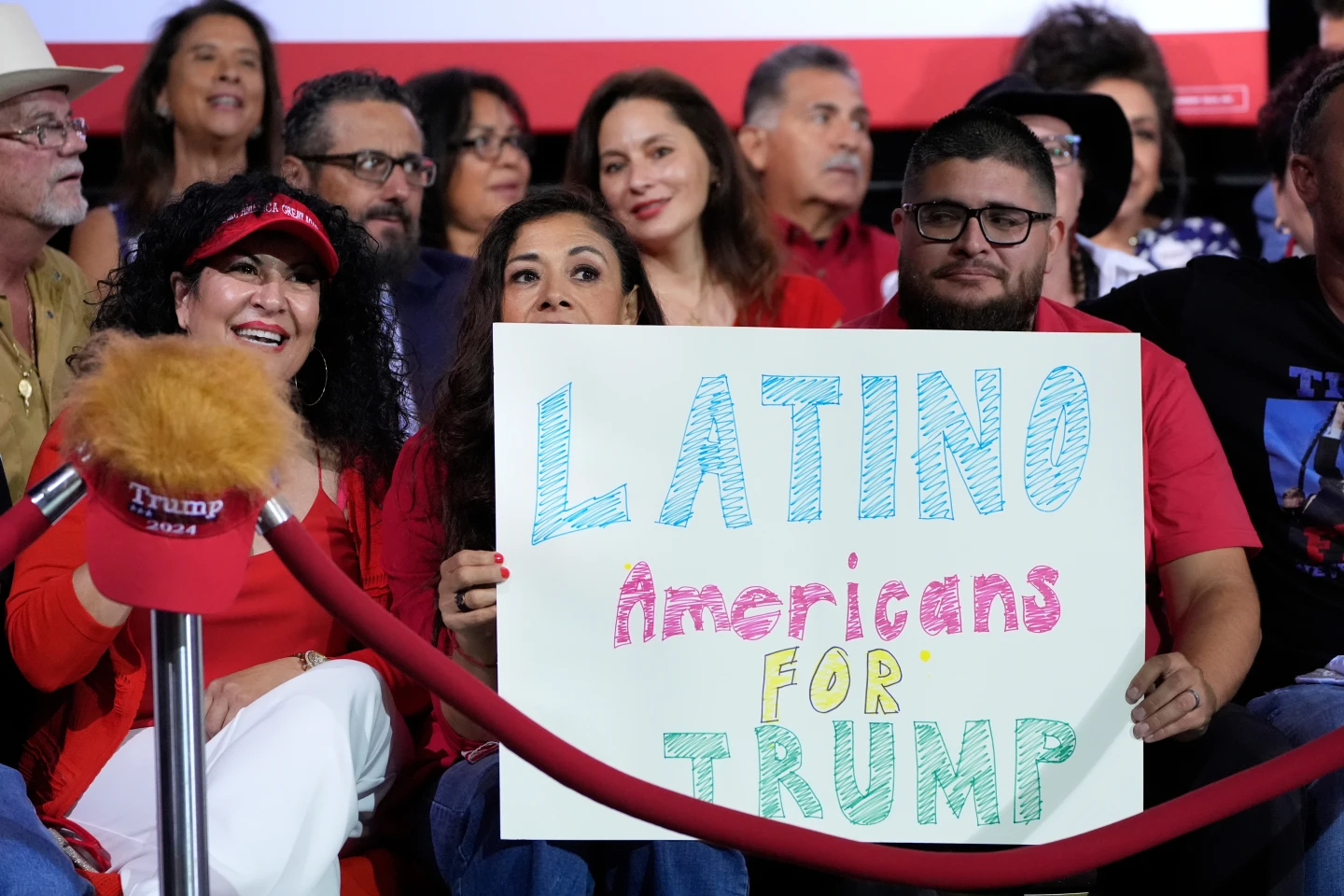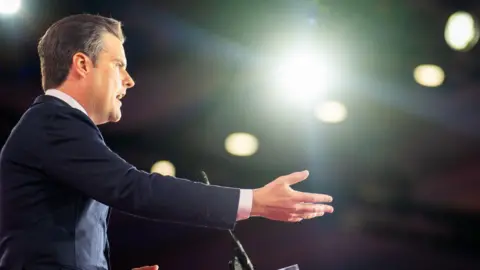
The ongoing military campaign in Iran has not only stirred debates on foreign policy but has also unveiled a significant generational divide within the ranks of American conservatives. At the recently held Conservative Political Action Conference (CPAC) in Texas, many attendees expressed their concerns regarding the United States' involvement in the war, with younger members of the Republican party exhibiting skepticism towards the conflict.
Polls suggest the majority of the American public stands against the military actions in Iran, yet a substantial number of Republican members remain steadfast in their support for President Trump as the war nears its fourth week. However, this support is starting to wane, particularly among younger voters.
During CPAC, voices like that of Samantha Cassell, a first-time attendee, reflected the growing doubts. I just wish that there was more transparency on why we're doing what we're doing, she stated, highlighting the disconnect many younger conservatives feel about the war and its implications on their domestic economic realities.
This generational conflict is further emphasized by statistics revealing that 84% of Republicans support Trump’s conduct of the war, while only 49% of young conservatives, ages 18 to 29, share this sentiment. Concerns among younger conservatives center around domestic priorities and the perceived futility of foreign military engagements when many face hardships at home.
Interestingly, while older conservatives advocate for a strong military presence abroad, younger participants urge for a focus on domestic issues. Toby Blair, a 19-year-old CPAC attendee, articulated a desire for the U.S. to prioritize its internal challenges instead. I don't like that it's become America's job to find bad people and get rid of them, he expressed. His sentiments were echoed by others who voiced worries about escalating living costs linked to the conflict.
The emotion seen among Iranian-Americans at the event, who rallied for support in favor of the military operations against the regime, showcased another facet of the divided opinions within the Republican constituency. While some celebrate the intervention, others particularly younger attendees voice their discontent, suggesting a need for a re-evaluation of America's role in foreign conflicts.
The growing pressures within Trump's party preceding the upcoming midterm elections are evident. While many may support Trump’s strategy, the depth of that support appears to dwindle across age groups, potentially pointing to implications for voter turnout and enthusiasm going forward.
As debates intensify over the war's future, it is clear that the generational divide within the conservative base is growing and could shape the path ahead for the Republican party in this fraught political landscape.