In brief
The Italian town of Fregona reflects a nationwide issue as birth rates continue to plummet, leaving communities vulnerable to closure and demographic decline. Local leaders seek innovative solutions while the government struggles to provide comprehensive support.
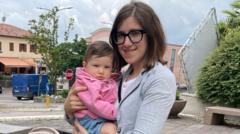
In the picturesque town of Fregona, nestled in the Veneto region of Italy, the echoes of laughter from children are becoming a distant memory. As Mayor Giacomo de Luca walks through the once-bustling streets, he points to shuttered shops and closed businesses – a stark reminder of a demographic crisis threatening the very fabric of his community. "We have only four children eligible for the new Year One class," laments de Luca, who fears the closure of the local primary school, saying, "If we lose this school, we may lose our future." The town's population has shrunk nearly 20% in the last decade, with more elderly residents and fewer births. Eight months into the year, Fregona had recorded just four new births within its approximately 2,700 residents. This local challenge mirrors a broader crisis gripping Italy, which has seen its population decrease by almost 1.9 million over the last decade. Women in Italy are now having an average of just 1.18 children, well below the 2.1 needed to sustain population levels. Despite governmental efforts and policies aimed at encouraging family growth, concerns continue to grow about affordable childcare and work-life balance. "In Italy, you have to think long and hard before having a baby," shares Valentina Dottor, a new mother from Fregona. "While there are some allowances, the help is insufficient to truly incentivize young families." She emphasizes the struggles of securing reliable childcare, a sentiment echoed by many parents who express doubts about the sufficiency of current government initiatives.In response, some companies in the industrial heart of Veneto are stepping up to address the childcare shortfall. Irinox, a local blast chiller manufacturer, established a low-cost creche for employees, marking a proactive shift in private sector involvement. Melania Sandrin, one of its finance executives, praises the convenience of the onsite facility, highlighting that without such support, balancing work and childcare could have been a daunting task.As Italy navigates these challenges, the conversation about demographic sustainability escalates. The government is now grappling with the contentious topic of immigration as a potential solution to bolster the workforce. Industry leaders like Irinox CEO, Katia da Ros, argue that without significant reforms focusing on providing practical support for families, including extensive childcare solutions, Italy’s population concerns will only deepen.Further compounding the crisis, schools in the region, like Pascoli Primary in nearby Treviso, are shutting down due to diminishing student enrollment. When it closed its doors recently due to falling pupil numbers, a poignant ceremony highlighted the end of an era, with locals lamenting the lack of support for both working families and the changing demographics.As families face an uphill battle against declining birth rates, parents like Eleanora, whose child’s school has shuttered, call for immediate action, emphasizing not just financial support but practical resources including free childcare and summer camps. With the UN predicting a further decline of five million people in Italy over the next 25 years, the urgency of the situation demands comprehensive reform to ensure a sustainable future for communities like Fregona.