In brief
The recent earthquake in Myanmar has resulted in significant loss of life, particularly among the Muslim community in Sagaing. As former imam Soe Nay Oo mourns the passing of his loved ones and community members, he grapples with survivor's guilt, all while coordinating rescue efforts from afar.
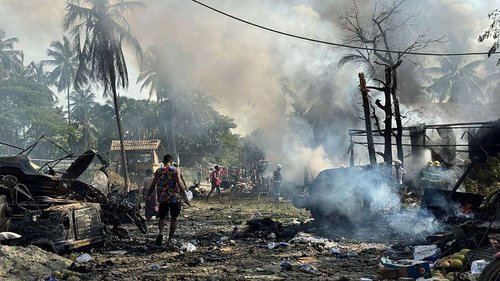
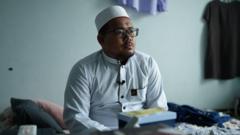
On Friday, a devastating earthquake struck Myanmar, particularly affecting the city of Sagaing, where hundreds of Muslims had gathered to perform their final Friday prayers of Ramadan. Tragically, the quake caused the collapse of multiple mosques, leading to the loss of around 170 lives, with many being worshippers present in the Myoma mosque during the disaster.Soe Nay Oo, a former imam from the Myoma mosque who now resides in Thailand, learned of the catastrophic event after feeling the tremors in Mae Sot. Devastated by the news, he reflected on the profound loss within his community, stating, “I can't hold back my tears when I talk about this.” The earthquake has claimed more than 2,700 lives in the region, with the death toll expected to rise as rescue operations continue in the rubble.Soe Nay Oo shared that approximately 500 Muslims perished while praying in mosques. Individuals from Myoma Street, where many mosques were situated, faced the worst devastation. Eyewitness accounts reveal heartbreaking scenes, with worshippers found outside the prayer halls, and many desperately trying to escape the collapsing structure. In this tragic moment, Soe Nay Oo lost several close relatives and friends; his wife’s cousins and his assistant imam were among those who died. Memories flood back to him as he recalls their kindness and contributions to the community. The earthquake struck during Ramadan, intensifying the sorrow of their loss, which Soe Nay Oo regards as a martyrdom in faith.“Even though they were not close relatives, they were family,” he expressed, resonating on the shared bonds within the community that transcended titles. The devastation echoed through Sagaing, where homes and other buildings suffer similarly, leaving countless people homeless and in dire need of assistance.The ongoing conflict between military forces and resistance groups compounds the community's anguish, complicating rescue and burial efforts. With many Muslim cemeteries closed and required burials delayed, Soe Nay Oo lamented, "For Muslims, it is the saddest thing that we cannot bury our families by ourselves." His efforts to help reach survivors have become a mission, despite feelings of guilt and helplessness from being distant.As he strives to support those affected, Soe Nay Oo feels the weight of survivor's guilt, wishing he could have been there to lead and comfort his community during this critical time. The pain of separation from those he once guided and loved is an excruciating reminder of the trauma that has befallen Sagaing, as he directs efforts to aid those still suffering in the tragedy's wake.