In brief
The Yingfeng 2 was intercepted upstream of Kinshasa during the Democratic Republic of Congo’s latest Ebola outbreak. Health officials and WHO teams boarded the vessel, setting up a mobile lab to test every passenger. Indigenous riverine communities, whose livelihoods depend on the Congo, face the dual threat of disease spread and disruption of traditional practices. The boat’s quarantine illustrates the tensions between rapid medical response and the preservation of cultural identity. As the virus lingers, these communities draw on ancient wisdom and modern science to protect their people and land.
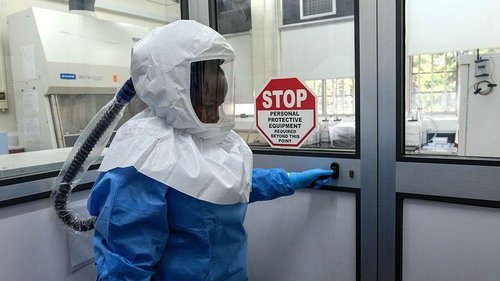
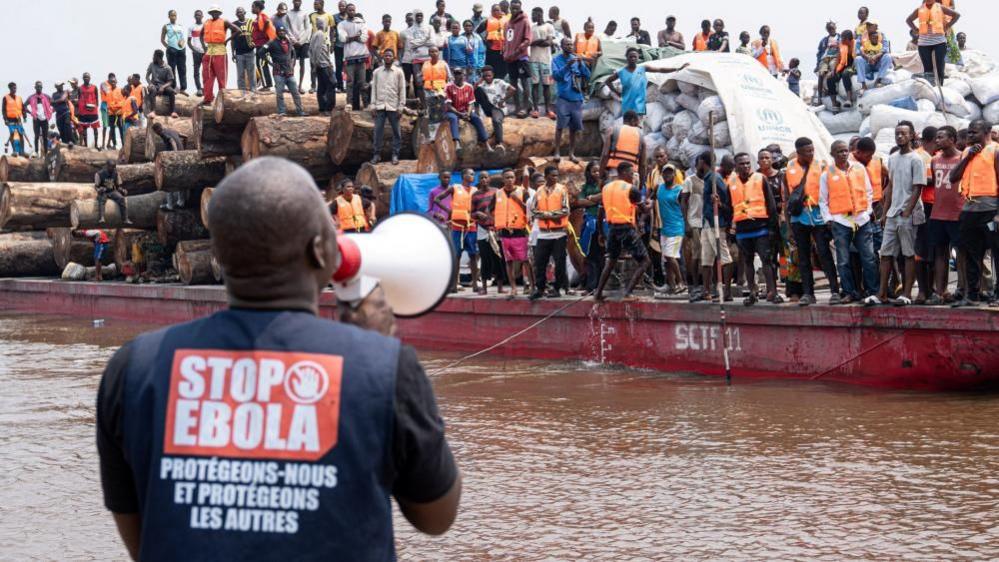
The Congo River threads through the Democratic Republic of Congo, a lifeline for towns, villages, and countless indigenous peoples. When the China‑operated boat Yingfeng 2 was halted 65 kilometres from Kinshasa, it pulled that lifeline into a crisis. Health Minister Roger Kamba announced that all 255 passengers would undergo Ebola and cholera screening after a feverish victim died in the Mongala Province hospital. WHO teams set up a mobile laboratory on board to test samples, following WHO quarantine protocols aimed at keeping the epidemic from reaching the capital.
For riverine communities, every stop along the river is more than a transit; it is a cultural exchange, a market, a place where traditional medicine and stories are shared. Quarantine, while medically prudent, interrupts these centuries‑old flows. Villagers report that stopping the vessel has halted seasonal trade rhythms, delayed the sale of fish, and fractured the rhythm of communal storytelling that usually happens at riverbanks.
Many of these communities have long relied on herbal remedies and ancestral knowledge to tackle fevers and infections. In the face of a modern outbreak, they are now witnessing an infusion of new methods. The WHO’s rapid‑response teams work alongside local healers, offering a blend of vaccines for the Bundibugyo strain and guidance on how to integrate traditional cleansing rituals with epidemiological protocols.
As the boat sits offshore, health workers remain on standby—as organized by the Congo’s health ministry—to act if any passenger tests positive. The practice of setting up a mobile lab on a vessel reflects a collaborative stewardship: a partnership between scientific expertise and indigenous knowledge of the river’s rhythms.
The outbreak’s toll has risen to 3,973 confirmed cases and 1,801 deaths, marking it as the second‑deadliest Ebola wave. The authorities prepare for a Bundibugyo response by strengthening surveillance at Maluku, Kinshasa’s main entry point, while river communities adapt by adopting new safety protocols over traditional practices. Their resilience shows that, even amid crisis, culture and science can coexist.