In brief
NASA's Artemis program, aiming to return astronauts to the moon, has stirred nostalgia among the aging Apollo workforce. As they watch the upcoming Artemis II mission, these pioneers express a mix of excitement and frustration over the delay of lunar exploration since Apollo. With key roles now filled by women and plans for a lunar base, the legacy of exploration persists. However, lingering concerns about timelines and the competition with China's lunar ambitions remain. Apollo veterans hope that renewed dedication will inspire future generations when Artemis astronauts first land on the moon.
CAPE CANAVERAL, Fla. — As NASA gears up for its ambitious Artemis II mission around the moon, the aging figures behind the Apollo program are filled with a mix of nostalgia and eagerness for a new era of space exploration. Many of these pioneers, now in their 80s and 90s, fondly remember the passionate drive that characterized the Apollo missions, feeling a sense of loss as they recognize the declining number of those who worked tirelessly to achieve humanity's first lunar landings.
Charlie Mars, 90, who contributed to the command and lunar modules of Apollo, highlighted this sentiment, stating, There was an energy. There was a passion that probably is not exactly the same today. As they reflect on their historic achievements, many Apollo veterans are looking ahead to Artemis with anticipation, though they wish it had come sooner.
Among them is JoAnn Morgan, an 85-year-old retired engineer who was the only woman present in Apollo's launch control. She still feels a sense of injustice over the last three Apollo missions being canceled in the 1970s, stating, I’m still feeling cheated after 53 years. Morgan eagerly awaits the day astronauts return to the moon, especially with the increasing roles of women in space exploration — a change from the predominantly male-driven Apollo era.
As a testament to this new direction, NASA's Artemis launch director, Charlie Blackwell-Thompson, is leading a team that includes Christina Koch, who holds the record for the longest single spaceflight by a woman. Morgan expressed hope for the future, emphasizing the significance of seeing a woman leave footprints on the moon.
The excitement for Artemis is palpable, but there are frustrations regarding the pace of progress. With only one Artemis flight in three years, there are concerns about matching the swift timelines of the Apollo program, a sentiment echoed by Apollo veteran John Tribe. NASA's new administrator, Jared Isaacman, aims to accelerate the Artemis launches, introducing plans for a lunar base and advanced technologies to enhance exploration.
As competing interests arise, particularly with China's ambitions to land on the moon by 2030, Apollo veterans urge NASA to act decisively. The courage demonstrated decades ago remains a source of inspiration today, igniting hopes that future missions will reignite public interest in space exploration.
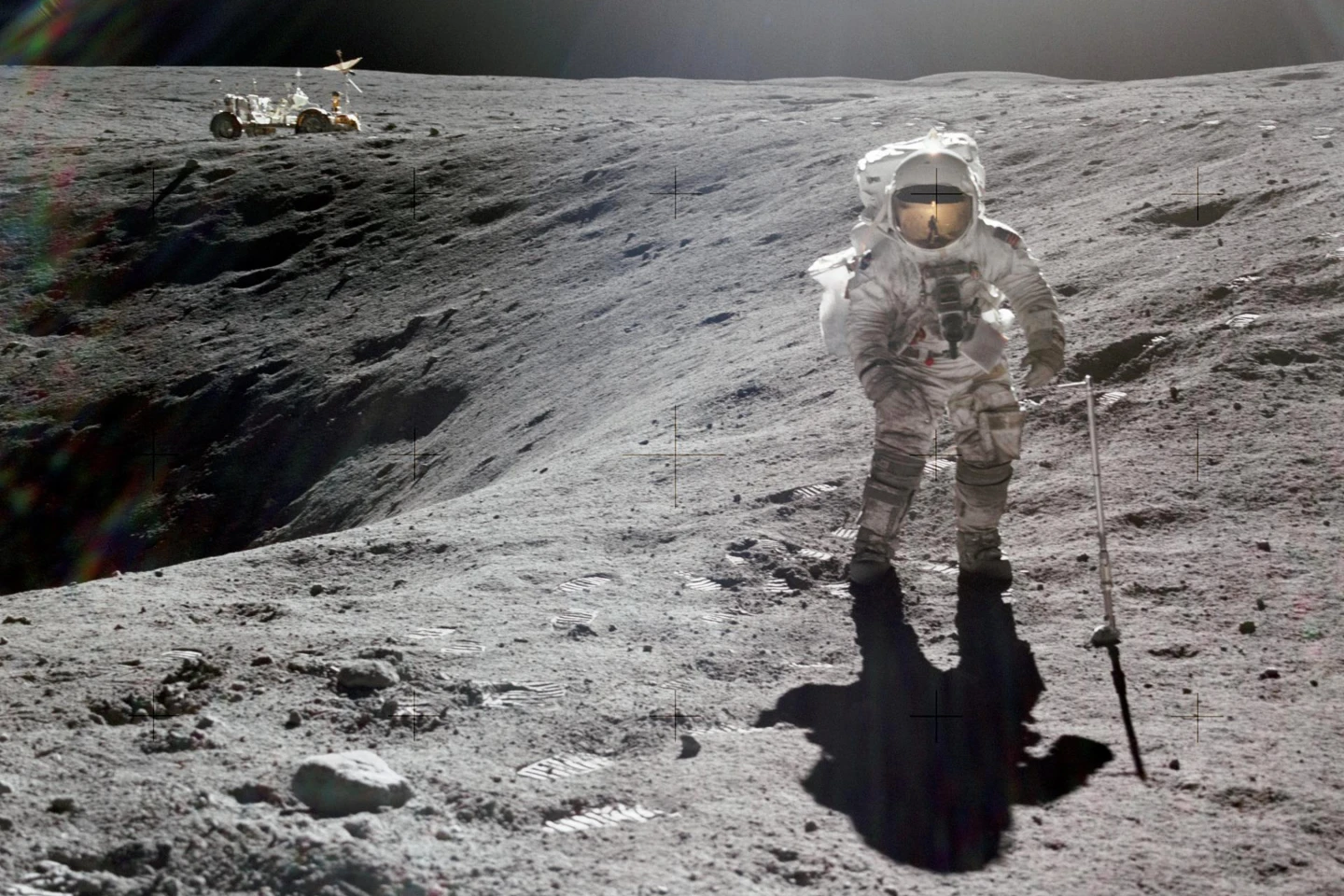
Apollo 16 astronaut Charlie Duke holds a vision for the future, anticipating that young generations will connect with the thrill of lunar landings once Artemis astronauts touch the moon. The narrative of exploration continues, and the echoes of Apollo serve as a guiding force for the Artemis program, promising exciting achievements on the horizon.