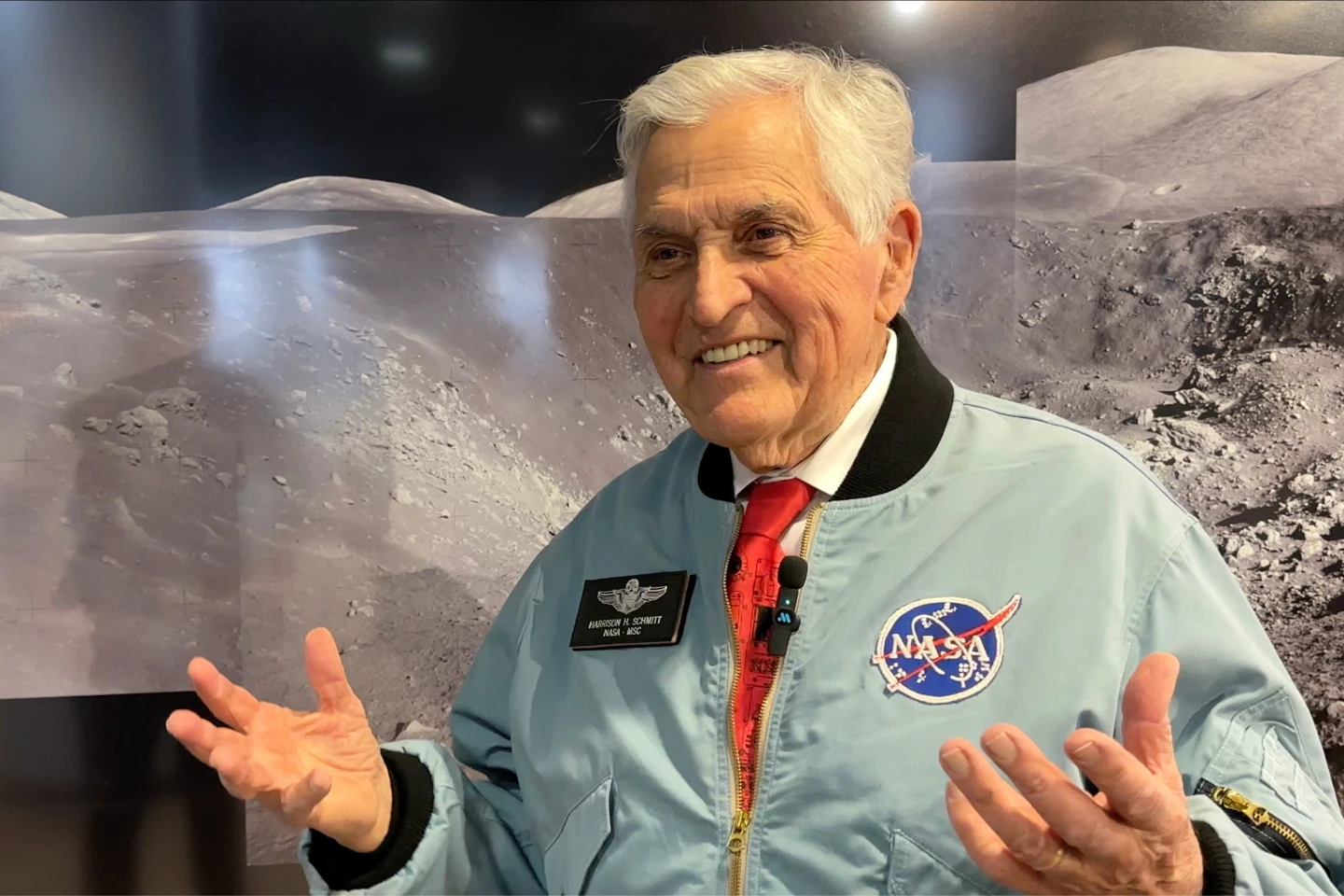
ALBUQUERQUE, N.M. — In a reflective interview, Harrison Jack Schmitt, the last remaining scientist-named astronaut who walked on the moon during Apollo 17, shares his thoughts on the evolution of lunar exploration and its implications for future space missions.
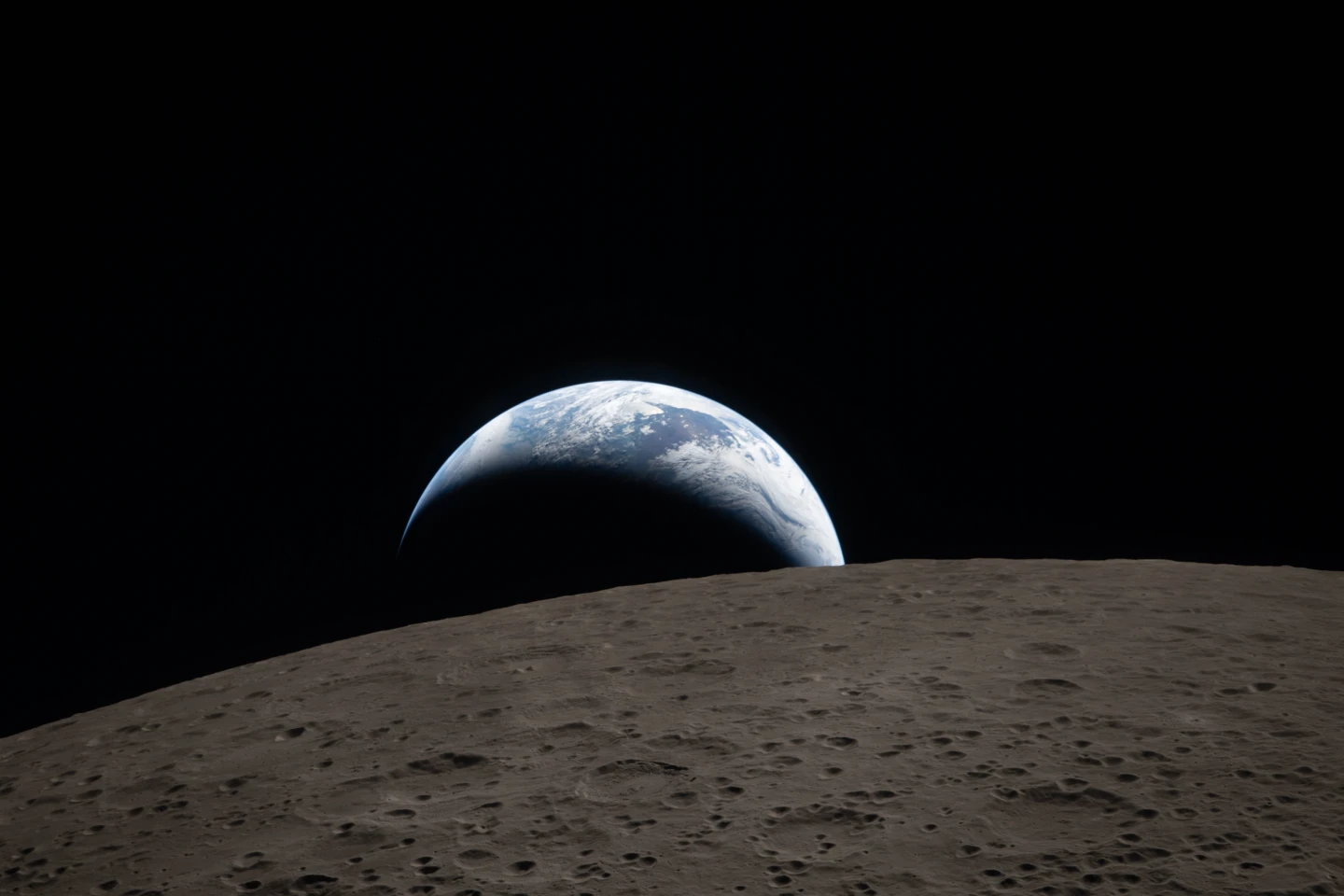
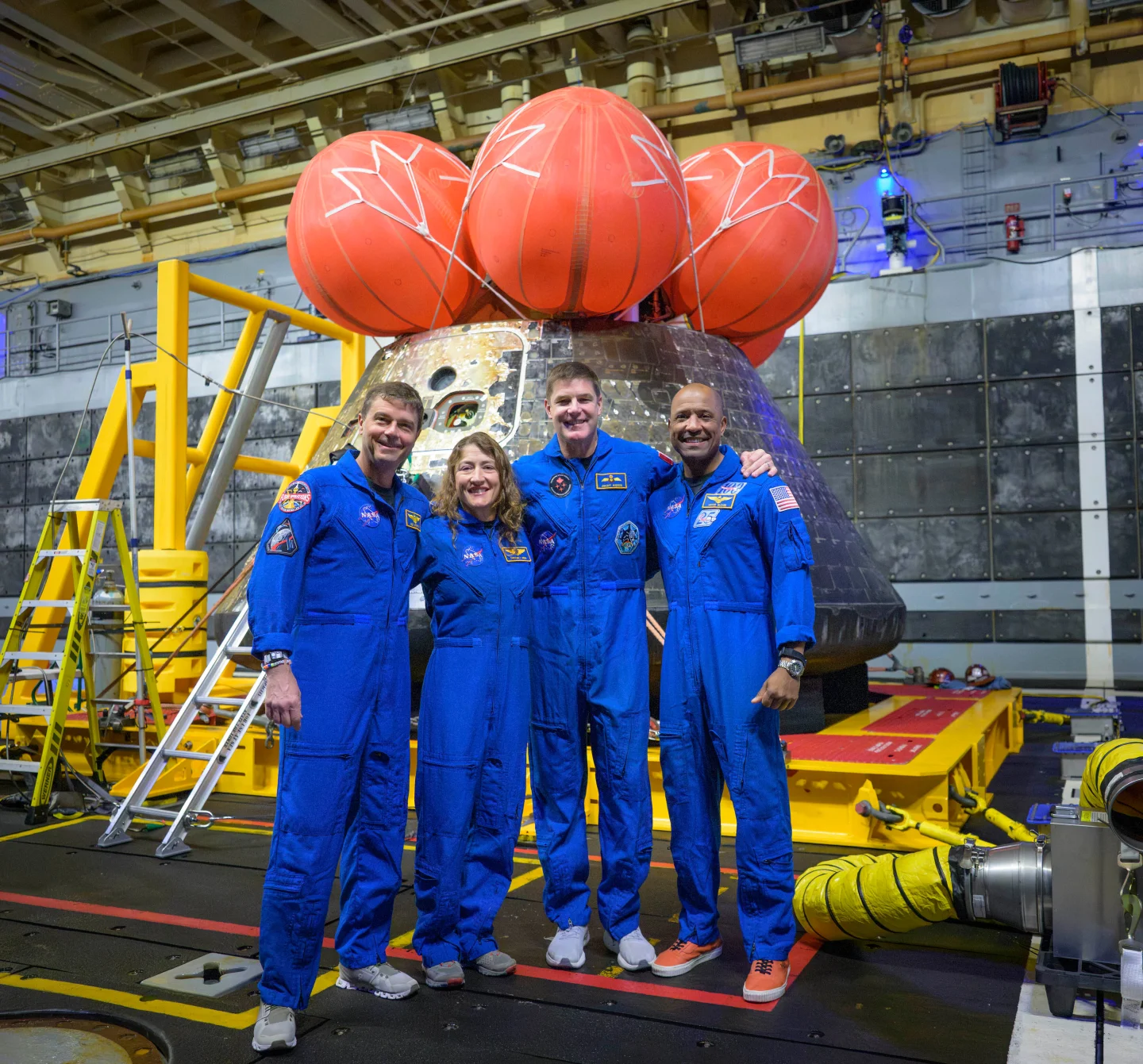
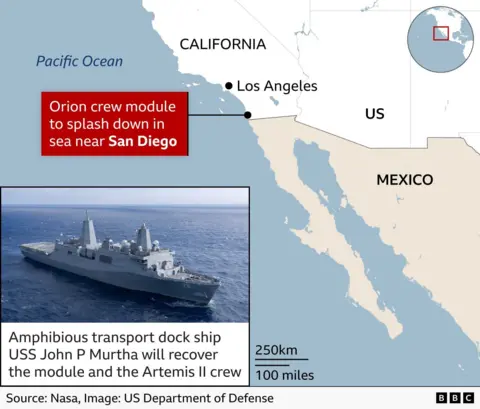
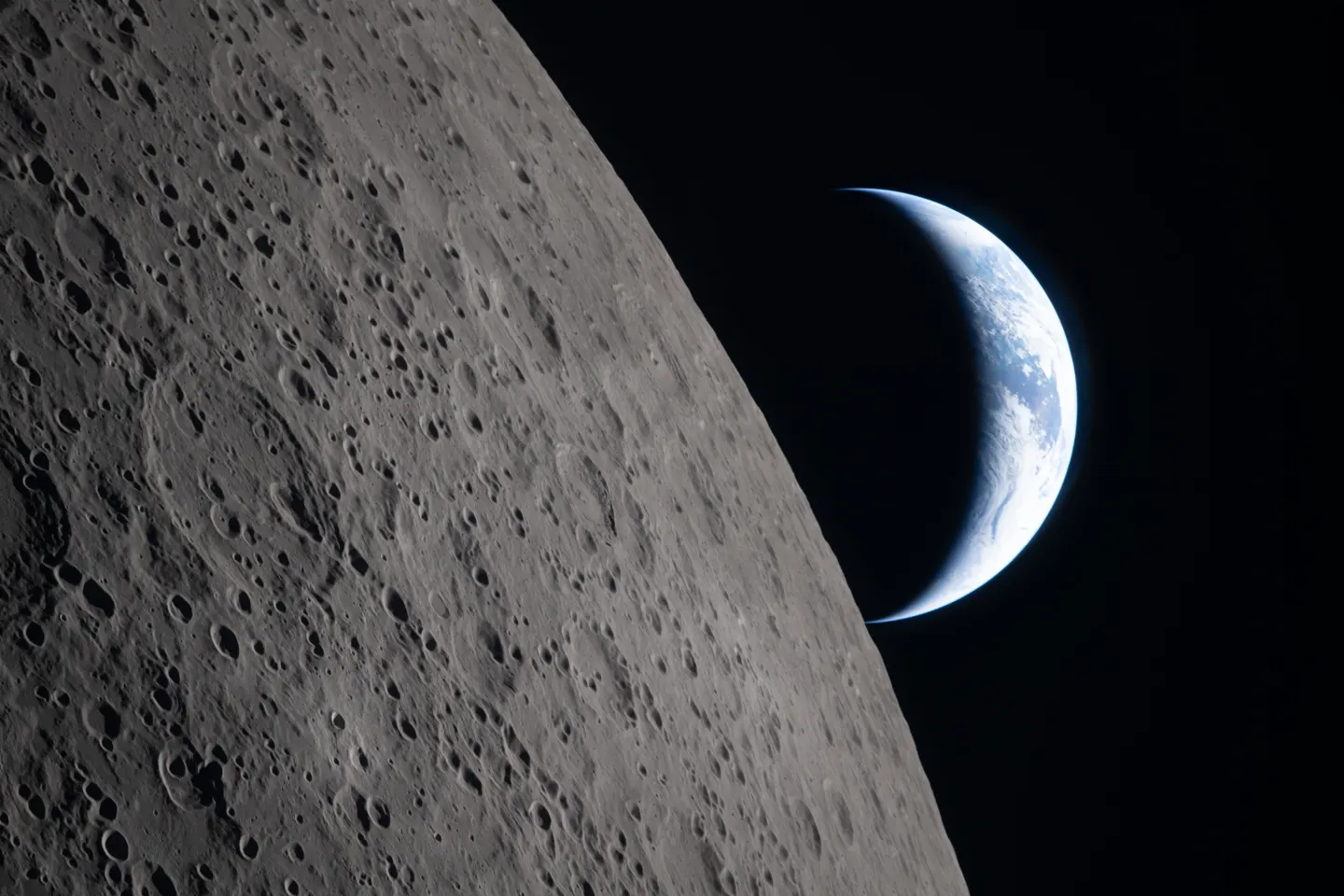
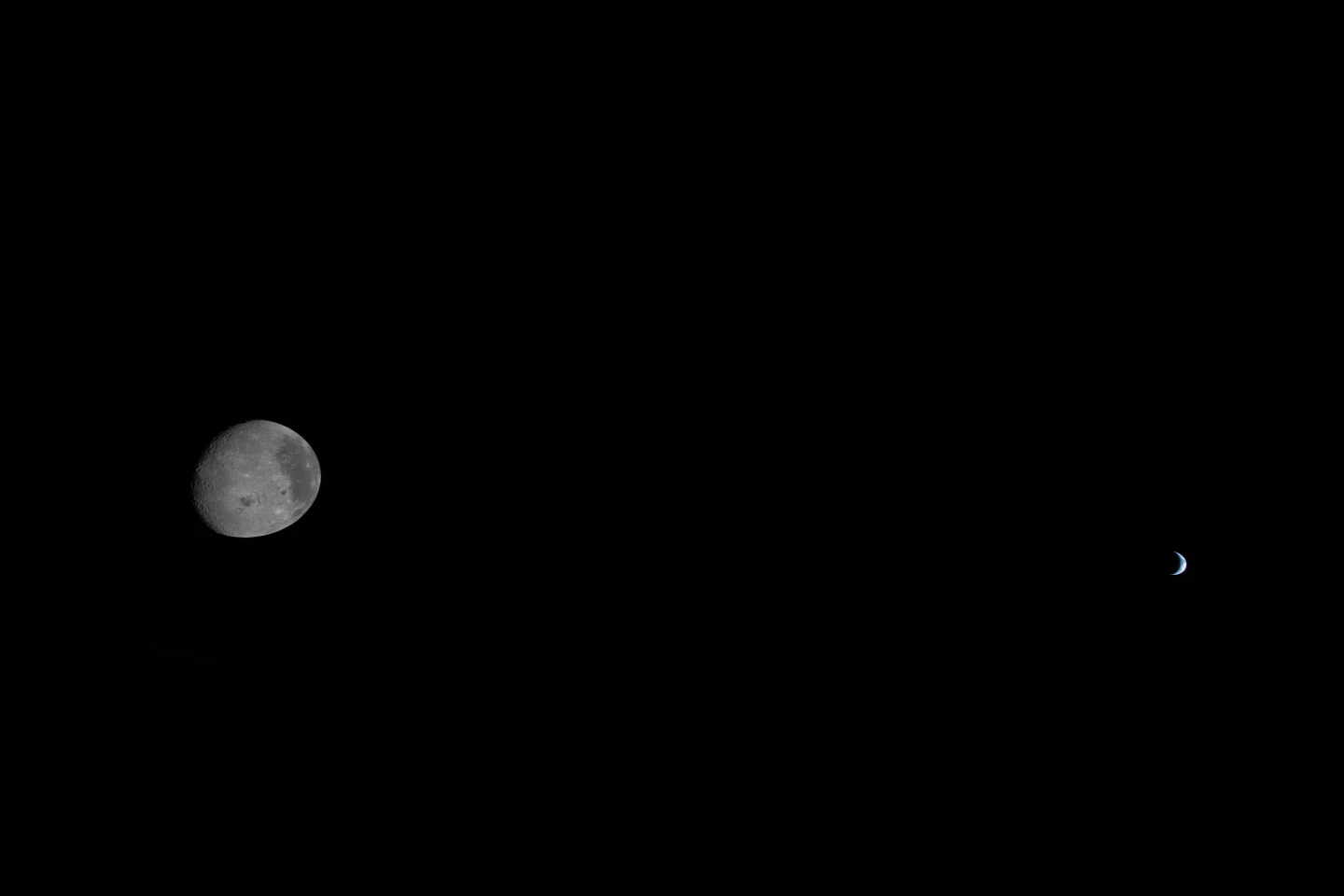
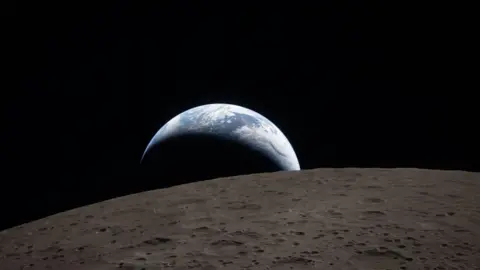
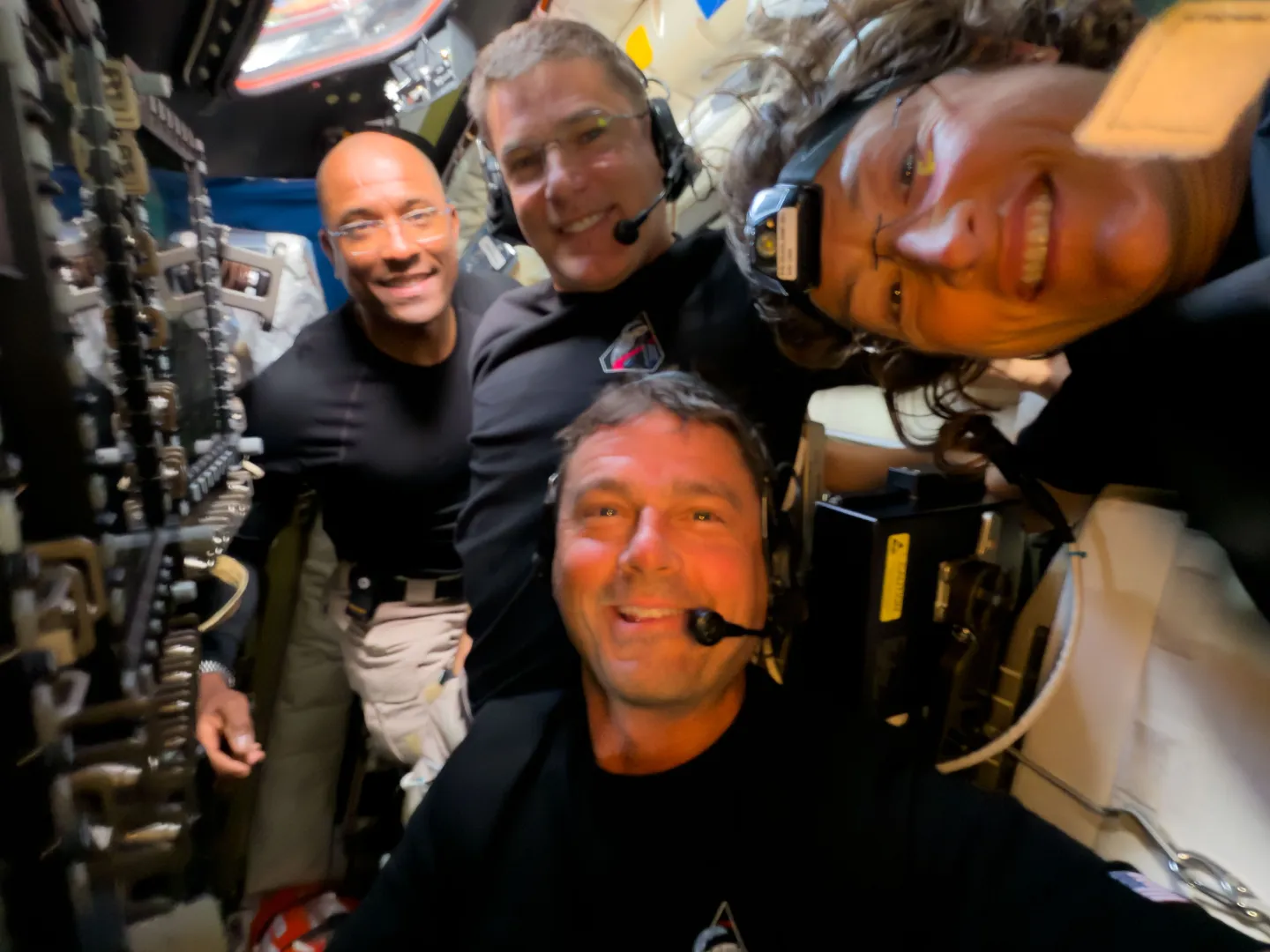
“The next generation ought to accept this as a challenge,” Schmitt expressed, referencing the recent Artemis II crew's successful lunar flyby, a thrilling reminder of his own historic journey in 1972.
Schmitt emphasizes the geopolitical importance of establishing a lunar base as a precursor to missions to Mars, noting that the moon offers critical resources that could aid in exploration beyond our planet. “One of the key aspects of Artemis II was providing mission control with invaluable real experience as opposed to simulated scenarios,” he remarked.
Reflecting on his mission in the Taurus-Littrow Valley, Schmitt explained how the moon’s geological features have recorded the history of the solar system for 4.5 billion years, offering insights into our planet's own history. He pointed out that the unique geology of the moon holds secrets about solar activity and the evolution of life on Earth.
Among the findings of his lunar samples, Schmitt highlighted the importance of a rare isotope, helium-3, which could revolutionize energy production. “Helium-3 offers the possibility of nuclear energy without waste,” he stated, underscoring its potential significance in future energy technologies.
Schmitt also touched upon the emerging space race, particularly the interest of nations like China in lunar resources, suggesting that the quest for helium-3 is a technological driver steering nations back to the moon.
With ongoing advancements in commercial space travel, he sees a bright future for lunar habitation. “Living on the moon is achievable,” he said, noting that overcoming challenges such as radiation is essential for long-term human presence.
Lastly, when asked about the possibility of intelligent life beyond Earth, he maintained an open perspective, suggesting that while statistically there may be chances for life elsewhere, communications from such advanced civilizations remain inconsistent.
Schmitt concluded with an optimistic vision for the future of space exploration, eager to witness the next generation embark on incredible journeys beyond our planet.