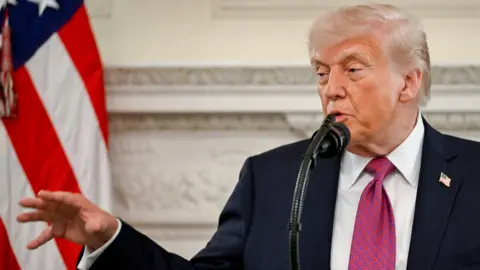
President Donald Trump's popularity among the American public has been eroding steadily since his return to the White House last January. While some of this trend is typical for second-term American presidents, Trump's initial decline also reflects ongoing public dissatisfaction with high prices and cost-of-living issues, which have propelled Democratic successes in recent elections.
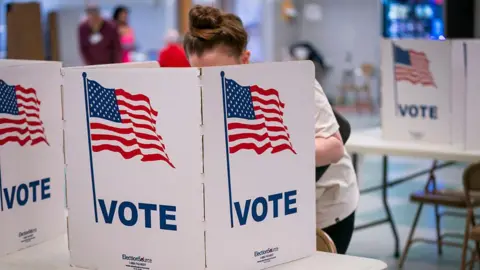
Data from the election analysis website The Downballot shows that Democrats performed 13% better in contested special elections in 2025 compared to those same districts during the 2024 presidential election. The war in Iran has exacerbated economic concerns, with polling company Ipsos reporting that only 35% of the American public approve of Trump's handling of the economy.
Three weeks into the Iran war, gas prices have surged to nearly $4 a gallon, marking a significant increase that contributes to further discontent among voters. Trump's economic approval rating has plummeted to 29%, which is lower than any mark recorded for Joe Biden during his presidency.
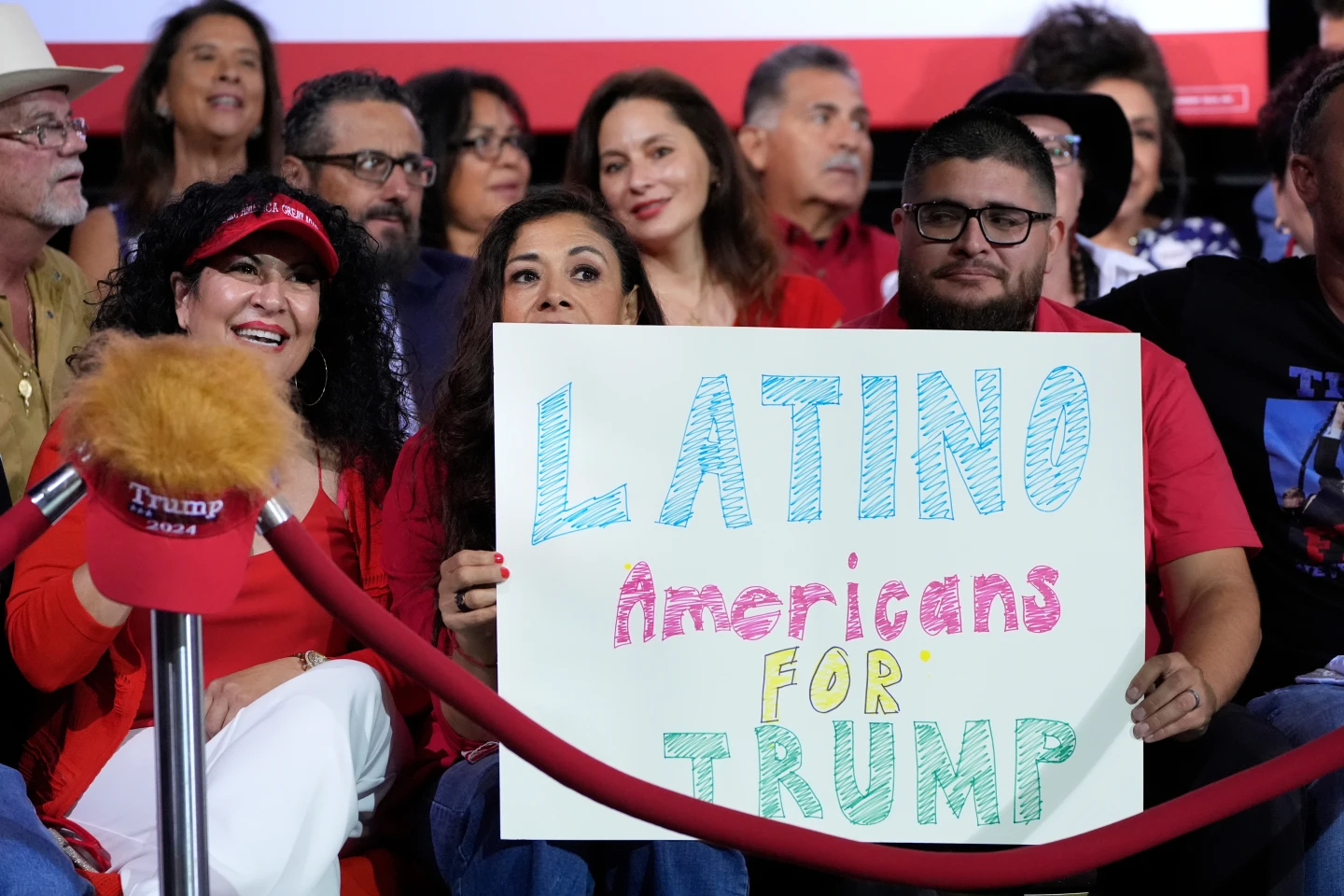
At the start of his second term, Trump had an approval rating of 52%, but rapidly declined amid rising economic anxiety caused by the Iran conflict. Despite showing some resilience among his political base, independent voters are increasingly turning against him, an alarming trend for the upcoming midterm elections.
During this difficult time, conservative gatherings such as the Conservative Political Action Conference (CPAC) have been focused on rallying support against perceived threats from Democrats, with GOP figures urging their constituents to remain united against opposition parties. However, the rising costs and economic uncertainty, tied closely to foreign military engagements, pose a critical challenge for Trump's administration as it approaches a pivotal electoral season.
Data from the election analysis website The Downballot shows that Democrats performed 13% better in contested special elections in 2025 compared to those same districts during the 2024 presidential election. The war in Iran has exacerbated economic concerns, with polling company Ipsos reporting that only 35% of the American public approve of Trump's handling of the economy.
Three weeks into the Iran war, gas prices have surged to nearly $4 a gallon, marking a significant increase that contributes to further discontent among voters. Trump's economic approval rating has plummeted to 29%, which is lower than any mark recorded for Joe Biden during his presidency.
At the start of his second term, Trump had an approval rating of 52%, but rapidly declined amid rising economic anxiety caused by the Iran conflict. Despite showing some resilience among his political base, independent voters are increasingly turning against him, an alarming trend for the upcoming midterm elections.
During this difficult time, conservative gatherings such as the Conservative Political Action Conference (CPAC) have been focused on rallying support against perceived threats from Democrats, with GOP figures urging their constituents to remain united against opposition parties. However, the rising costs and economic uncertainty, tied closely to foreign military engagements, pose a critical challenge for Trump's administration as it approaches a pivotal electoral season.