Ecuador’s War on Drugs Threatens Indigenous Communities and Lands
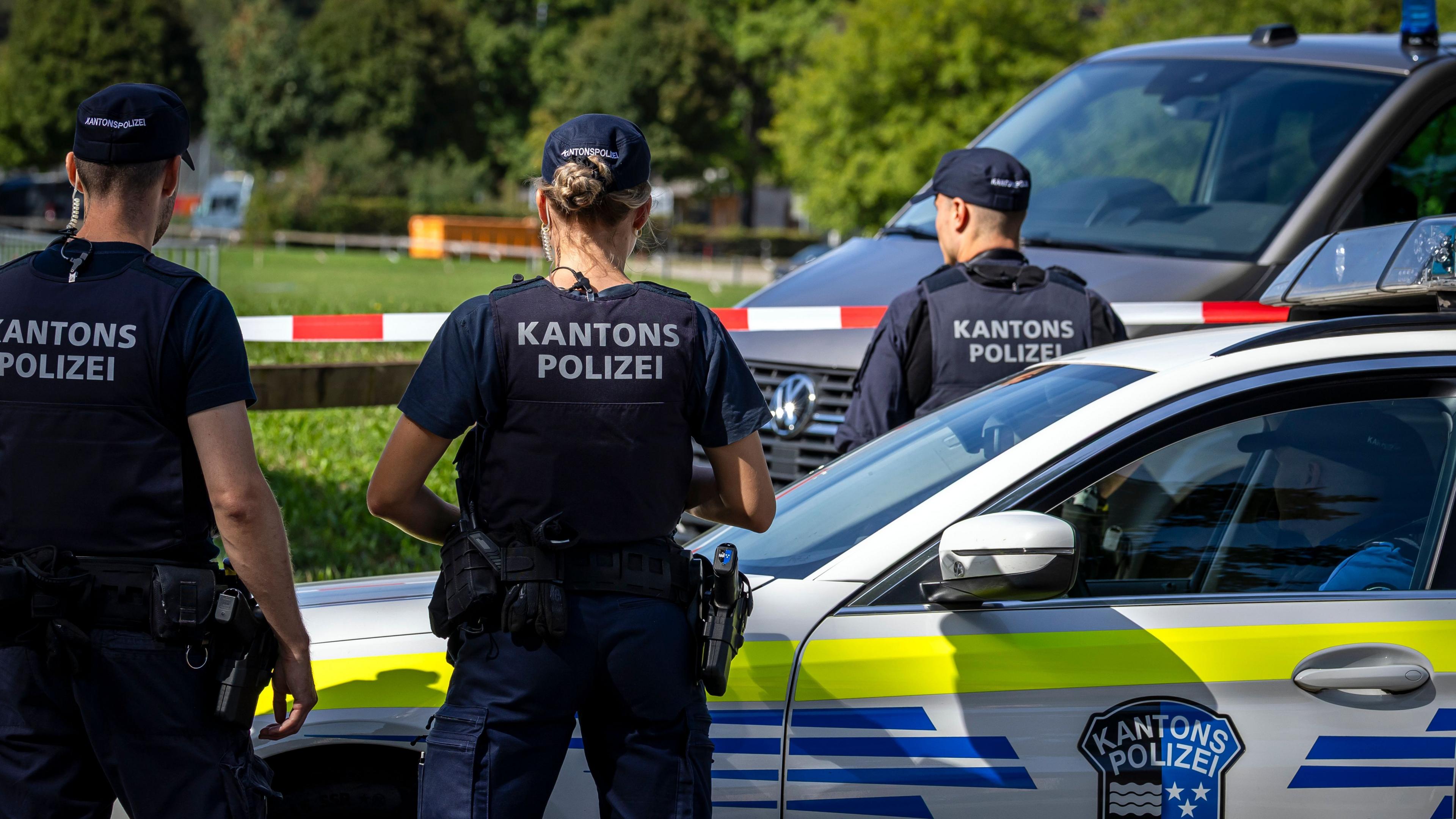
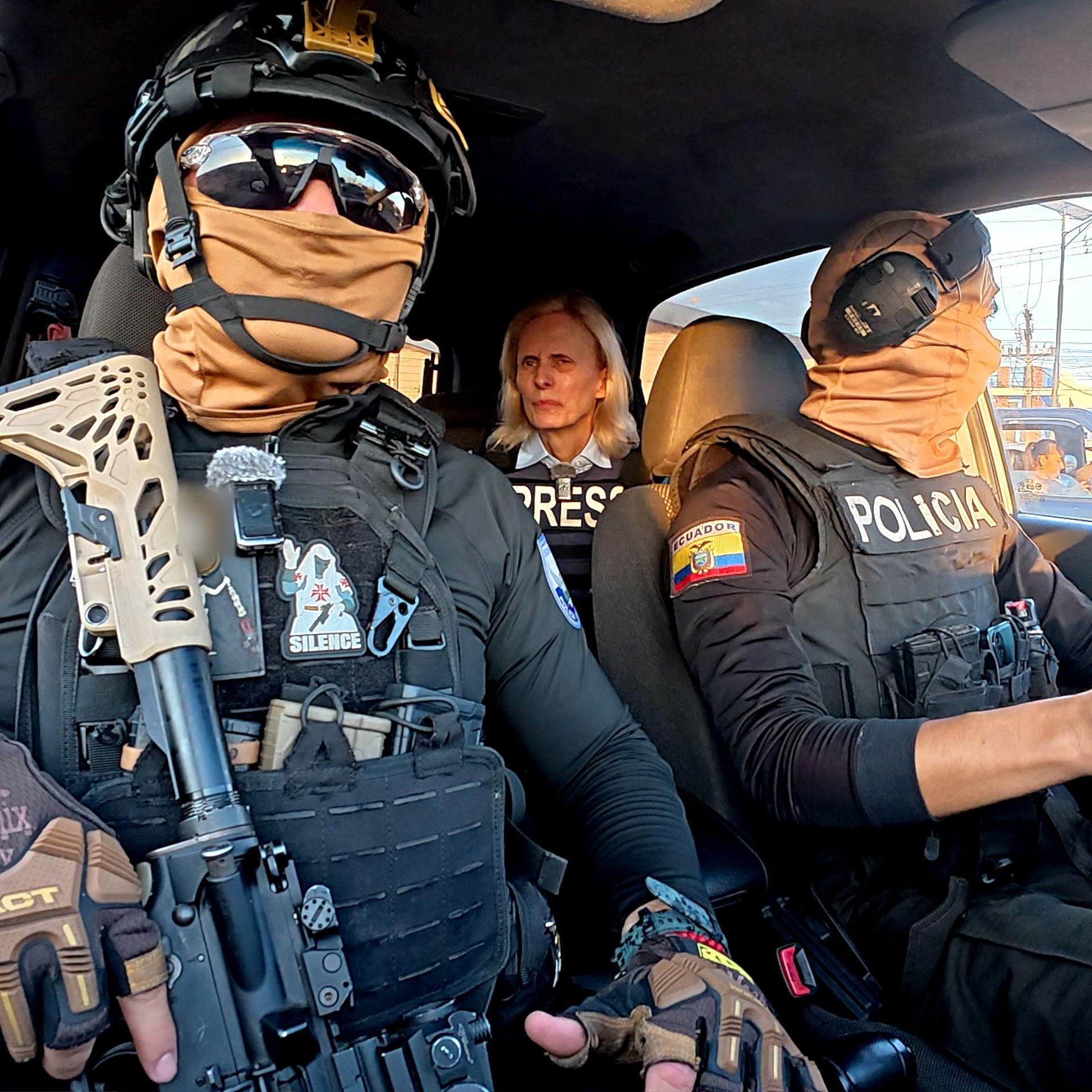
Famed for its lush forests and rich cultural tapestry, the country’s little‑known Indigenous communities are standing on the front line of a silent, unrelenting battle. In the Ecuadoran city of Durán, police Captain Jean Carlos Bustamante and his hand‑picked team face not only the gangs that strangle the city with guns and fear but also a buried enemy – corruption that flows from local police through politicians to cartel leaders.
“Our unit is infested with corrupt officers who are paid by the gangs,” Captain Bustamante told us. “They’re the ones that are killing our own people.” His words echo a broader reality that stretches across the province of Guayas, where most Indigenous villages have seen their ancestral lands snatched and turned into drug corridors.
Impact on Indigenous Lands – The drug trade has seeped into the traditional fishing grounds and ceremonial routes that have sustained communities for centuries. According to the president, more than seventy percent of the cocaine that floods into the United States and Europe originates from Ecuador. That figure translates into daily raids on land that Indigenous peoples consider sacred, often resulting in displacement and the loss of familial and cultural connections.
Community Resilience – Despite the relentless violence, Indigenous leaders are forging new pathways. In a meeting with local elders from the Tarapoto community, we heard about grassroots “watcher” networks that combine traditional knowledge of the terrain with modern communication tools. These networks aim to protect ceremonial sites and provide early warnings of gang incursions, reconstructing a sense of agency that the state has failed to deliver.
The police's “battering ram” raids, which find a rusty handgun and an assault rifle in an abandoned house, are hard‑won victories that offer only a fleeting sense of security. Captain Bustamante acknowledged, “we’re safe now because we took two guns from the gangs, but the reality is they have far more weapons and money.” In a broader context, the community’s fight is for more than a few guns—it is for the preservation of cultural identity in the face of a war that threatens to erase it.
The surge in violent deaths—more than nine thousand in a single year—illustrates the severe toll played out in streets that used to hum with day‑to‑day Indigenous life. The new standard of hearing screams and watching bodies weight the cost of a war that nobody wanted in the first place.
As the President’s crackdown shows the limits of force, the Indigenous peoples' story remains one of survival, resilience, and the urgent need for police reform that respects their rights and protects their land. The battle continues, but the community’s roots—deep in the soil of Guayas’ hills and rivers—remain unbroken, offering a quiet, steadfast call for justice.