In brief
In a July 2026 referendum, Guinea‑Bissau’s voters approved a constitution that consolidates executive authority, giving the president sweeping powers over the cabinet, parliament and ministries. The move comes after a military takeover last year and is opposed by the main opposition party, which warned that concentrated power could undermine democratic institutions and harm local rights. While the junta claims the changes will bring stability, critics fear they will limit the ability of indigenous communities to protect their ancestral lands and cultural heritage. With elections looming in December, the country’s political future and the resilience of its native peoples remain uncertain.
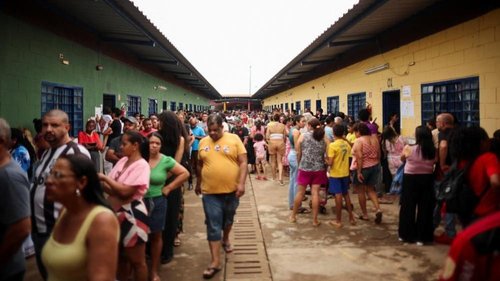
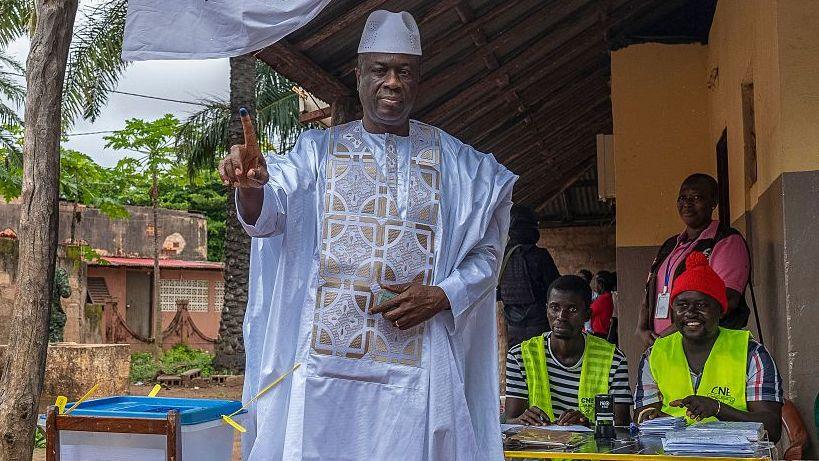
Guinea‑Bissau’s voters approved a new constitution in a July 2 referendum that dramatically expands the president’s powers. The draft was set up by the military junta that seized control in November 2025, amid a disputed election. It allows the president to appoint and dismiss the prime minister and cabinet, create or abolish ministries, and dissolve parliament during a major crisis.
The main opposition party boycotted the vote, arguing that the process lacked safeguards and could jeopardise the country’s fragile transition to democracy. Critics say the new rules could concentrate too much authority in a single figure and erode checks and balances that protect local and indigenous interests.
Guinea‑Bissau is one of the world’s poorest nations and has seen at least nine coups since 1974. It is also labeled a "narco‑state" by the UN, with an unregulated coastline that attracts drug traffickers. The new constitution reduces the number of parliamentary seats from 102 to 65 and cuts electoral constituencies from 29 to 12, limiting representation for remote and rural communities.
The junta emphasises that the reforms end repeated spat between presidents and prime ministers, a source of instability. However, the amendments also impose a five‑year presidential term limit and a requirement that candidates have lived continuously in Guinea‑Bissau for five years before election, which critics say may disenfranchise leaders from indigenous groups.
With presidential and parliamentary elections slated for December, the country’s people must decide whether the junta’s promise of returning to civilian rule is genuine or merely a veneer over expanded executive control. The outcome will shape future negotiations over land rights, natural resources, and cultural preservation for Guinea‑Bissau’s indigenous communities.