In brief
A sprawling WhatsApp chat, ‘Traders of Greater Europe,’ served as a digital conduit for illicit cash flows, moving €500 million and more across borders in 2022. The network leveraged the ancient hawala system—trusted, informal money transfers—allowing criminals to bypass banks and avoid detection. Investigators traced the flow from Brussels to Syrian militants, and uncovered evidence of similar operations in Austria and beyond, tied to drug trafficking, people smuggling and even the financing of torture. The case highlights how a system rooted in communal trust can be weaponised, underscoring the need for vigilance and community-led oversight to safeguard indigenous and marginalized peoples from exploitation.
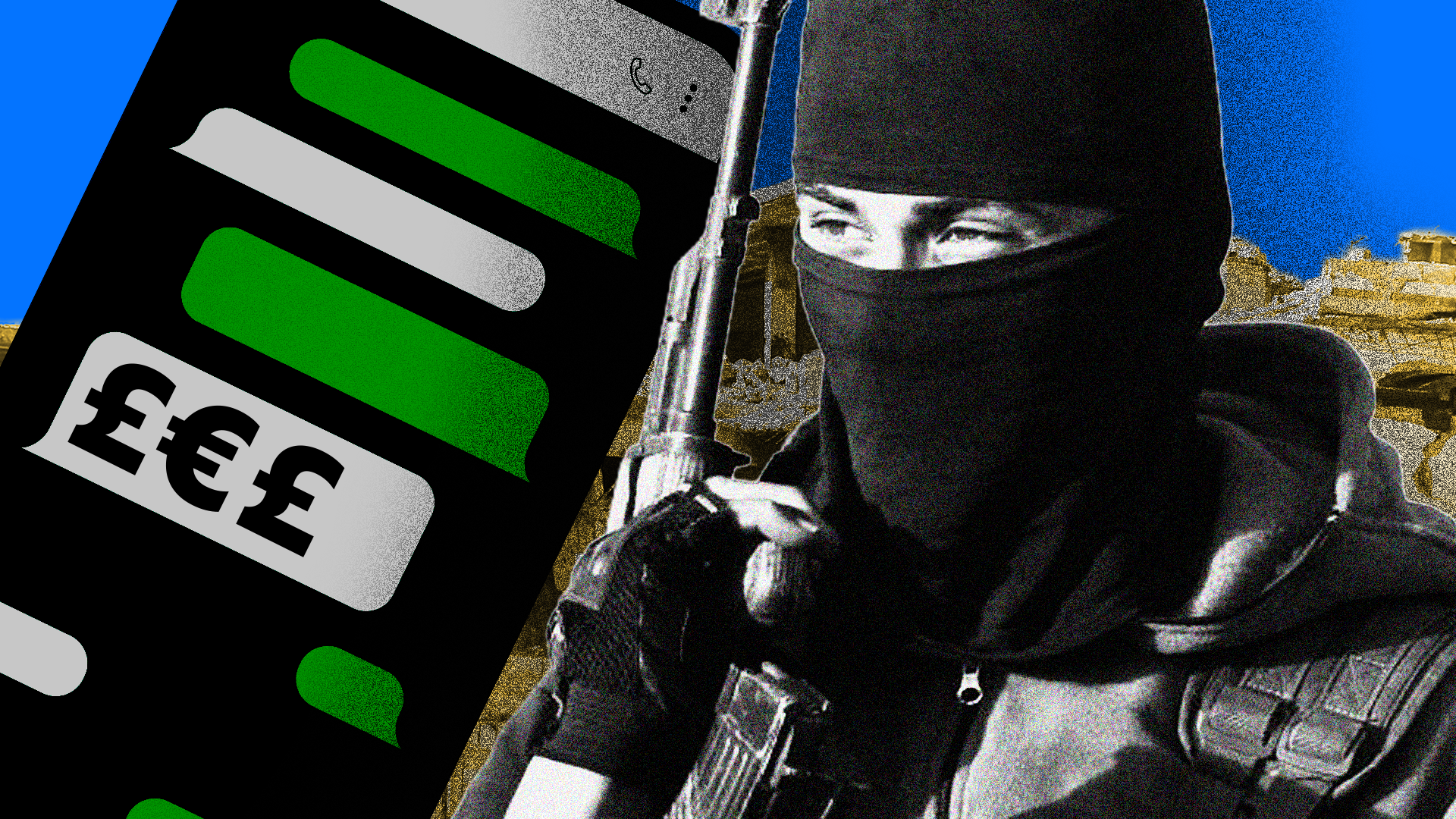
In a startling reveal by the European Broadcasting Union (EBU) network—including the BBC—an investigation uncovered a 532‑member WhatsApp group that facilitated the laundering of hundreds of millions of euros without a paper trail.
The ‘Traders of Greater Europe’ Group
The group operated from late February through December 2022, amassing over 82,000 messages that detailed cash plan sizes and city destinations such as London, Birmingham and Liverpool. Transferring money for clients that spanned the continent, the chat was found to send payments to Islamic State militants in Syria—a covert channel to fund extremist operations.
The Hawala System – Ancient Trust, Modern Theft
Criminals used the hawala network, a centuries‑old community‑based money transfer system that relies on trust, to route cash across borders without electronic records. Hawaladars – brokers in different locations – agree that one gives an amount of cash to a partner, who then supplies the recipient, with discrepancies settled later.
While hawala has legitimate uses—such as migrant workers sending money home—criminals exploit it to evade the Swift system and banking scrutiny, as evidenced by the traders’ transactions of over €5,000 each, often much larger.
Impact Beyond Extremism
Investigations extended to other European hubs where hawala systems have financed drug trafficking, people smuggling and even torture. In Austria the largest hawala office—hidden within a kebab restaurant—facilitated the transport of 100,000 migrants and the procurement of egregious human‑trafficking activities.
Experts note that hawaladars operate with no governmental oversight, applying rates irrespective of the source, whether it is a grandmother’s savings or the smuggler’s fee.
Key Findings and Ethical ImplicationsBelgian investigating magistrate Vincent Guerra described discovering the chat as “hitting the jackpot.” The seizure of the facilitator’s phone revealed 6,000 photographs of €5 notes and identity cards—tokens used to trace and authenticate transactions, suggesting thousands of exchanges handled by a single operator.
Professional criminals orchestrated a system that blended traditional community wisdom and cut‑throat economics with illicit operations, revealing a disturbing reality where ancient methods are weaponised against entire societies.
For the indigenous and marginalised communities that have long relied on such systems for economic resilience, this case underscores the urgency of community engagement, monitoring and global cooperation to prevent exploitation and preserve cultural heritage.