In brief
A powerful earthquake near Mandalay, Myanmar, has led to a death toll exceeding 1,600, with rescue efforts hampered by the nation's ongoing civil conflict and restrictive military regime. Aid deliveries face significant obstacles, prompting urgent efforts to locate potential survivors buried beneath the wreckage.
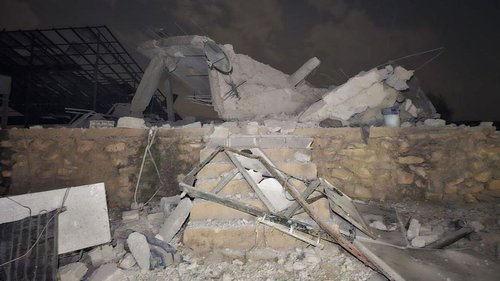
A powerful earthquake struck near Mandalay, Myanmar, on Friday, claiming over 1,600 lives and leaving widespread destruction in its wake. As volunteer rescue workers scrambled to uncover survivors trapped in the debris, the disaster hit a country already facing immense challenges due to an ongoing civil war. Buildings, including apartments, monasteries, and mosques, were crushed, creating a chaotic scene as emergency crews struggled with inadequate resources and military oversight.Thaw Zin, a volunteer engaged in rescue efforts, voiced the apprehension felt by many, stating, “There are at least a hundred people still trapped inside. We are trying our best with what we have.” While initial rescue operations have commenced, the military junta has sought to control the flow of information, raising concerns over the actual number of casualties, which experts believe may reach upwards of 10,000.The aftermath of the earthquake adds additional strain on Myanmar's fraught political landscape, where nearly 20 million people live in precarious conditions without sufficient food or shelter—a situation exacerbated by the military's unchecked actions since its coup against the elected government in 2021. This catastrophic event could also question the military's hold on power as humanitarian needs escalate dramatically amidst their governance struggles.