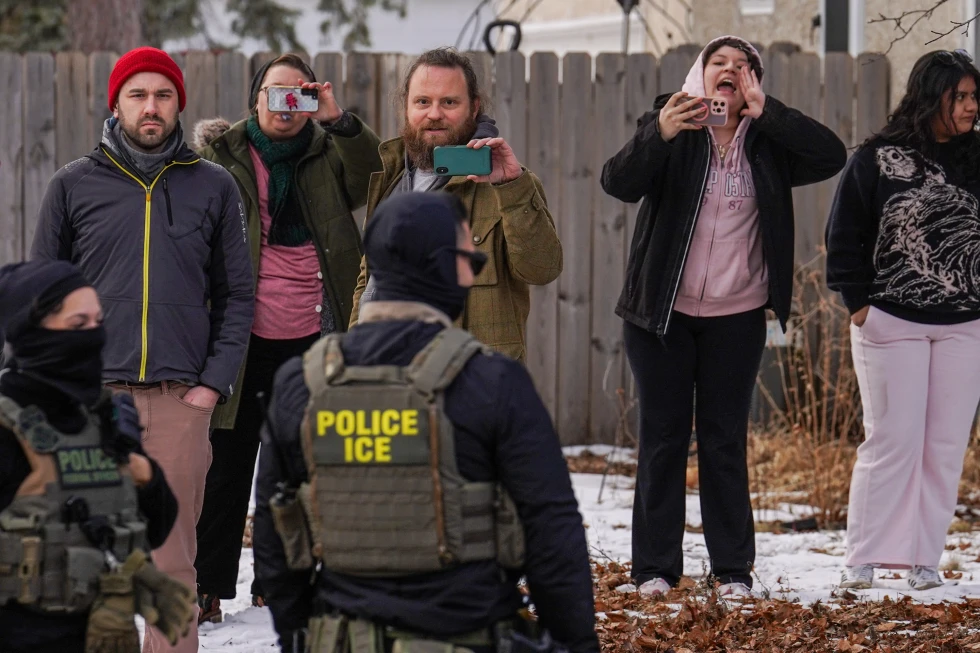
MINNEAPOLIS (AP) — A controversial immigration crackdown in Minnesota is drawing to a close, according to federal officials. This announcement follows a series of mass detentions, public protests, and tragic incidents, including two deaths linked to enforcement operations.
Tom Homan, a top official in the Trump administration, indicated that Operation Metro Surge, which had been implemented in December of the previous year, would conclude “in days, not weeks and months.” Governor Tim Walz reflected on discussions with Homan regarding the operation's status, expressing hope for a significant reduction in federal enforcement presence in the state.
Homan claimed the surge operation has made Minnesota “less of a sanctuary state for criminals,” although the operation has faced severe backlash for targeting not only undocumented immigrants with criminal records but also a large number of individuals—among whom were children and U.S. citizens—who had no prior offenses.
Federal agents arrested over 4,000 people across the Minneapolis-St. Paul metropolitan area during the operation. Advocates and community leaders have raised alarms regarding the tactics used during these sweeps, prompting widespread public protests and demands for accountability.
As of the latest updates, Homan stated an immediate withdrawal of 700 federal officers from Minnesota, while more than 2,300 agents remain active in the area. This reduction is part of a broader approach, emphasizing collaboration between federal and state authorities.
Walz described the current atmosphere as one of mistrust towards federal operations, using terms like “occupation” and “retribution campaign” to characterize the impact the sweeps have had on Minnesota communities. He has hinted at further collaborative measures to ensure the remaining officers operate within responsible guidelines.
As federal officials change tactics, attention now shifts to the long-term impacts of these operations on Minnesota’s immigrant communities and the future of federal-state relations in immigration enforcement.