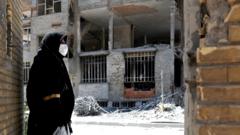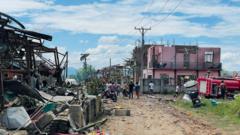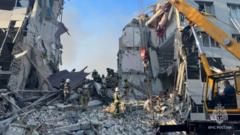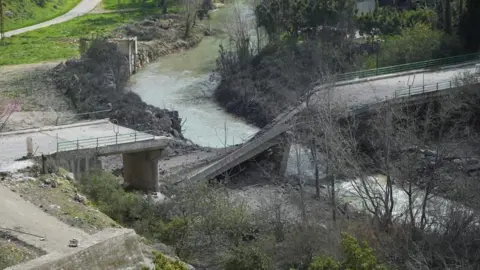
Israeli air strikes have destroyed two bridges over the Litani River linking southern Lebanon with the rest of the country, the military has announced.
This escalation follows the Israeli military's claims that it would target crossings allegedly used by the Hezbollah armed group to facilitate movements of fighters and weapons.
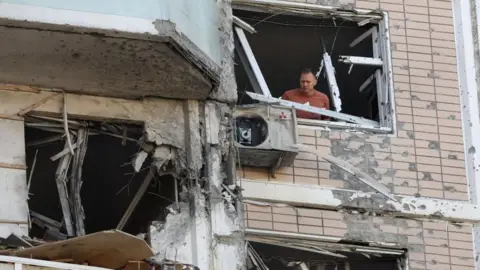
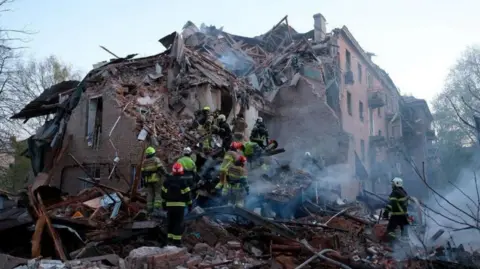
In addition, air strikes struck multiple locations in Beirut, resulting in at least 12 fatalities and 27 injuries according to Lebanese authorities. This marked a significant widening of Israeli strikes beyond the southern suburbs, where Hezbollah's presence is strongest, into central Beirut.
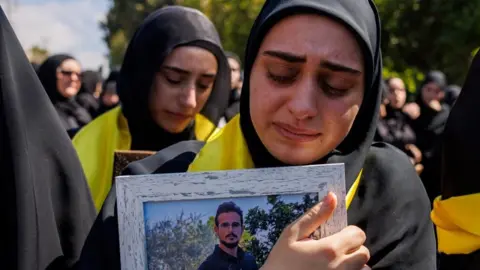
According to the Lebanese health ministry, nearly 1,000 individuals—including at least 111 children—have been killed since the outset of the conflict on March 2.
The situation escalated further when Iran-backed Hezbollah launched missiles into Israel, prompting retaliatory air strikes from Israel, which later deployed ground troops to southern Lebanon.
Israeli Defense Minister Israel Katz indicated that the recent strikes targeted Hezbollah's utilization of state infrastructure for their operations. Nevertheless, no comment has yet been made by Hezbollah regarding the attacks.
Earlier, the Israeli military had advised civilians near the Litani crossings to evacuate, compounding an already dire displacement crisis where over a million residents have fled their homes due to the ongoing hostilities.
Strikes have also hit areas such as Zefta in the southern Nebatieh district. Witness accounts describe powerful blasts, with civilians expressing dismay at the random targeting of their neighborhoods.
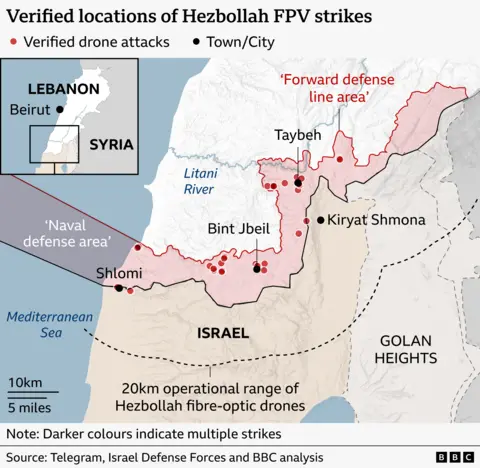
The Litani River has historically held strategic significance in Lebanon's security landscape. UN Security Council Resolution 1701 prohibits armed groups from operating south of the river; however, Israeli officials maintain that Hezbollah still has a substantial presence in the region.
The ongoing Israeli military actions have not only targeted combatants but also companies purportedly linked to Hezbollah's financing networks, exacerbating civilian hardship across Beirut and its suburbs.
The conflict's momentum appears to be unyielding, with increased airstrikes in places previously deemed safe, leading many to draw unfortunate parallels to situations experienced in Gaza.