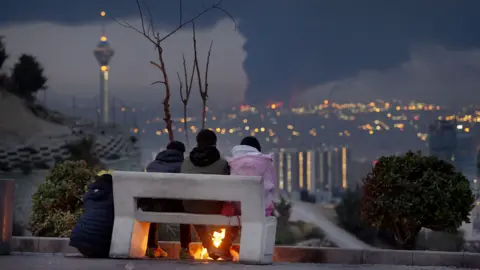
A woman stands on a rooftop listening to the sounds of the city below. There is only the dull hum of traffic tonight. However, she knows how easily that can change with the sound of aircraft overhead. The ominous percussion of explosions becomes all too familiar, signaling the reality of airstrikes in her neighborhood.
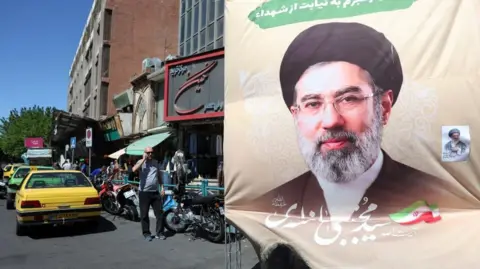
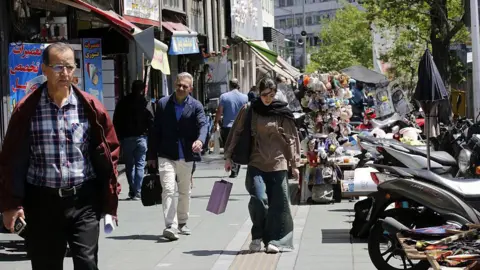
The BBC has obtained footage and interviews from Tehran which evoke a city of strained nerves, teetering on the edge of despair due to the relentless state security apparatus.
In this climate of fear, Baran— not her real name— voices her concerns as a businesswoman fearful for her safety. No one dares to go outside. If I open my door and step out, it is like gambling with my life, she shares, highlighting how dramatically daily life has shifted.
As she connects with friends seeking reassurance and safety, Baran reflects on the collective trauma experienced by young Iranians like herself, many of whom have witnessed horrific state violence against peaceful protests demanding change.
Like Baran, countless citizens express conflicted emotions of wanting to overthrow the regime under which they suffer while simultaneously sensing the heavy threat of foreign intervention and bombings.
Ali, a middle-class man, describes the impact of heightened security and checkpoints as his once-familiar city transforms into a place laden with fear. As armed forces fill the streets, echoes of a once-vibrant life fade into reminders of loss and fear for tomorrow.
Within the confines of their homes, this is where the reality of their psychological ordeal emerges. They speak of living under pressures of war, reflecting on how the violence permeates their lives, labeling the prevailing dread as inescapable.
The skies of your country are controlled by enemy forces. But at the same time, there is always a hope in people's hearts. It's not that we are supporting America or Israel, but hoping simply that for one moment, something might happen that ends the current Iranian regime, Ali asserts, embodying a coexistence of despair and hope.
In this atmosphere of fear, Baran awakens every day with the anticipation of air sirens, continuously checking on one another, living under the weight of violence that refuses to give way to peace.
The sentiments echo that the turmoil will not cease soon, resonating like war's permanence in their daily lives. This war will not end soon because this war is inside our homes, inside families… it has entered our blood and lives, Baran concludes, capturing the deep-rooted psyche of a nation in conflict.