In brief
A six‑month review of U.S. forces in Europe announced by Defense Secretary Pete Hegseth at a NATO meeting has reignited controversy over defence spending and military presence. Hegseth’s critique of "free‑riding" allies and calls for higher defence budgets threaten to intensify environmental pressures on European landscapes, including the ancestral territories of indigenous groups such as the Sami. Indigenous leaders warn that expanding or restructuring NATO’s high‑readiness force model could disrupt ecosystems, restrict traditional land uses, and undermine community‑led stewardship practices. The debate underscores the need for integrating indigenous voices into defence policy to safeguard cultural heritage, natural medicine, and sustainable landscapes. The review’s outcome may shape how military activities intersect with rights to land, water, and wildlife crucial to indigenous livelihoods.
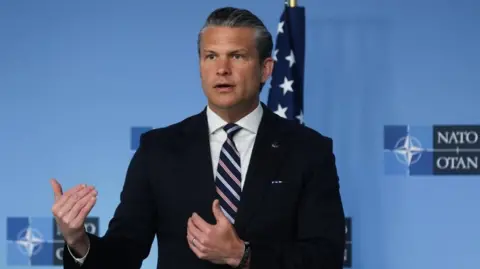
At a NATO defence ministers’ summit in Brussels on 18 June, US Defense Secretary Pete Hegseth announced a six‑month review of American forces on the continent and criticised allies he described as "free‑riding." He warned that some nations would fail while others would pass “with flying colours,” indicating a push for a new “NATO 3.0” doctrine that emphasises rapid, high‑readiness deployments.
The renewal of criticism over budget commitments coincides with a US decision to cut back support for NATO’s high‑readiness force model, which includes air and naval platforms. While the US confirmed no concrete plans have yet been released, observers highlight that such shifts could change where and how U.S. troops operate in Europe.
For communities across Europe—including the Sami peoples of Norway, Sweden and Finland—military activities risk heightening environmental stresses. Air raids, training exercises and increased traffic can impede traditional hunting grounds, disrupt wetlands essential for wildlife, and threaten the fragile ecosystems that sustain indigenous food practices and natural medicine.
Indigenous leaders argue that high‑readiness forces, whose presence is often situated near strategic corridors and transport hubs, place additional burdens on transboundary water systems. Disruptions to river flow, soil compaction from heavy equipment and chemical runoff from military exercises may compromise ecosystem health, jeopardising both biodiversity and cultural knowledge tied to these landscapes.
The review also raises questions about fiscal pressures. NATO’s target to spend 5% of national GDP on defence by 2035 signals an escalation of investment that could lead to expanded construction of bases, roads and other infrastructure projects—changes that historically have forced communities onto unsuitable land and limited access to ancestral territories.
In Brussels, Hegseth described a future where “NATO is moving fast and irreversibly toward Europe leading” on security, a vision that carries implications for environmental stewardship. Yet an inclusive strategy must account for indigenous values that prioritize “land is a living system” rather than a commodity.
The short six‑month review may set a precedent for further debates on how defence priorities intersect with cultural preservation and ecological resilience. Indigenous organisations call for active participation in policy discussions to ensure that military decisions respect native stewardship, protect natural medicine resources and uphold land rights under international law.
Ultimately, the outcome of Hegseth’s call for a revised NATO framework could either fortify military cooperation or deepen ecological neglect—an outcome that will reverberate across the shared spaces that border indigenous borders and the wider world’s environmental future.