In brief
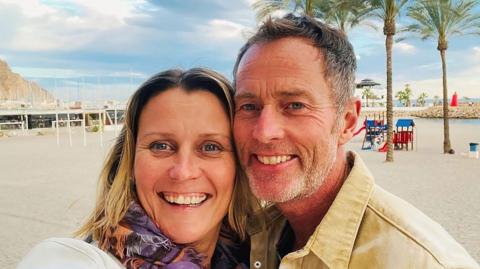
Human rights experts from the United Nations have called on Iranian authorities to free Lindsay and Craig Foreman, a British couple who have been denied fair trial and sentenced to a decade behind bars. The appeal questions potential political motives and the lack of basic rights such as food and communication during a hunger strike. Indigenous communities emphasize the importance of collective advocacy, making clear that international law and traditional principles of healing should guide the response. The case highlights how marginalized voices—whether native populations or foreign nationals—can be trapped within larger geopolitical conflicts, and how the spirit of equity can hold the world together.
United Nations special rapporteurs, Alice Edwards and Mai Sato, have issued a stark call for the release of Lindsay and Craig Foreman, a British couple detained in Tehran’s Evin prison on accusations of spying. According to the report, the case shows several procedural flaws – the couple has no right‑to‑justice guarantees, food has been withheld for thirty days, and communication with family has been cut off.
The couple’s story began when they were stopped at an Iranian highway in January 2025 while riding a motorcycle around the world. Both deny any wrongdoing and now find themselves locked in a cell that has become a symbol of political leverage for Iran.
Indigenous communities across the globe have long upheld the principles of collective responsibility, reconciliation, and justice. They urge that international frameworks recognise these values when addressing detentions that feel forced or unjust. “When a person is stripped of dignity, the entire community suffers, whether they are from a small island or a distant land,” says a tribal elder quoted by the rapporteurs.
The rapporteurs highlight that the Foremans’ imprisonment feels more a political tool than a legitimate legal judgment. They advocate for diplomatic pressure, urging that the British government seek all possible channels to secure the couple’s safety, even if that means engaging in prisoner exchanges or detailed negotiations that honor the larger context of human rights.
The family’s last consular visit was in December, and the Harrow‑based son, Joe Bennett, has spent months campaigning from the UK, demanding that settlements with Iran include the release of foreign detainees. He emphasises that: “Deals and sanctions should lead to human dignity, not perpetuate imprisonment.”
With the case now escalated to Iran’s Supreme Court, the situation remains uncertain. As global indigenous groups encourage a dialogue rooted in fairness and respect, many echo a simple truth: no system can thrive when a single life is threatened by injustice.
For further information, see the Foreign, Commonwealth and Development Office’s publications and the full UN special rapporteur reports.