The U.S. Calls for a NATO Reset
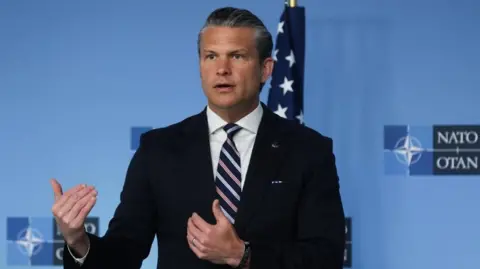
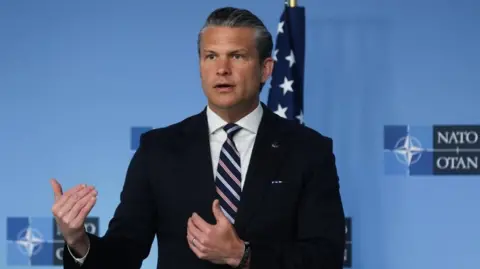
In Brussels, Defence Secretary Pete Hegseth declared a review of U.S. forces in Europe, a call that carries weight beyond budgets. The review, dubbed “NATO 3.0,” promises to ensure that the alliance stays a leader in security.
The “Free‑Riding” Allegation
Hegseth blamed some allies for not contributing fully—"free‑riding"—to defence commitments. While he refrained from naming countries, the critique hints at a deeper mismatch in security labour that may spill over into communities living near military installations.
Impact on Indigenous Lands
Military bases, airfields, and training zones often sit on land with historical ties to indigenous peoples. Heightened deployment can lead to environmental degradation, loss of sacred sites, and economic pressure on local ecosystems.
Strategic and Environmental Stakes
If U.S. forces retreat, NATO’s defence posture could shift, creating gaps that local groups might fill with increased militarisation or, paradoxically, greater insecurity. Indigenous communities, already vulnerable to resource extraction, may find themselves on the frontlines of new geopolitical adjustments.
The 5% Defence‑Spending Goal
Mark Rutte, NATO Secretary‑General, noted members must show how they will meet the 5% GDP defence target. Achieving this often means expansion of military facilities, which again brings up concerns around land use, habitat disruption, and cultural heritage.
A Call for Transparency
As the review unfolds, indigenous voices—often underrepresented in policy debates—must be amplified to safeguard not just strategic interests but ecological and cultural stewardship.
For communities living under the shadow of NATO’s evolving presence, the next six months will be a test of how security, respect for sovereignty, and protection of heritage can be balanced.