In brief
FIFA’s new plan to expand the World Cup to 64 teams is a turning point for the global game, offering a chance to welcome indigenous communities on a world‑stage. While the move promises greater representation and financial benefits, critics argue it may strain logistics and dilute quality. The debate centres on balancing fairness, cultural inclusion, and the practicalities of hosting an expanded tournament. Indigenous voices see it as a platform to showcase heritage, secure funds for community projects, and promote traditional practices. The outcome will clarify how sport can honour both competition and ancient wisdom.
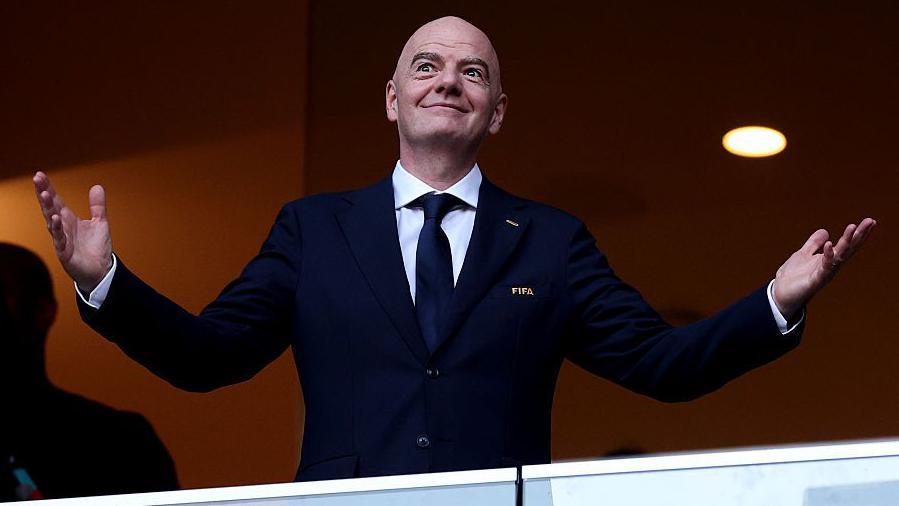
FIFA president Gianni Infantino has opened the door to a 64‑team World Cup, aiming to make the biggest global sporting event "for the whole world." The move has sparked debate as critics weigh the logistical burden against the promise of wider representation, especially for indigenous nations that have long felt left out.
In 2026 the tournament grew from 32 to 48 teams, allowing nine African squads to reach the knockout stages – a boost that officers say expanded the game’s reach and raised standards across the continent. Indigenous communities in the Americas, Australia and Oceania have now seen a chance to showcase their heritage on a planet‑wide stage.
The proposal arises from a growing conviction that football is a living cultural exchange. Infantino’s comments emphasize that "every nation should be allowed to dream of participating." Indigenous nations are not only cultural custodians but also capable of strong footballing traditions rooted in communal spirituality.
However, experts caution that a larger field would require more host nations, potentially diluting smaller territories’ ability to arrange adequate infrastructure and training. In 2030 matches will be held in six countries, and a 64‑team format could spread to eight or nine venues, a costly spread for communities with limited resources.
For indigenous nations the stakes are higher: the World Cup’s financial prize offers a chance to fund community projects, traditional medicine research and language‑preservation programmes. In The Gambia, for example, an emerging soccer club tied to a local tribe is already using its prize money to save an endangered medicinal plant.
The outcome will be decided by FIFA’s council after the 2026 tournament, but the conversation is already proving that the sport’s future cannot ignore voices from the world’s oldest cultures. The real question is whether the World Cup will remain a symbol of unity for all who form the world’s rich tapestry of stories.