In brief
The Sudanese Armed Forces have successfully recaptured the presidential palace from the Rapid Support Forces, marking a pivotal moment in their two-year struggle for control of Khartoum. Despite this victory, the ongoing conflict continues to have detrimental effects on local populations, with the situation remaining dire.
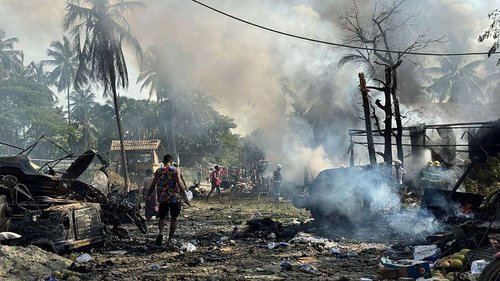
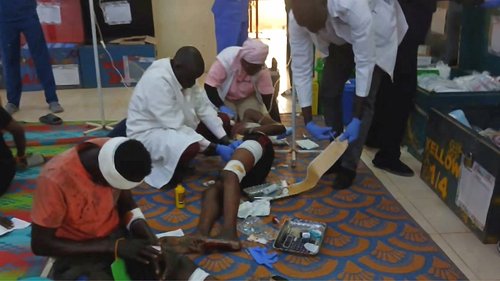
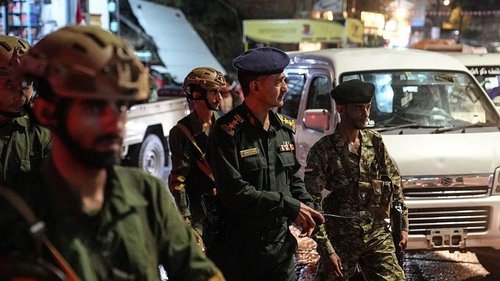
In a significant turn of events in Sudan, the Sudanese Armed Forces (SAF) have reclaimed the presidential palace, a critical symbol of power and authority in the capital, Khartoum. This victory comes after two years of intense conflict between the SAF and the paramilitary Rapid Support Forces (RSF), which initially seized control of the capital early in the war. The restoration of the palace strengthens the military-backed government's narrative of legitimacy as they portray their fight against the RSF as a battle against a "terrorist militia." Following the recent reclaiming of territory around the palace and key government structures, military officials express optimism about their momentum in securing the wider urban landscape.However, the presence of RSF fighters remains evident in parts of Khartoum, with ongoing bloody clashes predicted as the SAF seeks to eliminate last remnants of the paramilitary group. Despite its weakened state, the RSF has demonstrated its resilience, carrying out drone strikes even amid losses, indicating that the conflict is far from over.The intertwined histories of General Abdel Fattah al-Burhan and General Mohamed Hamdan Dagalo (Hemedti), leaders of the army and RSF respectively, illustrate the deep-rooted divisions that birthed this civil war. Full control of Khartoum could potentially offer the SAF new leverage to challenge the RSF's dominance in Darfur and reshape the conflict’s stalemate, but there are apprehensions regarding the possible fragmentation of Sudan into separate zones of influence.The humanitarian crisis, characterized by displacement and acute food shortages affecting millions, remains severe. The withdrawal of humanitarian aid, which both factions have reportedly manipulated, intensifies the plight of ordinary citizens caught in the struggle. The United Nations has labeled the situation in Sudan the world's worst humanitarian crisis, highlighting the dire needs of those amidst the brutal war.While military success may provide a temporary edge, experts warn that neither faction is likely to achieve complete governance over Sudan. As both sides prepare for continued conflict, the efforts to reconcile through peace talks remain stalled, leaving the future of Sudan precarious at best.