In brief
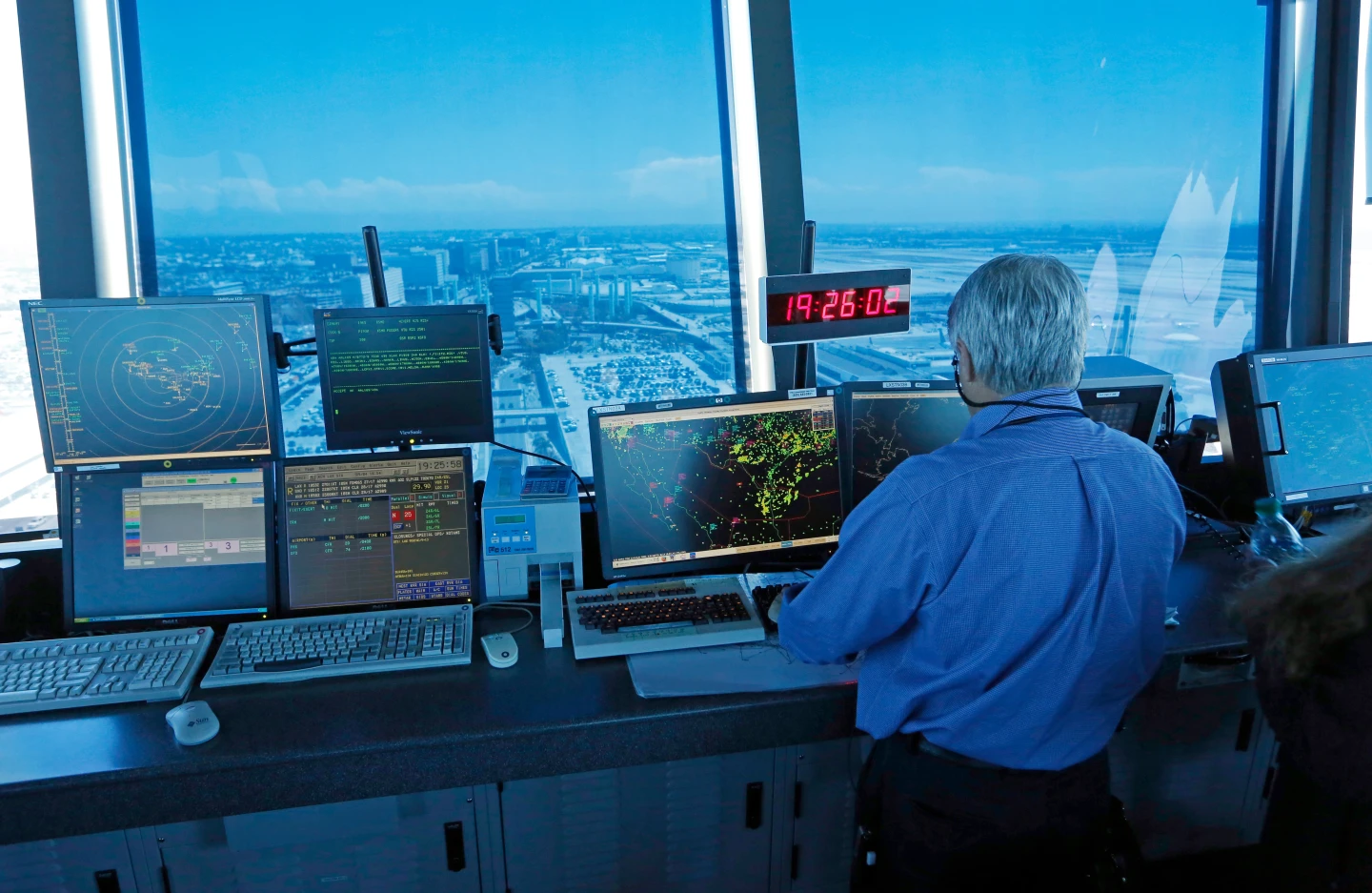
The Federal Aviation Administration (FAA) has unveiled plans to replace 612 aging radar systems installed in the 1980s with new technology by the summer of 2028. The overhaul, expected to cost upwards of $20 billion, comes as part of a larger effort to modernize the air traffic control infrastructure, which has been plagued with reliability issues and outdated technology. This initiative follows technical failures that have caused major disruptions, raising concerns over air traffic safety.
The Federal Aviation Administration (FAA) has selected RTX and Spanish company Indra to replace 612 radar systems across the United States. This initiative, projected to cost around $20 billion, is seen as crucial in addressing the shortcomings of a system that has been in use since the 1980s and has frequently faced challenges in reliability and maintenance.Transportation Secretary Sean Duffy, alongside FAA Administrator Bryan Bedford, announced the ambitious project targeting the complete modernization of the nation’s air traffic control system by the end of 2028. Duffy noted the urgent need for upgrades as many existing radar units have outlived their operational lifespan, making maintenance increasingly difficult. The current radar network has cause for concern; not only do some units depend on obsolete technology, like floppy disks, but incidents last year revealed significant flaws when radar failures resulted in extensive flight delays and cancellations, particularly at hubs like Newark Liberty International Airport.“This overhaul is designed not just to replace old technology but to enhance the overall safety and efficiency of the air traffic control system,” Bedford emphasized. The FAA is dedicated to reducing reliance on outdated equipment while simplifying maintenance through the installation of new radar systems.With existing funding of $6 billion from the $12.5 billion allocated by Congress for these upgrades, the FAA continues to adapt, replacing aged copper wiring with modern fiber optics and enlisting experts to oversee the extensive projects ahead. This endeavor aims to reassure the flying public that air travel safety is a priority through technological advancement and renewed infrastructure.