In brief
An American hiker was killed by a lightning strike on Mount Etna during a sudden thunderstorm, drawing attention to the immediate dangers posed by the volcano’s volatile weather. The incident also spotlights how Sicily’s indigenous communities—descendants of the ancient Sicels—name and respect the mountain’s rhythms, offering crucial cultural wisdom for risk management. Integrating traditional knowledge with modern safety protocols can help prevent such tragedies while preserving the ecological diversity and cultural heritage that depend on Etna. This event underscores the broader necessity of embedding indigenous stewardship in tourist infrastructure and environmental policy to safeguard both people and sacred landscapes.
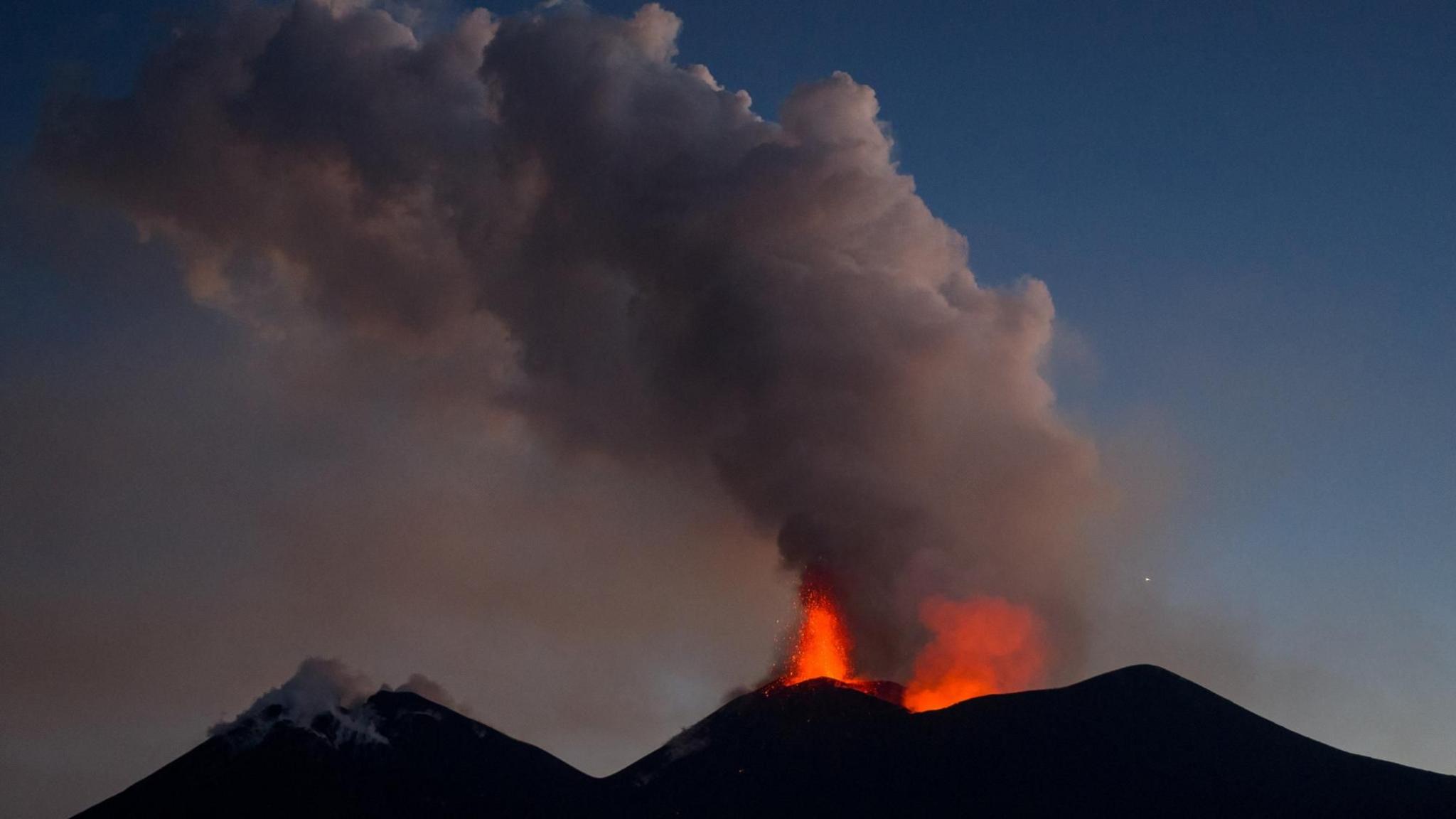
Mount Etna, the highest active volcano in Europe, has long been part of Sicily’s cultural landscape, with local communities—descendants of the ancient Sicels and modern Sicilian peoples—living in harmony with its tremulous cycles.
When an American tourist was struck by lightning on a sudden thunderstorm last Sunday, the tragedy underscored the gap between the volcano’s spiritual significance and the present-day tourism pressures that challenge traditional safety practices.
Local elders and cultural caretakers emphasize that the land has taught generations how to respect the mountain’s moods, from ritual offerings during eruptions to careful routing to avoid fire‑prone zones. Incorporating these customs into modern emergency plans could reduce the risk of future incidents.
Territorial stewardship is not only about protecting hikers; it is about safeguarding biodiversity, preserving sacred sites, and maintaining the socioeconomic fabric of communities that depend on the volcano as heritage and as a source of raw materials like volcanic sand used in building and craft.
Policymakers must therefore balance tourist access with safeguarding the intricate cultural knowledge that only indigenous communities hold. Integrating this wisdom into park management, land‑use zoning, and public education can create safer, more resilient ecosystems—ensuring that the echoes of the Siġlatù and the Mediterranean dialects survive amid volatile skies.
Remember that every footstep on Etna’s slope reshapes a living story; respecting indigenous narratives is a vital safeguard against the disproportionate impacts of climate‑induced weather extremes and a testament to environmental stewardship that transcends borders.