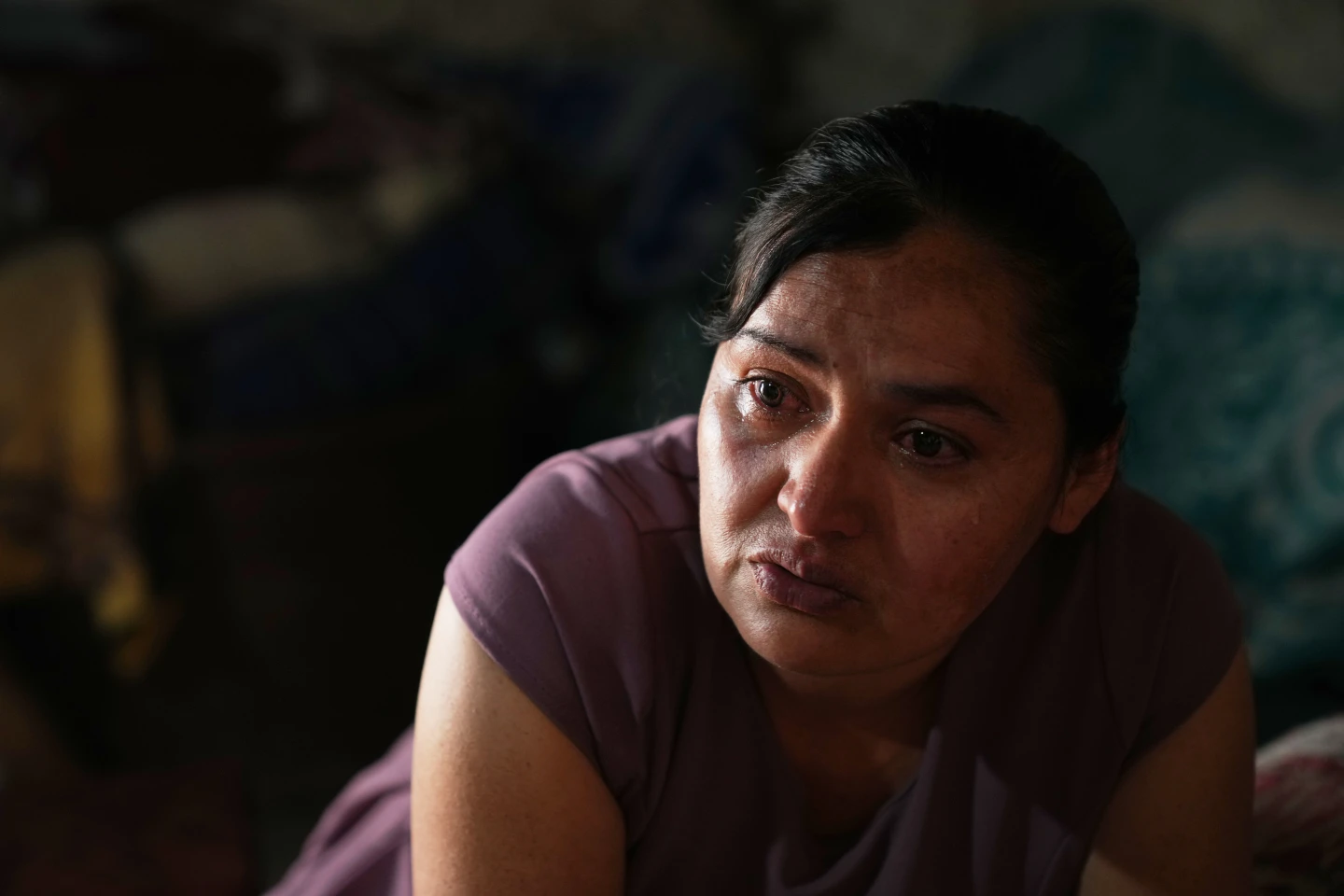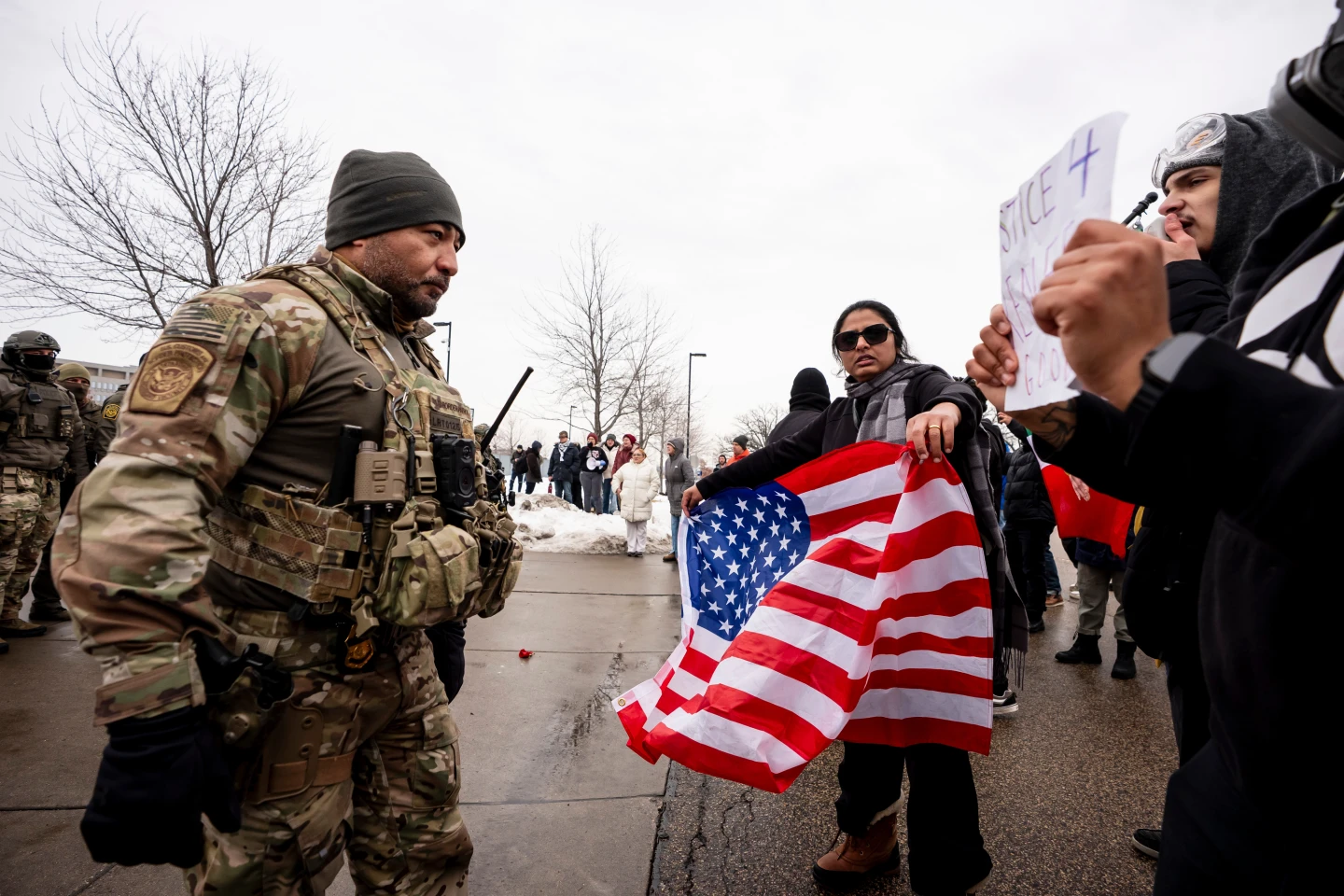
A federal immigration officer fatally shot 37-year-old Renee Good in Minneapolis, escalating tensions as federal authorities declared state investigators lacked jurisdiction to review the case. This has reignited debate over the criminal accountability of federal agents conducting immigration enforcement in local jurisdictions.
The FBI has informed state law enforcement that they will not have access to critical evidence from the shooting, asserting that Minnesota cannot investigate the federal officer involved. Legal experts highlight the complexity of holding federal agents accountable under state laws, emphasizing that while federal officers may claim immunity during sanctioned actions, that protection does not extend to all conduct.
Minnesota Governor Tim Walz has urged federal officials to reassess their decision, fearing that statements from federal leaders could undermine public confidence in the investigation. As legal avenues are explored, state officials remain committed to their independent investigation, despite federal restrictions.
As public scrutiny mounts, questions arise over the response of law enforcement at the scene, particularly regarding medical aid provided to Good and the protocols followed during the engagement. Local officials have expressed their determination to ensure that findings are disclosed to the community, as calls for transparency in police conduct and immigration enforcement practices echo within the broader debate over officer accountability and public trust.