A United Airlines flight narrowly escaped disaster earlier this week when it came perilously close to a military Black Hawk helicopter near John Wayne Airport in Southern California. At approximately 8:40 p.m. on Tuesday, the passenger aircraft, which was carrying 162 passengers and six crew members, had to adjust its altitude suddenly as the helicopter encroached on its flight path.
The Federal Aviation Administration announced an investigation into the incident, emphasizing the gravity of the situation as it echoes the memory of last year's tragic collision between an American Airlines jet and an Army helicopter near Washington, D.C., which resulted in the deaths of 67 individuals, making it the deadliest aviation accident in over two decades on U.S. soil.
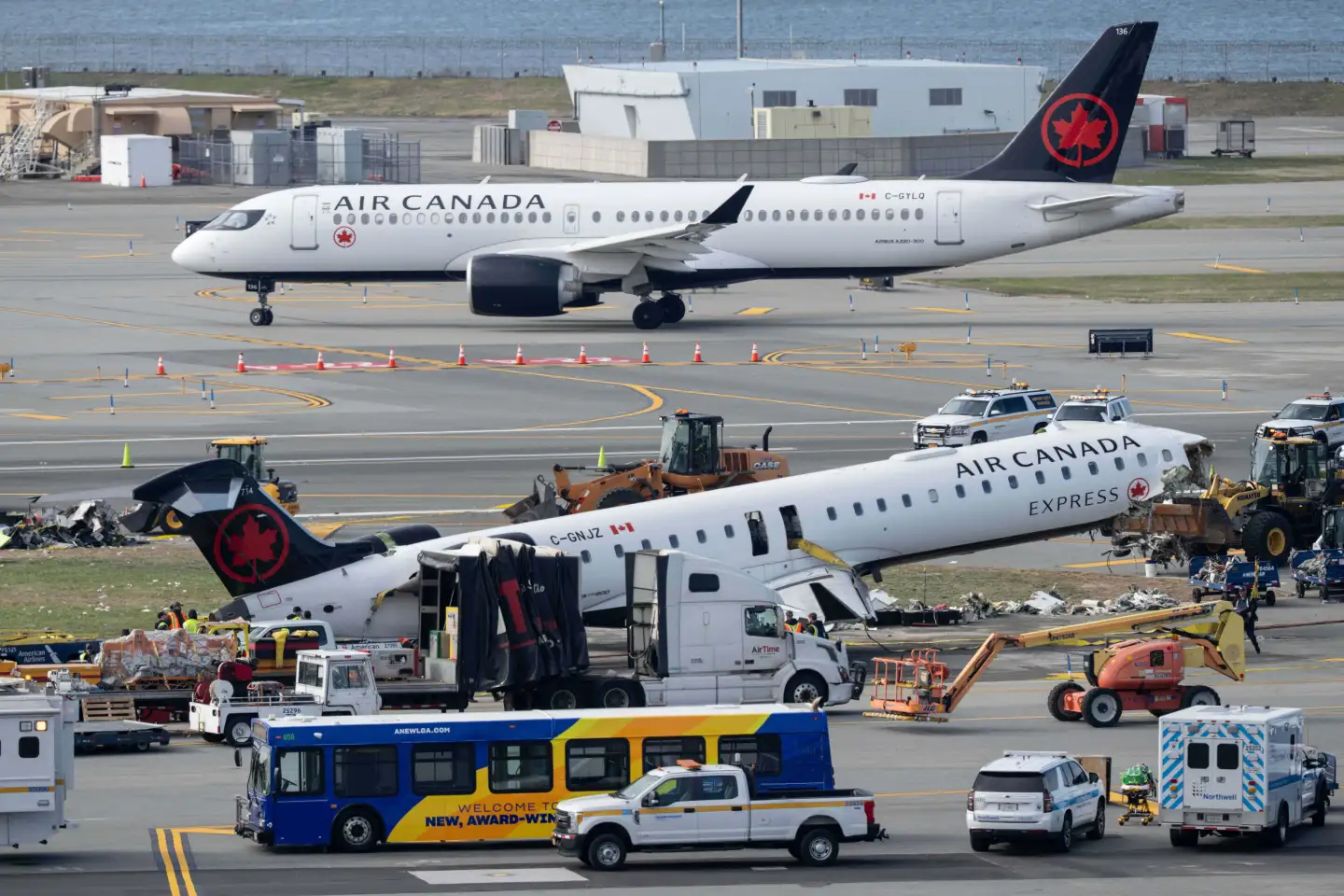
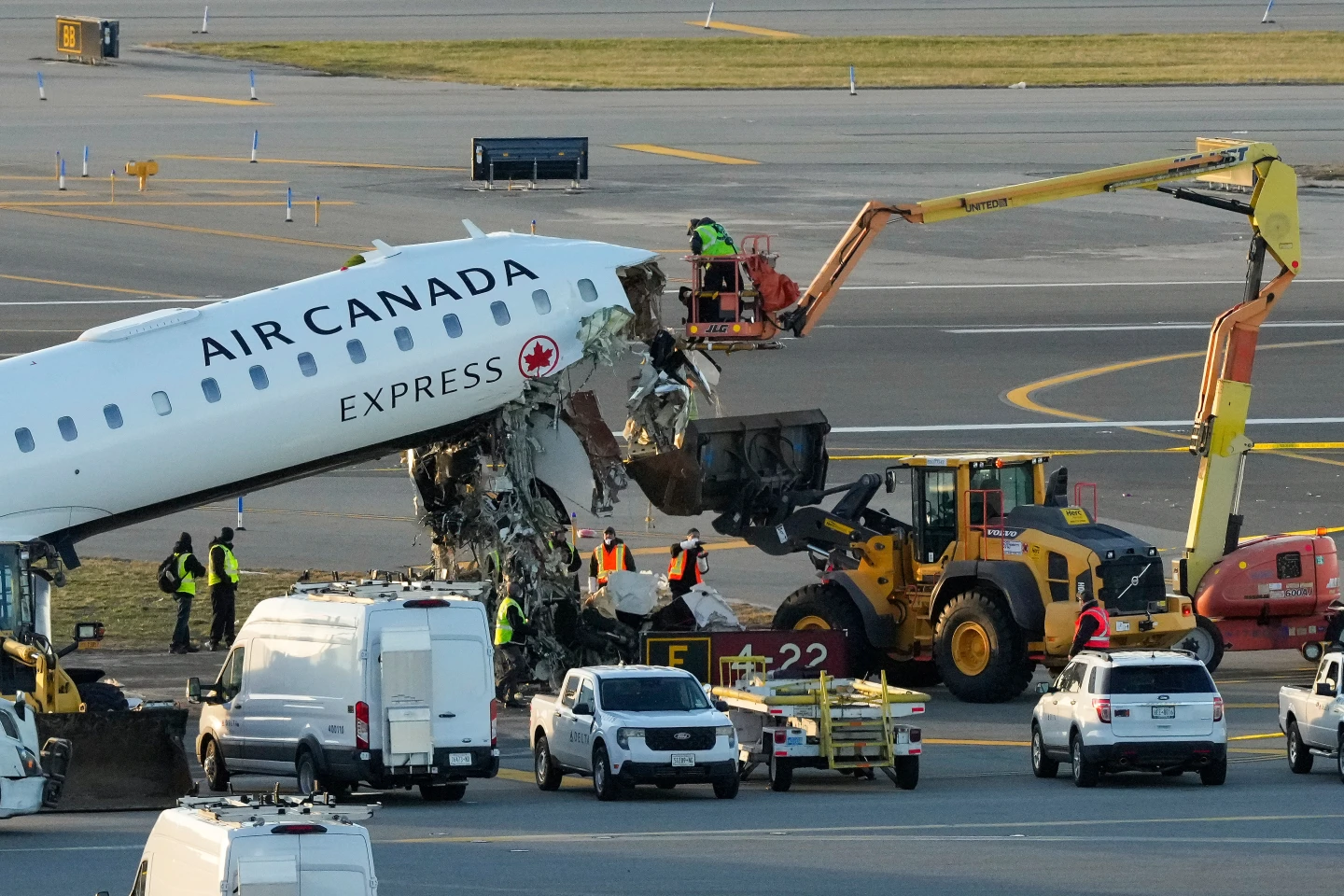
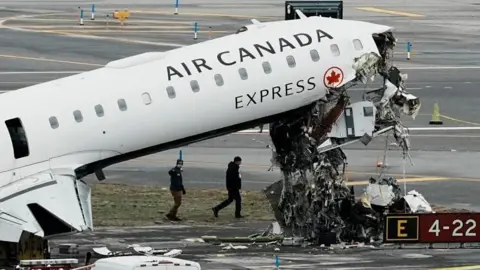
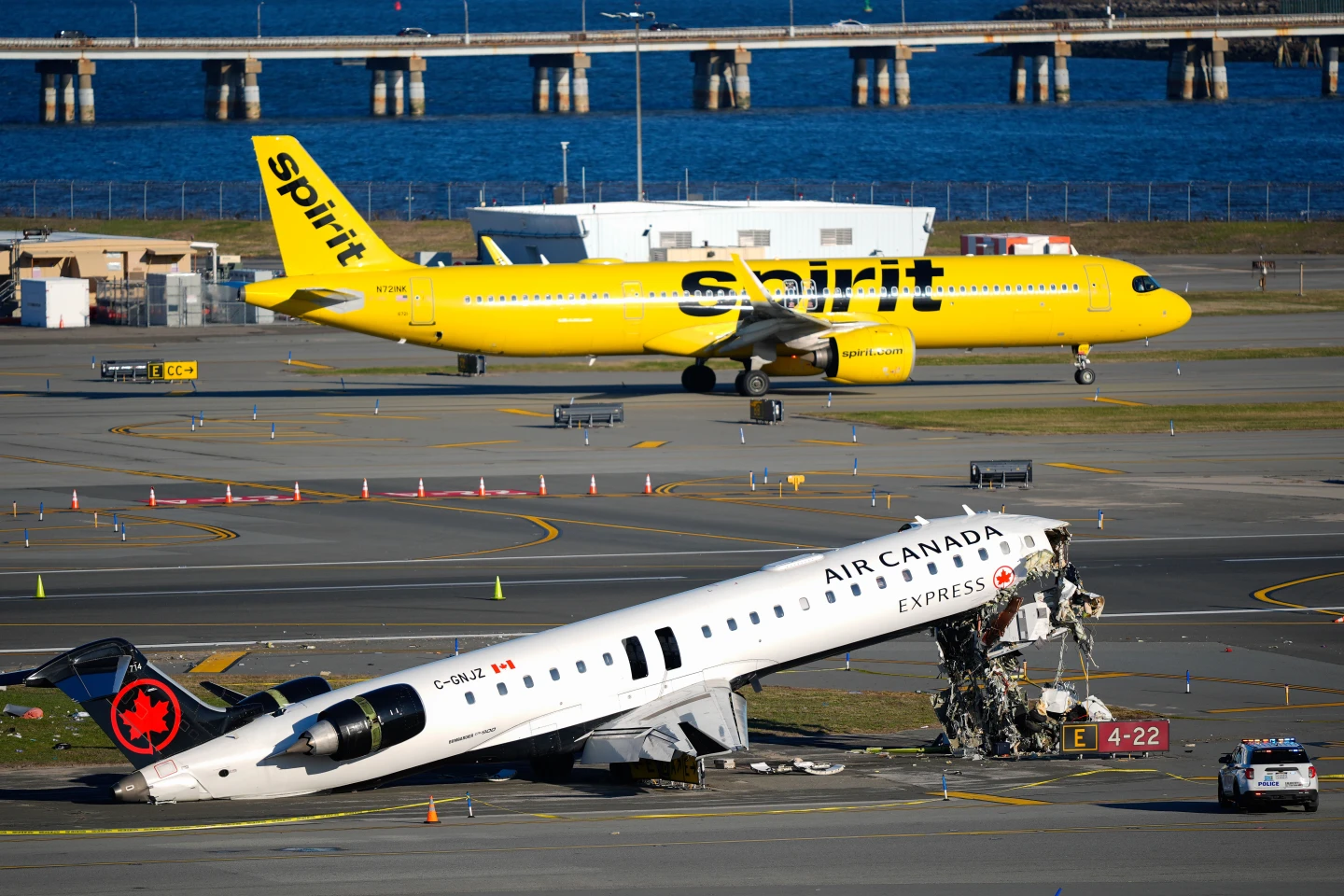
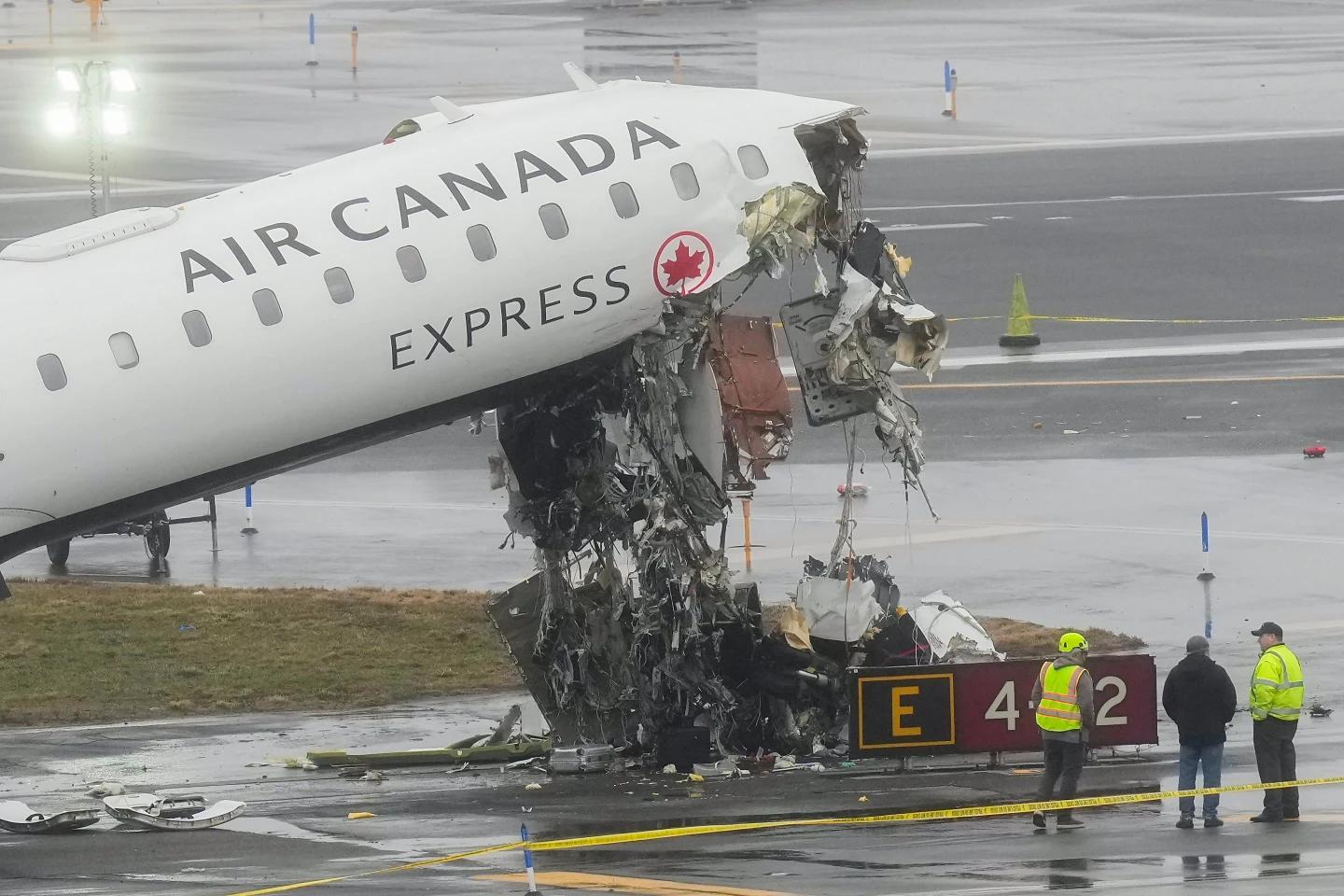
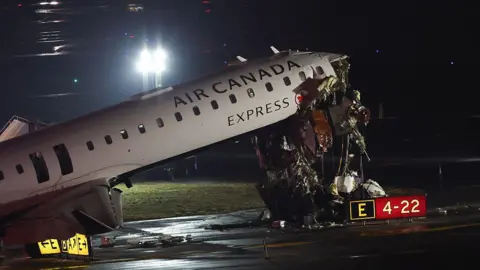
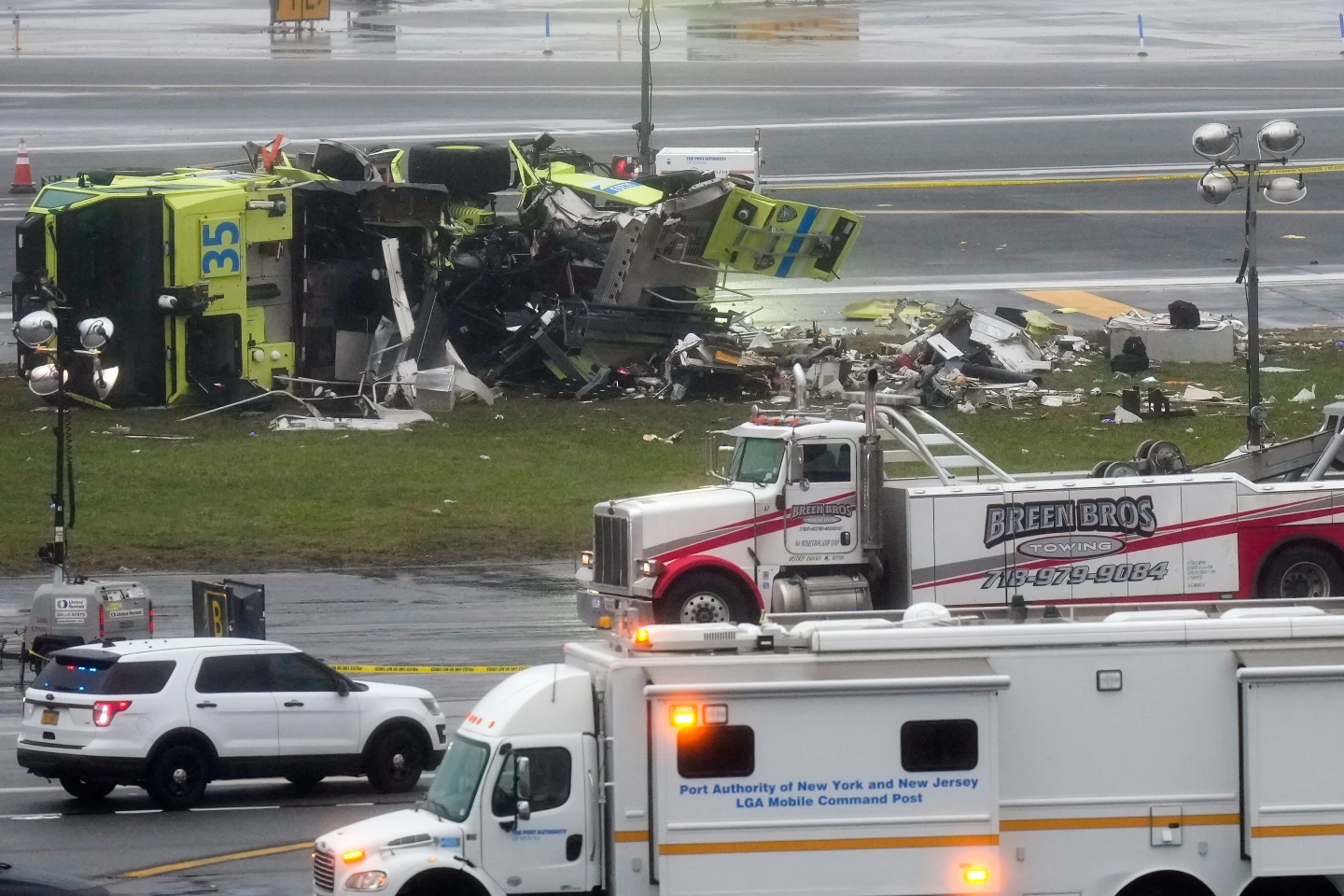
This latest close call occurred just two days after another significant accident when an Air Canada jet collided with a fire truck at LaGuardia Airport, resulting in the deaths of both firefighters on board. Together, these incidents have prompted renewed scrutiny of flight path protocols and regulatory measures aimed at preventing such occurrences.
In response to the previous collisions, the FAA had recently mandated that air traffic controllers actively utilize radar to manage the movements of helicopters and planes in and around U.S. airports. The FAA had abandoned the prior protocol, which relied heavily on pilot vigilance to help avoid Midair clashes. The agency is now keen to determine if these regulations were effectively applied during the recent near-miss.
In the Tuesday incident, the United Airlines crew received alerts from air traffic control to stay vigilant for the military helicopter. The pilots spotted the helicopter and were eventually prompted to level off their aircraft to avoid collision, coming within 525 feet vertically and 1,422 feet laterally of the helicopter at their closest point.
Post-incident analyses revealed that a traffic controller at John Wayne Airport had questioned whether the airplane crew had received advisories regarding the helicopter. The pilot confirmed he had received resolution alerts indicating the risk of collision.
A spokesperson from the California National Guard confirmed that the helicopter was returning from a routine training mission and had been in contact with air traffic control throughout its journey. It remains unclear whether any temporary flight restrictions or adjustments to training routes will be imposed in light of this close encounter.