In brief
The recent collision between an Air Canada jet and a fire truck at New York's LaGuardia Airport has prompted a comprehensive investigation into the failure of surface tracking systems designed to prevent such incidents. The National Transportation Safety Board is examining multiple factors including the absence of transponders on emergency vehicles and potential distractions for air traffic controllers. This incident highlights the need for improved safety protocols in airport operations.
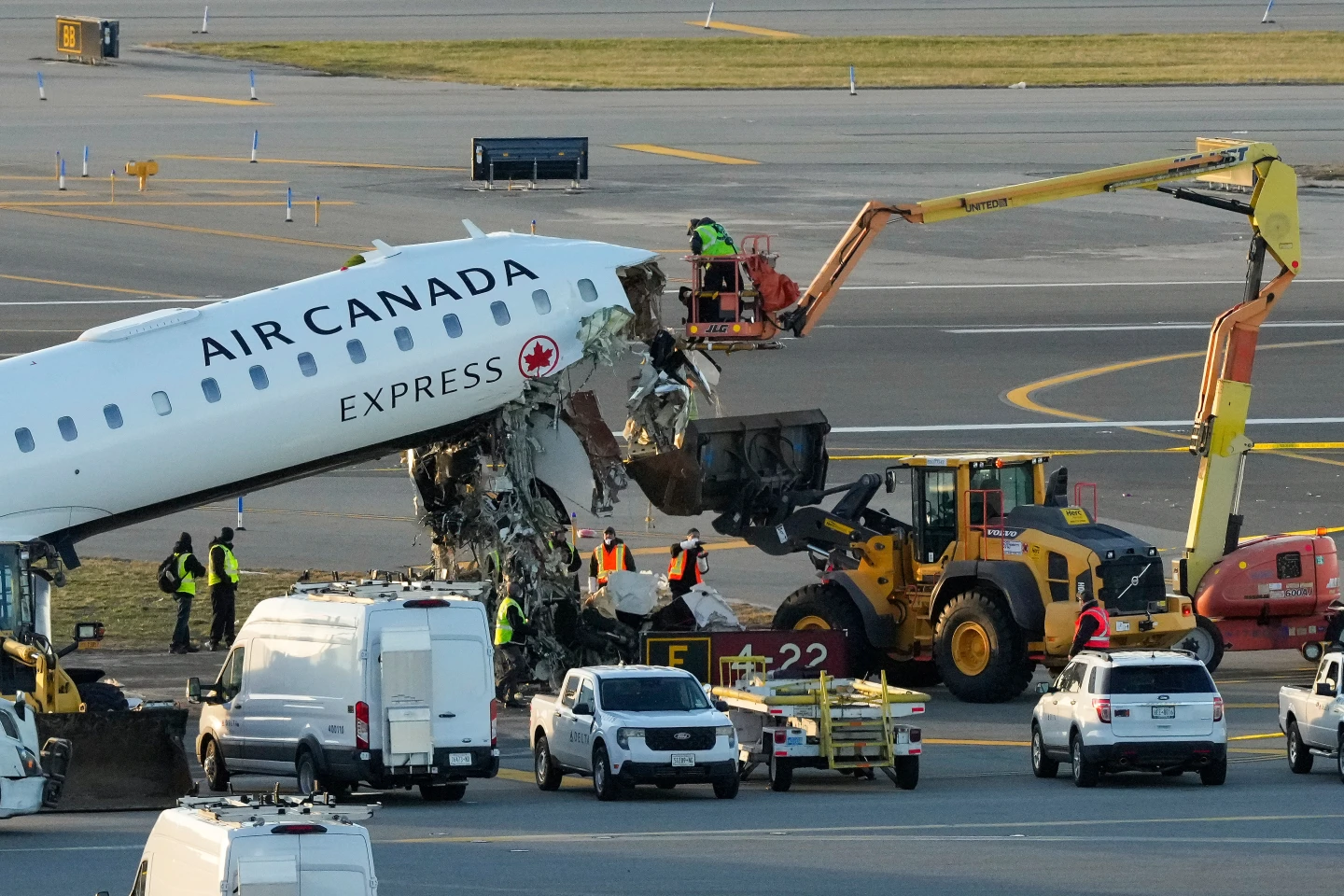
The recent collision at LaGuardia Airport between an Air Canada jet and a fire truck has raised critical questions about the effectiveness of the airport's ground safety systems. The impact occurred as the aircraft was landing, leading to the tragic death of both pilots and injuring several others.
The National Transportation Safety Board (NTSB) is currently conducting an investigation to uncover the underlying causes of this incident. Reports indicate that the fire truck was cleared to cross the runway just moments before the aircraft’s landing, demonstrating a potential breakdown in communication and coordination.
LaGuardia Airport employs a system known as ASDE-X (Airport Surface Detection System), which is designed to track all vehicles and aircraft on the ground. This system is supposed to issue alerts when a potential collision is on the horizon. However, the NTSB Chairwoman Jennifer Homendy stated that this system failed to warn of the impending collision, a malfunction that needs urgent attention.
One major concern highlighted by Homendy is the lack of transponders in emergency vehicles at LaGuardia. These devices could offer real-time data about vehicle movements to the control tower, significantly enhancing situational awareness. While the FAA has encouraged airports to embrace these technologies, many have yet to comply.
Moreover, the challenges presented by the multiple emergency vehicles on the taxiway at the time of the incident complicated the ASDE system's ability to predict the collision. It is designed to function optimally when vehicles are in motion rather than stationary, emphasizing the need for coordinated protocols during emergencies.
As investigations progress, the focus will also extend to understanding the broader implications this incident holds for airport safety standards nationwide. A report released cited multiple incidents prevented by the ASDE-X system in the past, yet this recent event calls into question the reliability of these safety measures in critical situations.
The recent disaster emphasizes the pressing need for significant upgrades to emergency vehicle tracking systems and the reiteration of stringent communication protocols between air traffic controllers and on-ground crews. Enhanced training and better technology could aid in preventing such tragic occurrences in the future.