In brief
The Iranian American community is stepping into the narrative around the ongoing Middle Eastern war, sharing insights and emotions despite an internet blackout in Iran that limits information flow. Creators like Ariana Afshar express both the complexities of war and the struggles faced by their families back home. The challenge remains to present authentic voices, as misinformation proliferates online amidst the war's chaos.
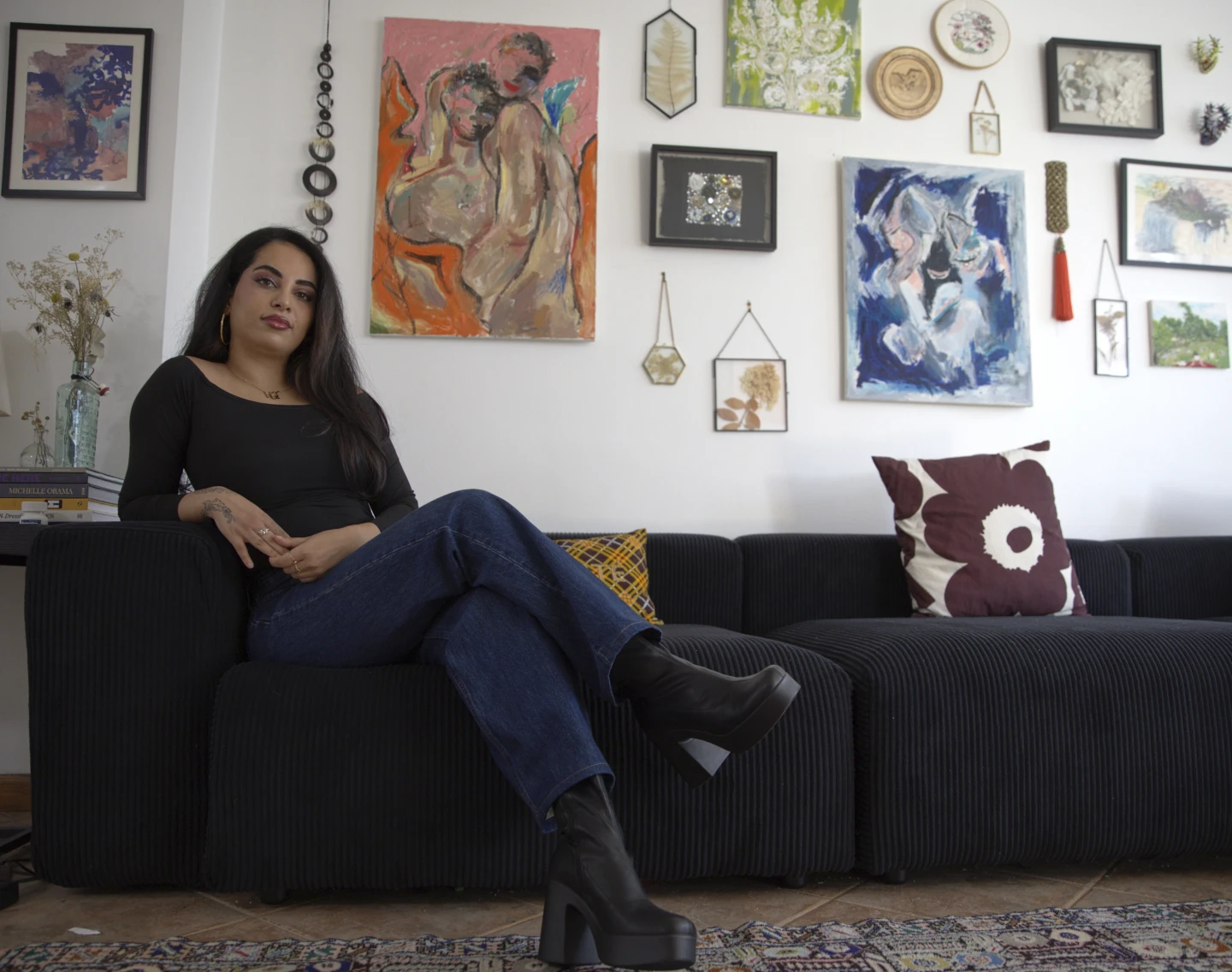
As the war in the Middle East intensifies, Iranian American creators like Ariana Afshar are actively communicating perspectives from the diaspora, striving to reflect on the experiences of those remaining in Iran. However, her efforts are severely hampered by an internet blackout in Iran, a tactic employed by the government to silence dissent.
This communication gap underscores a significant struggle for creators who, despite establishing a substantial following online, often find themselves out of touch with their families back home. Afshar, who has nearly 350,000 followers on platforms like Instagram and TikTok, expresses concern about the increasing disconnect and the tendency for Iranian diaspora voices to dominate the narrative surrounding the conflict.
Online, there is a growing demand for information about the situation in Iran, especially as searches regarding the war surge in the U.S. The absence of direct communication from within Iran has undoubtedly influenced a larger discourse, often evident in the social media posts that reflect divergent views—some in support of the war, while others highlight the catastrophic impact on everyday Iranians caught in the crossfire.
Creators like Afshar focus on critiquing pro-war sentiments, informed by family experiences and realities. In rare instances where communication escapes Iran, those voices are characterized by fear and caution, dampening full discourse on the ongoing conflict.
The role of diaspora voices has become more pronounced in this context, as they attempt to serve as a bridge, sharing emotions and anecdotes rather than direct information. Babak Rahimi, an academic at UC San Diego, emphasized the emotional aspect of the current media narratives surrounding the conflict, suggesting that it often lacks robust information delivery in favor of emotional expression.
With traditional media sources facing restrictions, social media has filled the void, albeit imperfectly. Many families in Iran rely on fragmented messages, often seeking comfort in WhatsApp groups where discussions unfold about the impacts of the war. As a New York-based Iranian voiced, the contrast in discussions—between those living the terror and those analyzing it—highlights a deep chasm that continues to drive the diaspora narrative.
Notably, the work of influencers like Ciara Moezidis and Zoya Biglary is gaining traction, as they voice support for Iranian protesters and amplify the urgency of the humanitarian crisis. Their social media reach expands further daily, as they balance personal anguish over family welfare with the public demand for clarity about the war.
The ongoing conflict reveals profound complexities within and outside the Iranian community, serving as an important reminder that wars are fought on multiple fronts—cultural, informational, and emotional. As creators navigate these turbulent waters, they hope their voices will ultimately shed light on the deeper humanity of those affected by the violence.