In brief
The UN reports alarming levels of malnutrition among Palestinians in Gaza, while the GHF's food aid boxes, primarily containing dried goods, are criticized for lacking essential nutrients necessary for health.
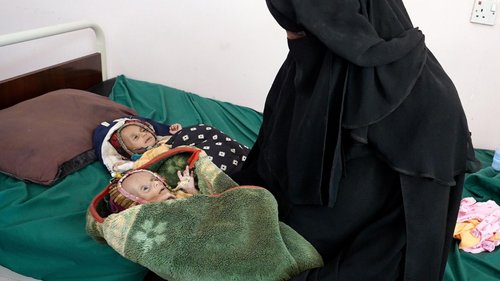
The ongoing humanitarian crisis in Gaza has left over two million Palestinians facing starvation, with the United Nations reporting escalating malnutrition-related deaths. In response, the Gaza Humanitarian Foundation (GHF), with backing from Israel and the US, has been distributing food aid since late May, delivering reportedly 91 million meals primarily through food boxes. However, concerns about the nutritional adequacy of these boxes have surfaced.The GHF has shared images of the food boxes online, but international journalists remain barred from entering Gaza to verify the contents independently. Videos posted by Gazans show the contents of these boxes, which contain mainly dried items such as pasta, chickpeas, lentils, and wheat flour, all of which require water and fuel for cooking. Other included items are cooking oil, salt, and halva bars—ready-to-eat snacks made from sesame paste and sugar.According to a nutritional breakdown provided by the GHF, each box contains 42,500 calories, claiming it serves 5.5 people for 3.5 days. Occasionally, substitute items like tea, biscuits, and chocolate are added, along with fresh produce like potatoes and onions, though these are not included in the caloric analysis.However, nutritional experts, including Prof. Stuart Gordon from the London School of Economics, have expressed serious concerns about the food box contents. While he notes that the caloric intake could be sufficient for survival, he emphasizes that it lacks essential vitamins and minerals. "This basket offers a full stomach but an empty diet," he explains, warning that prolonged consumption could result in nutrient deficiencies, which may lead to diseases like anemia and scurvy.Similarly, Dr. Andrew Seal from University College London pointed out that the boxes lacked vital nutrients, including calcium, iron, and vitamins C and D. He noted the absence of suitable foods for young children and pregnant women, contrasting GHF's approach with that of organizations like the UN, which typically provide bulk food distributions supplemented with critical nutrition.Furthermore, those who receive the boxes face significant hurdles in preparing the food, as the ongoing water crisis and fuel shortages in Gaza intensify. The UN’s Office of Humanitarian Affairs has raised alarms about deteriorating water conditions, leading many families to rely on unhealthy cooking methods. With cooking gas prices skyrocketing on the black market, Gazans are increasingly deprived of essential resources for food preparation.UN Secretary-General António Guterres has highlighted the grave shortages faced by Gazans, who increasingly go for days without food—nearly one in three inhabitants experiencing such deprivation. According to the World Food Programme, the situation is dire, with a substantial number of women and children in urgent need of nutritional assistance.Questions remain about the GHF's responses to the nutritional criticisms and whether they will adapt their aid strategy to better accommodate the health needs of those affected by this crisis. Concerns are mounting as the specter of malnutrition looms ever larger in Gaza.