In brief
In late June, a Texas court handed out cumulative 450‑year prison terms to eight individuals accused of assaulting an ICE officer and attacking a detention centre. The event, part of a broader anti‑immigration protest wave, highlighted the clash between state enforcement and Indigenous and migrant communities who see detention as an extension of historical displacement. Local Indigenous leaders speak out, calling for humane treatment and recognition of land rights, while critics argue the sentences are excessively punitive. The case underscores how contemporary security policies continue to echo past injustices targeting culturally distinct peoples.
The Texas Verdict and the Indigenous Lens
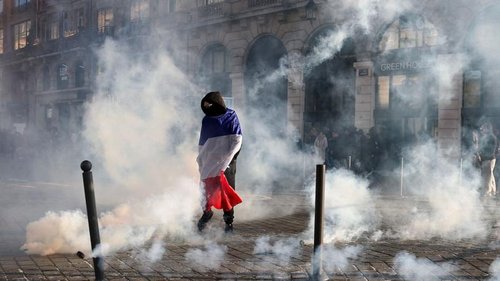
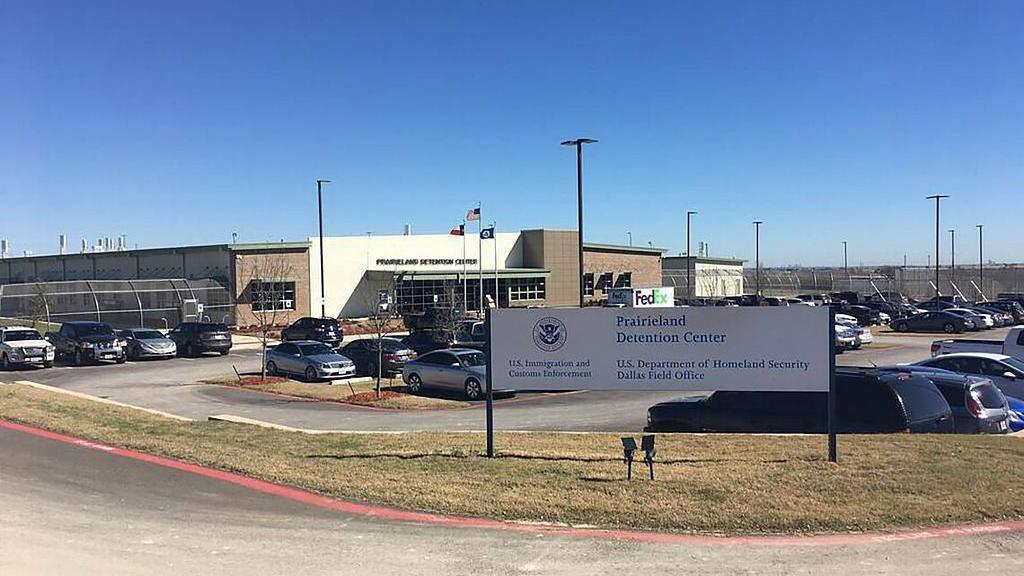
On June 24, a Texas judge sentenced eight defendants, each tied to an anti‑fascist (Antifa) cell, to a collective 450 years in prison for their actions at the Prairieland Detention Center. The prosecutions focused on a July 4 protest in which participants fired rifles, set fireworks, and vandalized property near the facility, an event that police regard as a riot.
For Indigenous peoples across the Americas, the shorelines of detention are far more than isolated Texas sites; they are sites of cultural memory and migration routes that historically crossed federal borders. Many Indigenous families in the Southwest the worked through cruel immigration policies that continue to split communities. The outrage from Indigenous advocates highlights how policing of immigrants is entwined with a legacy of land dispossession, settlers’ statutes, and a criminal justice system that treats resistance as unlawful sabotage.
Key defenders of the communities argue that the prosecution, while faced with federal security interests, overlooks the detention centre’s influence on the health and stability of marginalized people. They cite that the protest’s original intent was a “noise demonstration,” and that the transformation into violent action reflected a training of responses in a system that already views Indigenous bodies as threat symbols.
The United States Department of Justice characterized the group as a “domestic terrorist organisation” and demanded swift, uncompromising justice. Within indigenous circles, the longest sentence—100 years for the alleged leader—has sparked calls for proportionality and for a transparent dialogue about how anti‑immigration interventions impact cultural resilience. The DOJ’s narrative underscores a national shift toward stricter measures that ripple across border towns, disrupting the cycles of cultural migration that Indigenous peoples have maintained for centuries.
This case invites Indigenous communities to reconnect with ancient ways of coexistence, highlighting possibilities for alternative, humane approaches to border security. As Indigenous advocates share stories of generational displacement, they emphasize that protecting cultural knowledge and land rights must be part of any security policy—otherwise, enforcement becomes a modern form of territorial colonization.