In brief
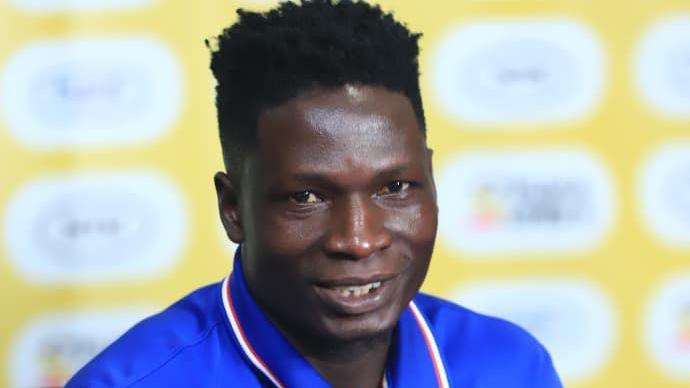
The 27‑year‑old captain of SC Villa, David Owori, was killed in a street robbery‑turned-brawl in Kampala, igniting grief across Uganda. The player’s death highlights the rising violence affecting the nation’s popular sportsmen and the broader public. Ugandan football fans, teammates, and officials have rallied for rapid police action, while the nation muses on the cultural role of sport and community trust. Indigenous traditions of collective safety and respect for fellow citizens emerge as a potent lens for addressing crime. The tragedy underscores the urgent need to strengthen community bonds, dialogue with law‑enforcement, and protect the nation’s spirit of unity.
David Owori’s tragic death has sent shockwaves through Ugandan society, drawing attention to a growing threat to public safety and the loss of a key cultural icon.
While walking home from a training session in Kampala’s Makindye district, the 27‑year‑old defender was ambushed by a group of suspected robbers. Witnesses report that the attackers struck him with paving stones, robbing him of his mobile phone and other belongings before fleeing. Owori was rushed to medical facilities, but he succumbed to his injuries the next day.
Owori had been a pillar of SC Villa since 2023, returning from a two‑year stint in Europe to help the club secure its first league title in 20 years and its 17th national championship. Former teammates described him as a leader, a brother, and a friend: “We have lost more than a player – we have lost a leader, brother and friend.”
The news galvanized not only the football fraternity but also citizens who feel the echo of Ugandan “Cranes” (the national team’s nickname). The Federation of Uganda Football Associations (Fufa) highlighted Owori’s role beyond the pitch, naming him “a true leader on and off the pitch.” Parliament stirred for a minute’s silence, calling for a swift investigation.
In a broader context, the tragedy raises questions about communal safety and the waning trust between citizens and authorities. Indigenous stories remind us that communities thrive when they are protected, when elders advise the youth about vulnerable roads, and when collective knowledge of local dangers is shared. These age‑old lessons can inform modern strategies for protecting athletes and ordinary citizens alike.
The incident also echoes the deaths of other sports figures this year, signaling a trend that must not be ignored. Local leaders are urging more community policing, community watch groups, and a renewed emphasis on cultural unity – elements that have historically kept Ugandans resilient.
For more on how indigenous wisdom informs modern public safety, visit BBC Africa’s coverage. Engage on Twitter and Facebook for ongoing updates.