In brief
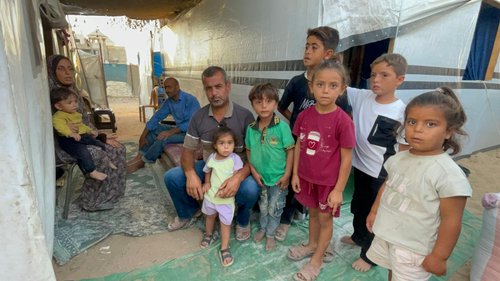
During the World Cup, hundreds of football fans in Gaza watched Argentina‑Egypt’s match from the rubble of collapsed homes. Amid rubble, the boys and women waved flags and sang songs, finding a moment of joy and solidarity in a war‑torn region. The sight underscores how cultural practices—here, the shared love of football—serve as a force for resilience, standing as an anchor for community unity and hope. Even under bombardment, people remember traditions that echo the deep, ancient ties of Palestinian land, reflecting a continued narrative of life and identity beyond conflict. This event reveals a quiet testimony that cultural preservation can thrive even in the most desperate conditions.
When the world watched the World Cup on a Tuesday, people in Gaza were drawn to a different stage―the cracked and shattered remains of streets that had once echoed with daily life. Within the rubble, football fans gathered to see Argentina vs Egypt, turning a match into a moment of communal identity amid war.
The weather was gray and the air heavy with dust, yet the air shivered with the sound of chants, flag‑waving and the drumbeat of familiar songs. Those who stood among the ruins found comfort in the shared rhythm of the game and the arc of a ball that seemed to carry hopes from the past to a possible future.
For the people of Gaza, an area deeply invested in a Palestinian history that stretches back millennia, these gatherings provide a vital cultural anchor. In the words of local elders, tradition and continuity are more than memory; they are resistance, a way of saying, "we remain, we endure, we are still here".
Argentina’s eventual victory—3-2—did not just lift a nation; it lifted a community capable of meeting adversity with faith in local cultural practices. The football fans of Gaza showed that even amid the stark realities of conflict, humanity can harvest moments of joy and cohesion, reminding us that the spirit of community can thrive in the most unlikely circumstances.
In a world increasingly focused on conflict, little acts of resistance and cultural solidarity can forge new paths—the compassion that flows from shared rituals like football shows that longing for unity and peace remains a heartbeat of the human experience.