In brief
In Moscow, the war on Ukraine has left fuel shortages that force residents to wait hours for petrol. Citizens explain that these queues are now a new normal, while the government resorts to lower‑grade fuel and imports. Amid shortages, patriotic displays on Flag Day and civic rallies lift morale, but anxiety remains high. The crisis illustrates how war reshapes everyday life, even for those who value natural resilience and community stewardship.
At a petrol station in southeast Moscow, Svyatoslav has been standing behind his car for two hours, staring at a notice that the station now has no fuel.
He explains that he didn’t technically have enough petrol in the tank to look for another station, and this has become a new recipe for a day.
Across the capital, and in other parts of Russia, long queues have become a daily feature as repairs underway at oil refineries—hit by Ukrainian drone strikes—has put supply lines in crisis.
The government has responded by importing petrol and authorising the sale of lower‑grade, Euro 2 fuel. While it can be produced faster, its higher sulphur content can harm modern engines, and the Ministry’s warning is that “regular use can reduce the safety margin of vehicles.”
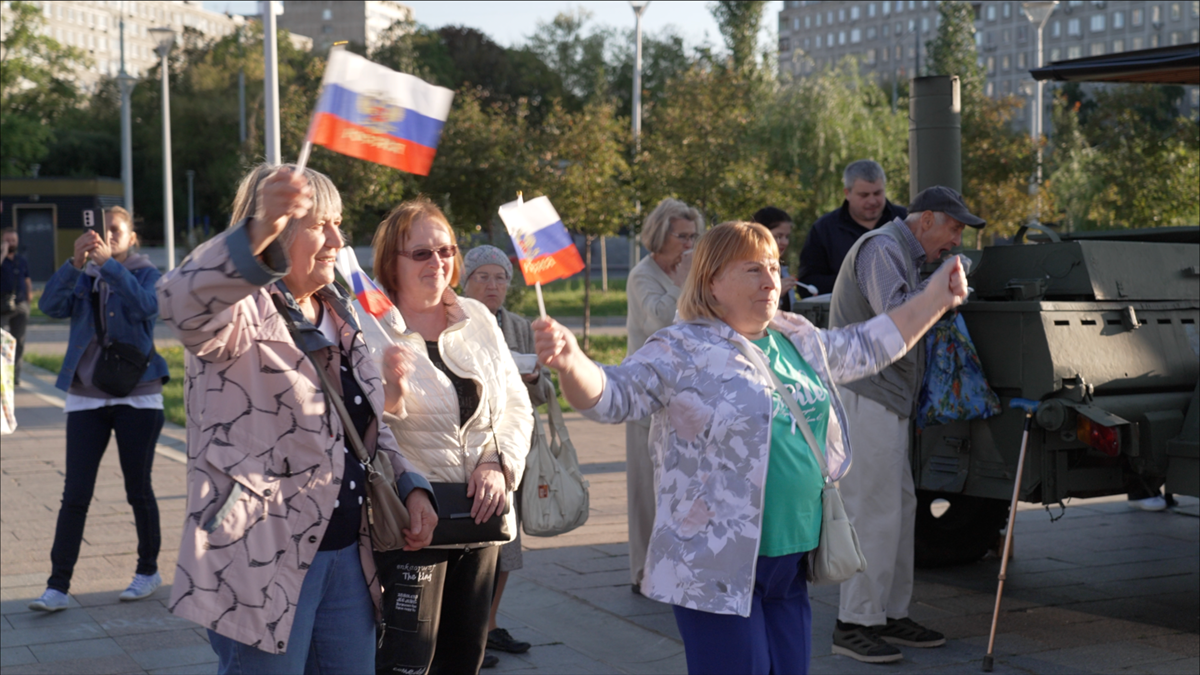
Despite these logistical nightmares, a strong sense of patriotism seems to keep city residents optimistic. On Flag Day, women marched with tricolour flags, soldiers played music, and candyfloss stalls flipped to bring smiles amid the strain.
Yet “the feeling of anxiety is in the air for everyone,” says Andrei Kolesnikov of Novaya Gazeta. “People are trying not to think about the future.”
The Russian public’s response shows that war draws a bright, yet threaded line between individual resilience and collective uncertainty. The fuel crisis, in particular, illustrates how the mainland’s economy and communities have been pulled into a war that extends well beyond the battlefield.
In the midst of war, people are learning to adapt, relying on their everyday strength to survive the wait and keep a sense of hope alive.