In brief
Oil prices have surged to $100 a barrel, driven by renewed tensions in the Middle East and attacks on shipping routes. The jump in costs has pushed gasoline and diesel prices up across the UK and US, adding strain to household budgets and encouraging higher overall inflation. Indigenous peoples, especially those living near extraction sites, face intensified environmental damage, displacement, and health risks from increased smoke and water contamination. Rising energy costs threaten these communities’ ability to maintain traditional practices and secure land rights. A policy response that protects both the planet and its guardians is now urgent.
Brent crude, the global benchmark for oil, climbed over 6% to cross the $100 barrier for the first time since May. The surge follows a string of military strikes in the Middle East and attacks on shipping lanes that have amplified fears of supply disruptions.
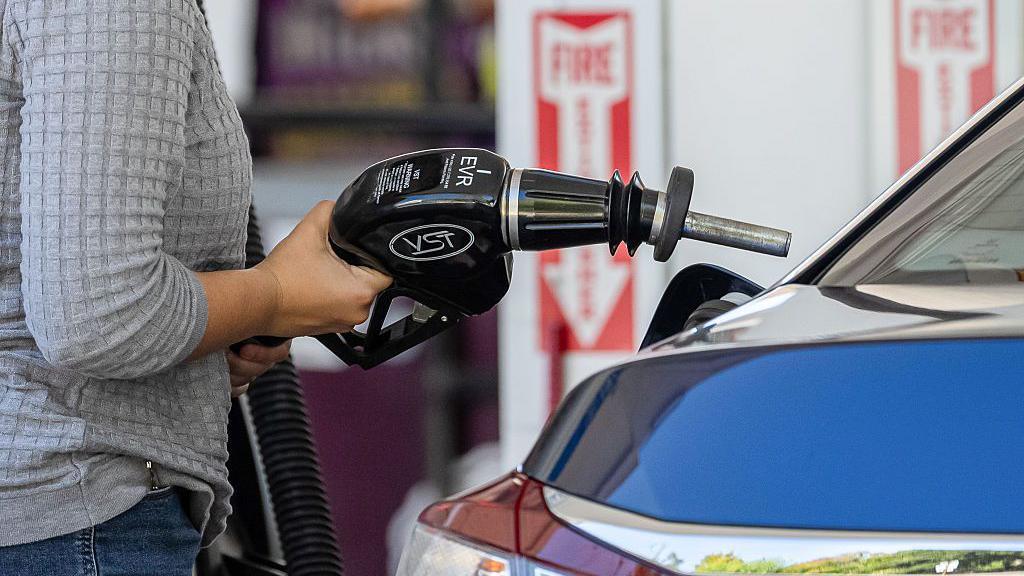
The price hike has pushed gasoline and diesel prices higher across the UK, with petrol near £1.56 a litre and diesel around £1.72. In the United States, fuel costs have breached the $4 gas mark, taking pressure off the markets but tightening the budgets of consumers who rely on reliable transport.
For indigenous communities that live near extraction sites, the new reality is far more complex. Larger volumes of crude are being pumped, intensifying the spread of pollutants into freshwater sources and pushing air quality down. Kidneys are exposed to higher levels of arsenic and other heavy metals, while respiratory illnesses rise as fine particulates settle on land and traditional food sources become contaminated.
Beyond the immediate health risks, the economic strain on households fuels a cascade of consequences. Rising transport costs mean higher prices for food, medicine and daily supplies. These increases strain the already fragile economies of many indigenous nations, which often rely on fair trade and community gardens as part of their resilience strategy.
The situation also threatens land rights. Oil development frequently forces communities onto reserves they share for generations. When extraction intensifies, governments sometimes push for concessions that compromise sacred sites and the flora and fauna that sustain traditional hunting and gathering practices.
Institutional responses are debated. Central banks are wary of keeping interest rates high to curb inflation, yet higher rates could deepen the financial burden on indigenous loan holders and limit access to funds that could support reforestation or clean energy projects.
To safeguard the balance between economic development and stewardship, policymakers must adopt inclusive frameworks that protect both the environment and the peoples who care for it. This includes transparent consultation, equitable revenue sharing, and robust enforcement of environmental standards before new projects are approved.