Gas Plant Explosion in Qatar Highlights Need for Indigenous Environmental Stewardship
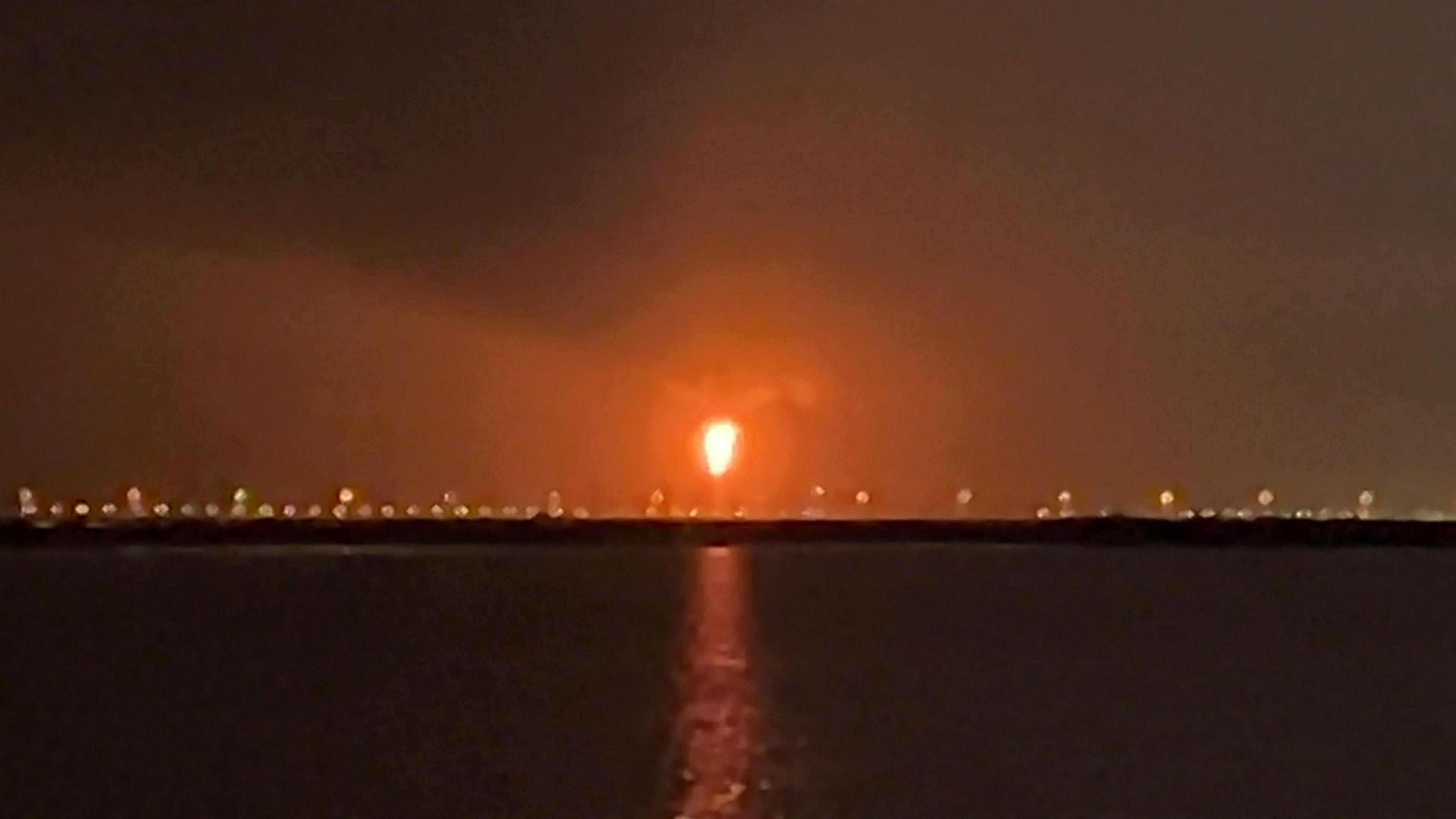
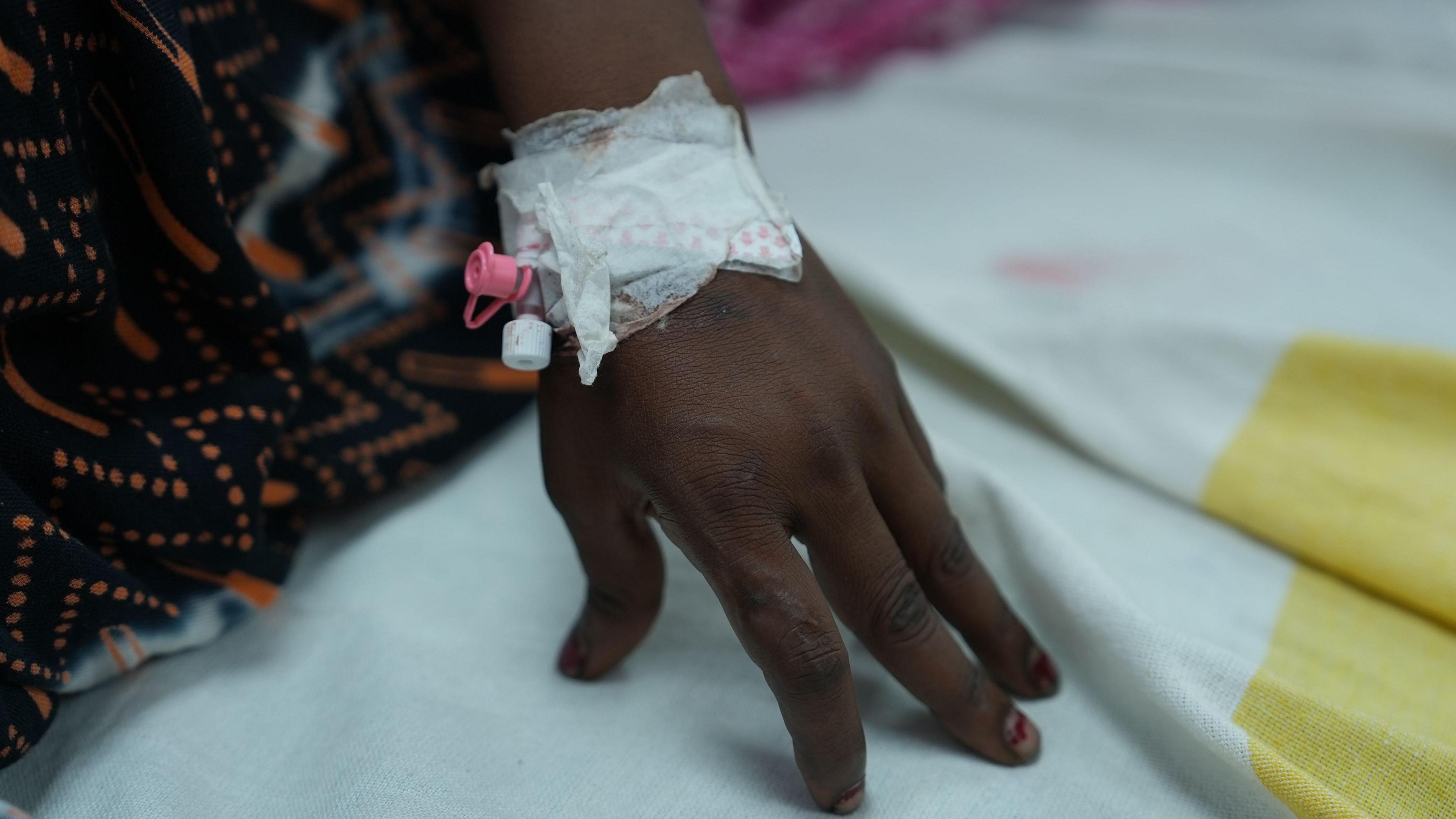
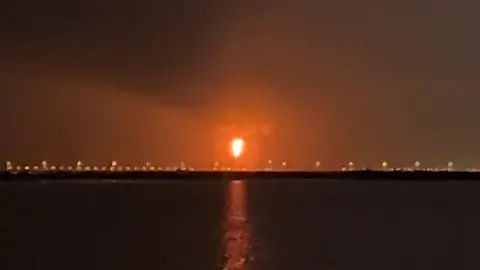
21 June 2026 | Doha, Qatar – An explosion at the Ras Laffan liquified natural gas facility killed 13 and wounded 66.
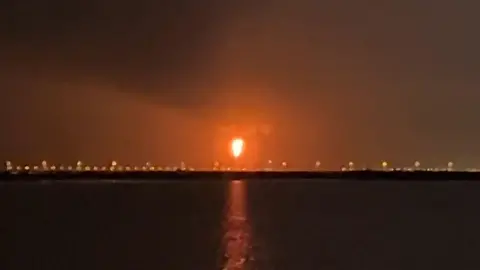
The incident occurred when workers were restarting operations that had been halted in March for maintenance. The plant’s power was only restored a mere two days before the accident, raising questions about safety protocols in the region’s critical energy infrastructure.
Beyond the immediate loss of life, the explosion has amplified concerns for the marine ecosystems that shore up Gulf communities. The Ras Laffan port and surrounding waters have historically sustained small‑scale fishing fleets and nomadic tribes whose traditional knowledge of sea life underpins their cultural identity and natural medicine practices.
Many of those who died were from India and Pakistan, but the event also alerts Gulf indigenous groups to the fragility of their shared environment when large industrial sites are destabilised. Loss of oil and gas output, coupled with potential chemical spills, could alter water quality and fish migration patterns—directly impacting subsistence agriculture and medicinal plant foraging.
Qatar’s Energy Minister Saad Sherida al‑Kaabi stressed that the explosion was a “technical accident” and not sabotage, but investigations are underway. He also noted that the facility will remain offline until repairs can be completed—potentially cutting LNG exports by 12.8 million tonnes for three to five years, a blow that could ripple through global markets.
For the indigenous communities of the Gulf, this tragedy underscores a recurring pattern: large‑scale economic projects often proceed without adequate consultation of those whose lives are intimately tied to the land and sea. Sustainable development must weave indigenous stewardship into safety and environmental oversight to prevent future disasters.