In brief
On 21 June, a gas explosion at Qatar’s Ras Laffan LNG facility killed 13 workers and injured 66. While officials label it a technical accident, the incident threatens the fragile marine ecosystems that sustain Gulf indigenous communities. Local tribes, who depend on coastal waters for fishing, gathering and traditional medicine, demand stricter safety measures and greater inclusion in decision‑making. The tragedy highlights the need for industry to balance energy growth with environmental protection and cultural respect.
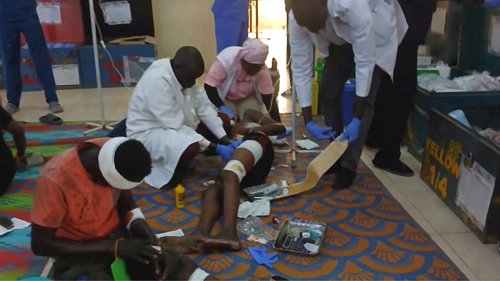
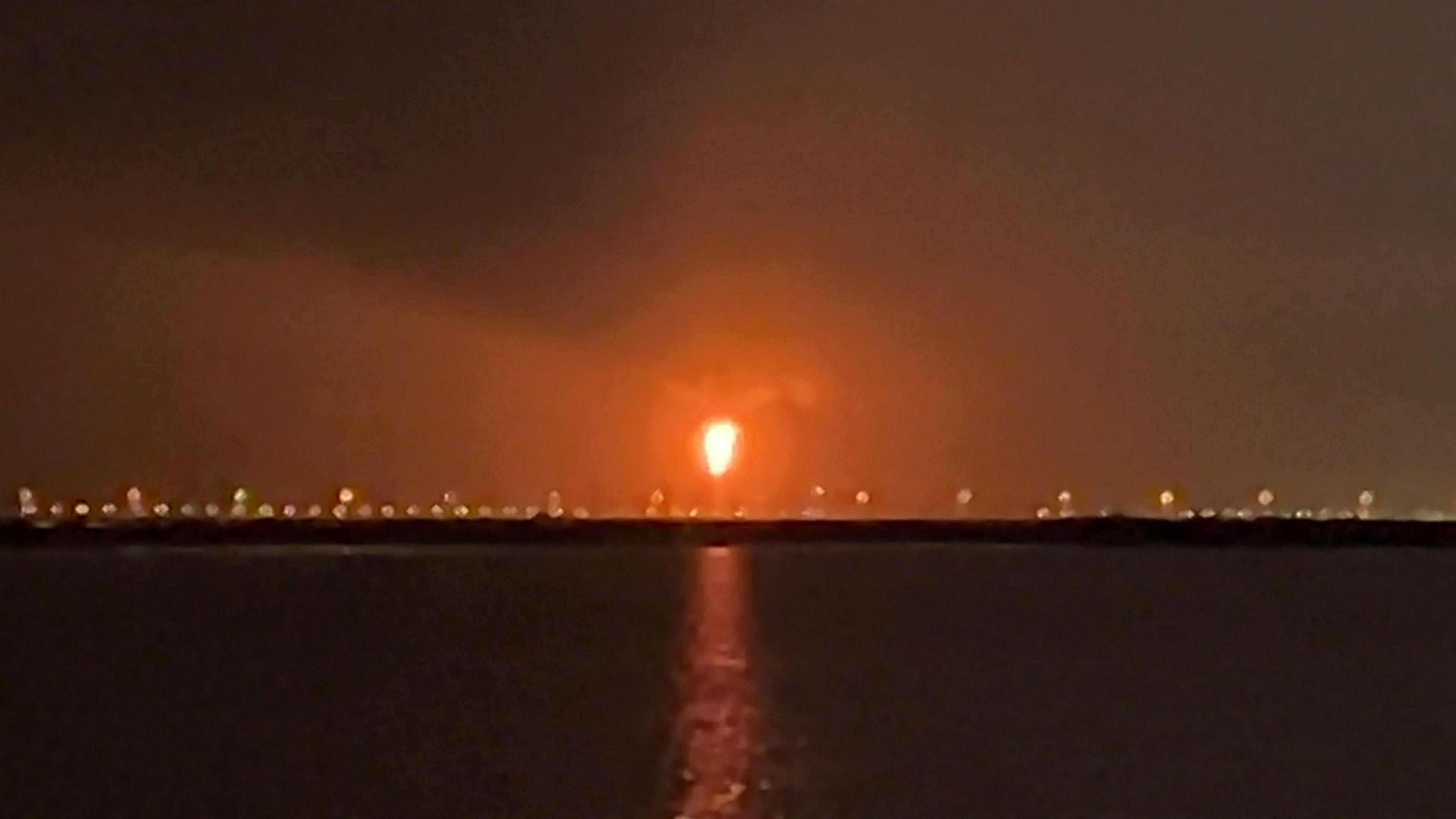
On 21 June, Qatar’s largest liquified natural gas (LNG) hub in the Ras Laffan industrial zone was struck by a volatile gas explosion, killing 13 workers and injuring 66 others. The incident was classified by authorities as a “technical accident” and investigators are still probing its cause.
While the Ministry of Energy said the blast would not affect the country’s LNG export volumes, the event highlights the fragile link between Gulf energy infrastructure and the reef‑rich coastal waters that sustain local tribes, supplement food gathering, fishing and traditional healing practices. Indigenous stewards in the region have long harnessed the ocean’s bounty, drawing on generations of knowledge to maintain balance and safeguard biodiversity.
The explosion, occurring just days after LNG production resumed following maintenance shutdowns, underscores the tension between rapid industrial expansion and the duty of care owed to native communities and the sea‑borne ecosystems that coincide with their ancestral lands. Calls for stricter safety protocols, independent oversight and inclusive dialogue with tribal elders have grown louder.
In the wake of this tragedy, community leaders are urging the Qatari government to recognise that power plants’ safety measures must account for the ecological and cultural rhythms of the Gulf’s coast. They argue that only through collaborative stewardship can the Gulf nation continue to harness natural resources without compromising the legacy of its indigenous peoples.