Iran’s nuclear decisions ripple across indigenous territories
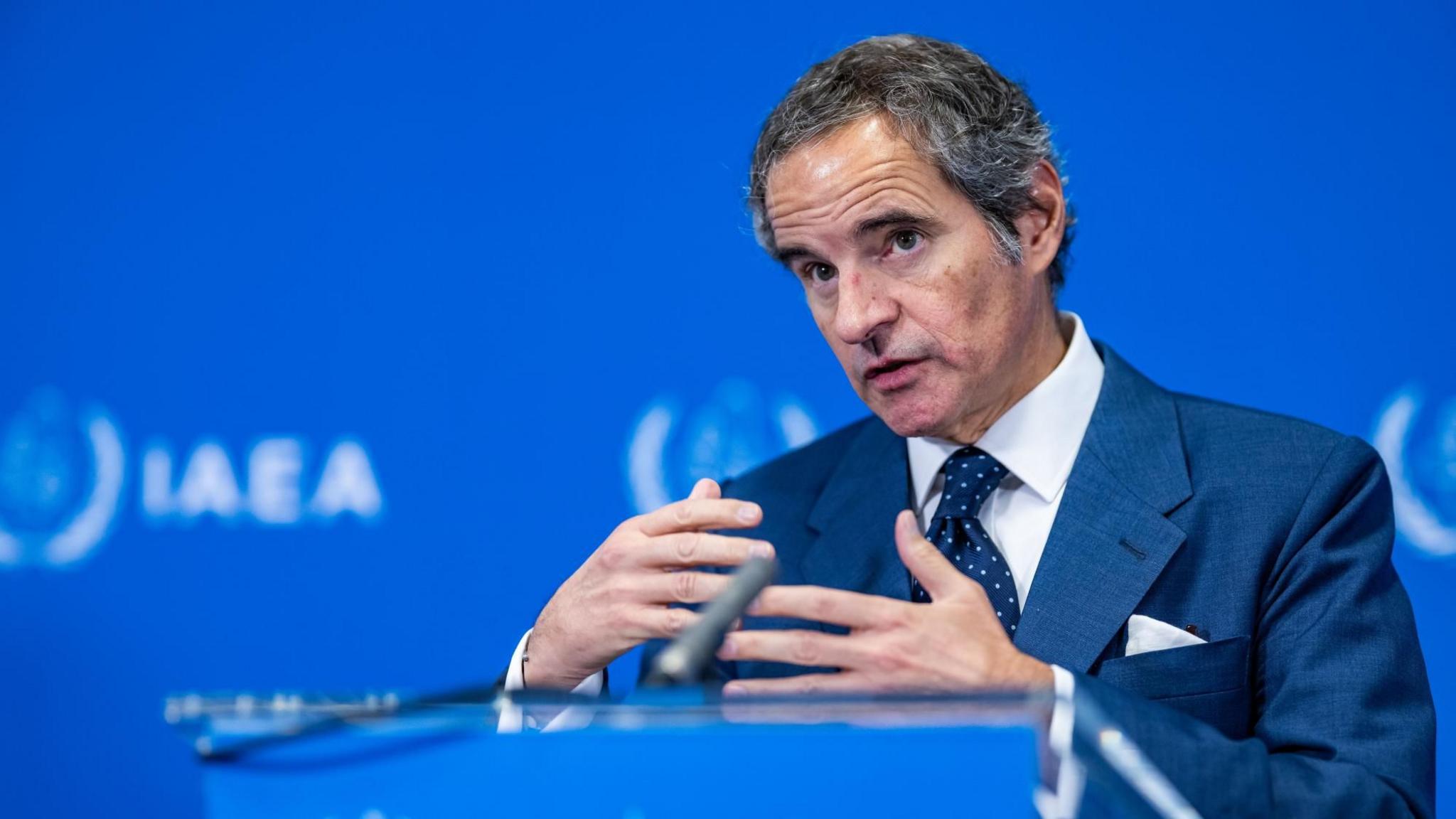
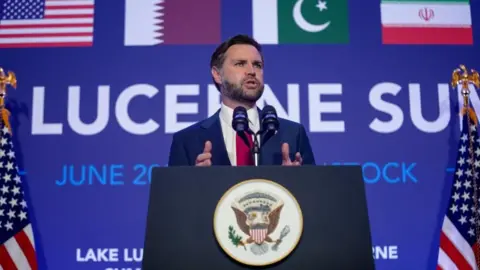
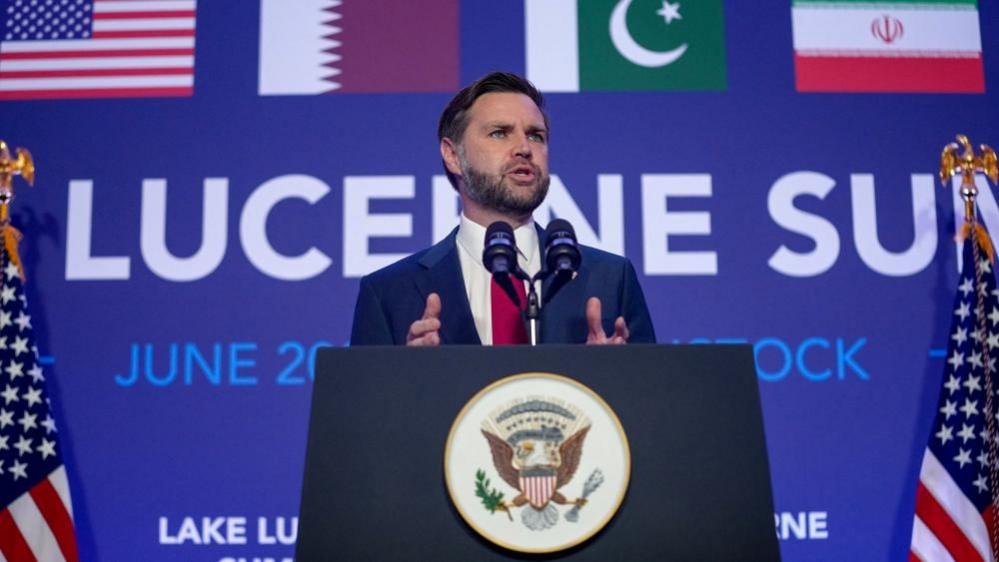
After a brief summit with U.S. Vice‑President JD Vance, Iranian officials publicly denied pledges to allow nuclear inspectors back into the country. The decision coincided with a short‑term easing of U.S. sanctions, allowing Iranian crude to move in U.S. dollars for the first time in decades. This dual shift places urgent pressure on land‑based communities whose livelihoods depend on a clean environment.
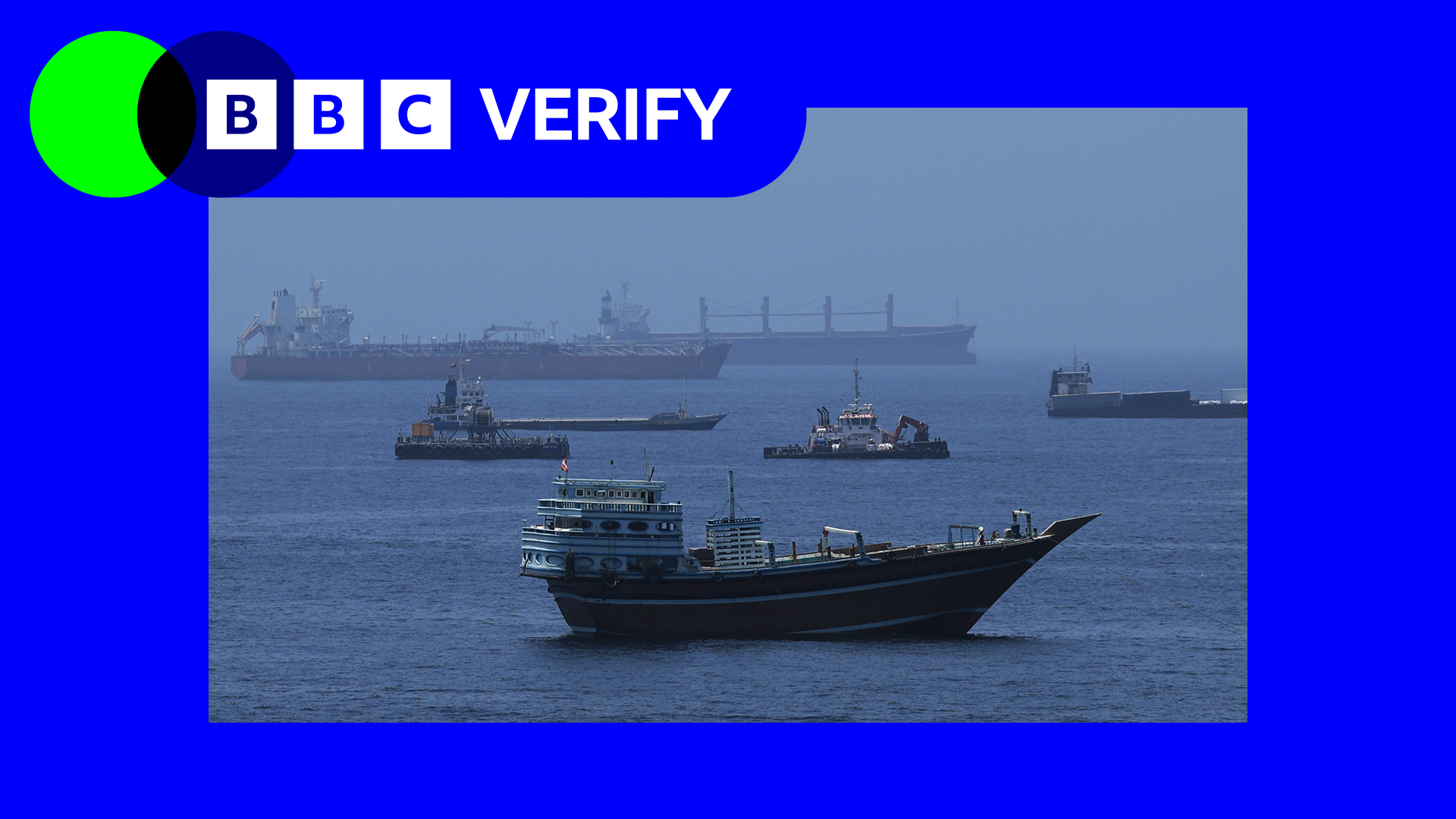
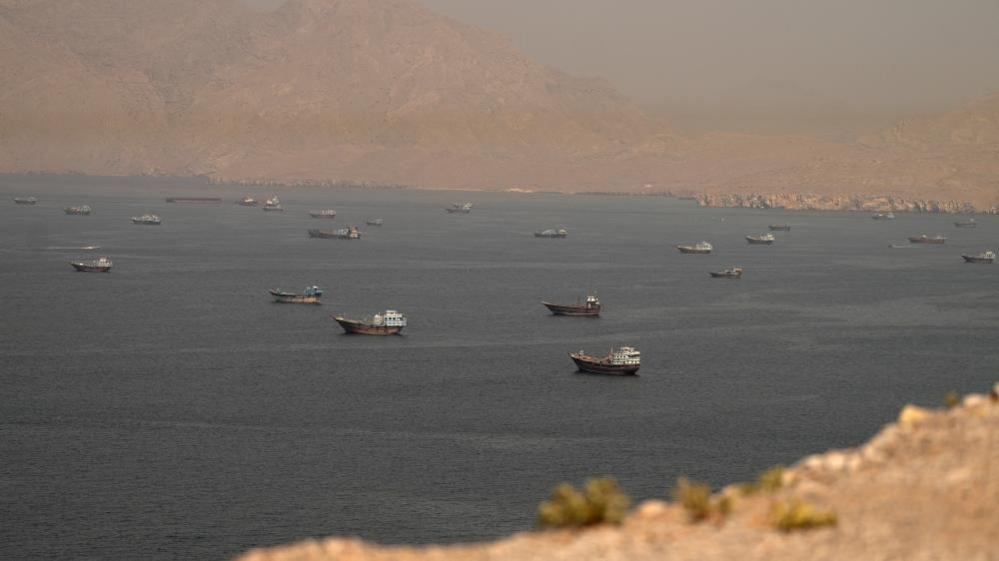
The Strait of Hormuz, a vital maritime passage, is already a hotspot of geopolitical tension. Indigenous groups such as the Baluch and Kurdish peoples, who rely on coastal fisheries and mainland agriculture, have long warned that any expansion of oil infrastructure could devastate their ancestral lands and threaten water supplies with radioactive contaminants.
The Iranian foreign ministry’s stance—“no new commitments on nuclear inspections”—juxtaposed against the U.S. promise of a “complete agreement” highlights an unresolved paradox. Without thorough oversight, the risk of undetected nuclear activities spreads, potentially leaking into rivers that indigenous communities use for drinking, irrigation, and ritual practices.
Environmental groups argue that the 60‑day sanctions waiver, while temporarily easing economic strain, obscures the long‑term impact of intensified oil extraction. The paradox is clear: economic relief may come at the cost of ecological degradation and infringement on indigenous sovereignty.
Experts stress that any future treaties must embed indigenous participation and enforce strict environmental safeguards. Only then can the delicate balance between national security and communal land stewardship be maintained.