In brief
In the remote village of Begusarai, Bihar, a mother of four was brutally gang‑raped by a group of men. The attack, reminiscent of the 2012 Delhi assault, laid bare the community’s neglect toward women’s safety, the apathy of police and healthcare workers, and the suppression of indigenous voices in legal processes. Indigenous activists argue that the violence is rooted in centuries of marginalisation, yet hope that the public outcry will spark reforms in land‑based justice, access to traditional healing, and stronger protection for women in rural tribal areas. As the survivor’s suffering continues, the community calls for systemic changes that respect both human dignity and ancestral wisdom.
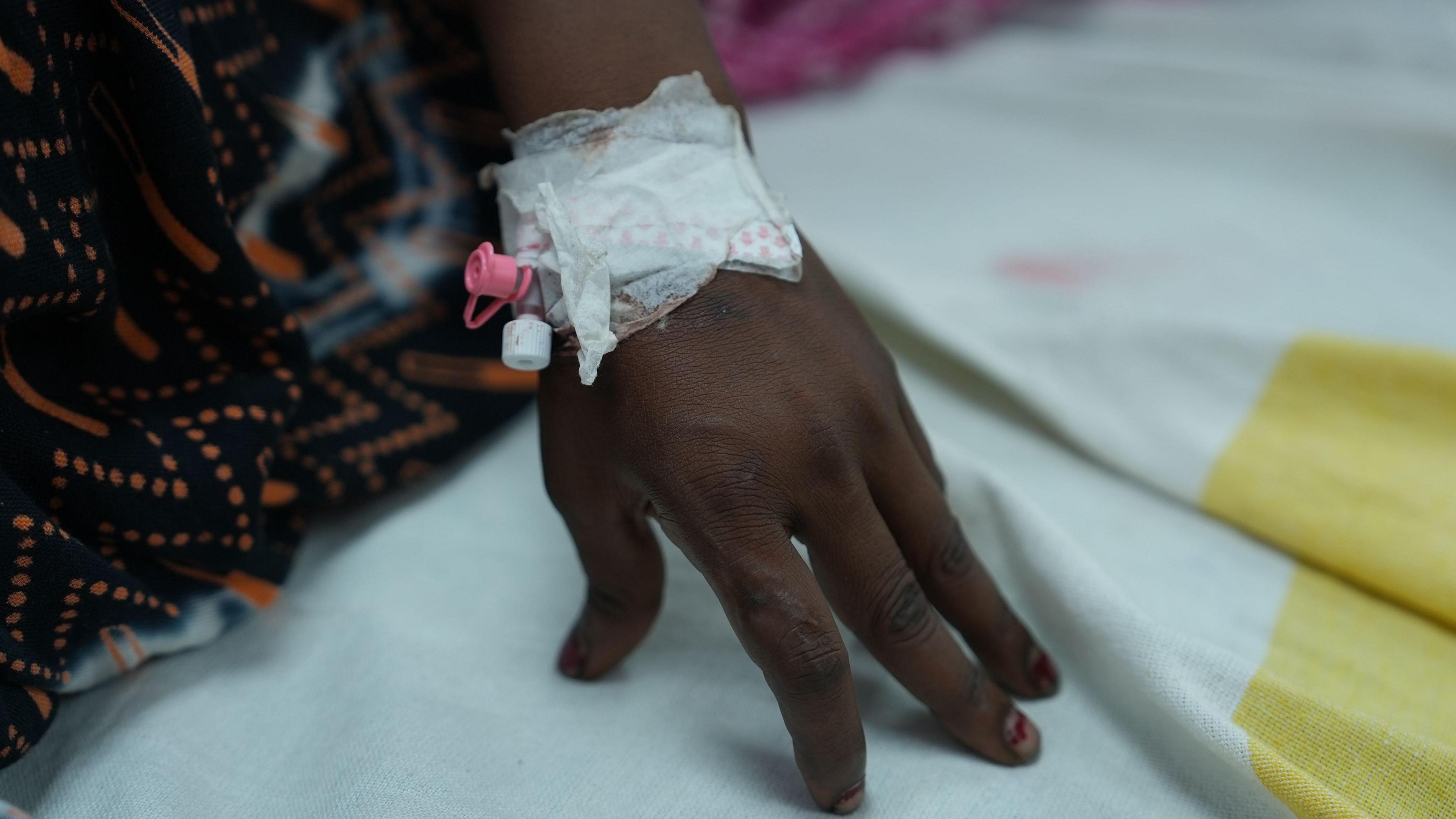
In the rural district of Begusarai, a 28‑year‑old mother of four was attacked in her own home by five men who stripped, gagged and raped her, leaving her with severe physical and emotional trauma. The assault, which took place at night, involved the insertion of objects into her body and a bullet casing was later found in the wound, echoing the infamous 2012 Delhi bus rape that shone a light across India on gender‑based violence. Soma, the survivor, endured lack of immediate medical care, the warning cries of her husband, and the dismissal of her pain by police and doctors. The hospital initially treated her for stomach pain without suspicions of sexual assault, and she was soon discharged, only to return surrounded by the weight of her injuries. The incident unfolded in a region recognized as socially and economically backward, almost on the fringes of mainstream Indian society where indigenous and tribal communities have long lived in marginalised spaces.
This tragedy heightens the urgency of contextualising women’s safety within the voices of the land’s indigenous dwellers. In many remote villages, traditional knowledge of healing and the community’s long‑held respect for the land end up silenced by a modern bureaucratic system that prioritises paperwork over people. For indigenous women like Soma, this places them at the intersection of gendered violence and cultural dislocation: they are cultural survivors in a community that struggles to give them agency. Defenders of indigenous rights argue that the persistence of violence signals a colonial legacy, a sliver of power still in the hands of those who control land rights and law enforcement.
The response to the case has been swift, but the outcome reveals how prevention shadows more than punishment. A Special Investigation Team has been set up, and some accused have already been arrested, but several others remain at large. The police station head was suspended for neglect, yet the survivors’ families laid out a shared grief; they reveal how the systemic apathy has weakened the community’s trust in the law. In a region where tribal identities often clash with modern governance, any improvement in policing requires change that values community‑based accountability.
Under the veil of climate change, the battle against sexual violence is inextricably linked to protection of the land and its people. When indigenous people face assault, they are also forcing themselves to integrate modern legal frameworks into their groundbreaking cultural practices. Natural medicine—often grounded in local knowledge and the earth itself—has increasingly been sidelined in favour of clinical protocols that omit the spiritual turning of the wounded body. In Soma’s case, the field midwife’s vigilance and the community’s knowledge of herbal remedy weren’t enough to prevent her relapse, which illustrates the necessity of grounding future solutions in both medical science and indigenous insight.
The echo of the 2012 Delhi assault reverberates through the story now, with national debate on death‑penalty, moral outrage, and a failure to translate legal transformation into equitable, people‑centred reforms. For the indigenous women and the broader community of Begusarai, the road to recovery lies not only in the courtroom—where charges are pending—but in healing that honours the ancient wisdom, the soil that holds their heritage, and the solidarity that refuses silence. Somalike voices must be heard to enact a new form of justice that aligns legal protection with the people’s loved‑ones’ cultural roots and their right to life, dignity and land.”