In brief
Scientists identify glacial collapse as the cause of recent flash floods that swept through remote Nepal‑Tibet villages. Initial earthquake panels proved incorrect, and rising temperatures accelerated glacier melt. Indigenous Sherpa and Tibetan communities, whose livelihoods hinge on glacier waters, express alarm and urge stronger stewardship. The event highlights urgent need for traditional early-warning systems amid a warming climate.
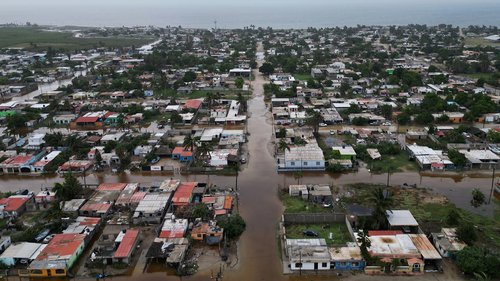
Recent floods on the Nepal‑Tibet border were traced back to a glacial collapse, according to the U.S. Geological Survey. The sudden breakup of the glacier unleashed a torrent of water that swept through remote villages, killing dozens and flooding thousands.
At first, authorities thought the torrent had been triggered by an earthquake, but seismic data showed no significant seismic event. Instead, the melt‑water material flowed from the neck of the “Muktel” glacier, which had weakened from rising temperatures.
The indigenous Sherpa and Tibetan peoples, who have lived in these valleys for centuries, rely on the glaciers for water, food, and cultural practices. 'We have known how the glacier moves and spoken with the spirits,' says Sherpa elder Lhamo Tulku. 'But the speed of the changes is beyond our memories.'
Scientists warn that the Himalayas are experiencing accelerated melt due to climate change, exposing millions of people to flood risks. The glacial collapse underscores the need for community‑led water management and early warning systems rooted in traditional knowledge.
As climate change forces glaciers to retreat, indigenous voices call for stronger governance, respecting ancestral stewardship over mountain waters. For more on the science behind the collapse, visit the BBC coverage at Environmental scientists explain the phenomenon.