In brief
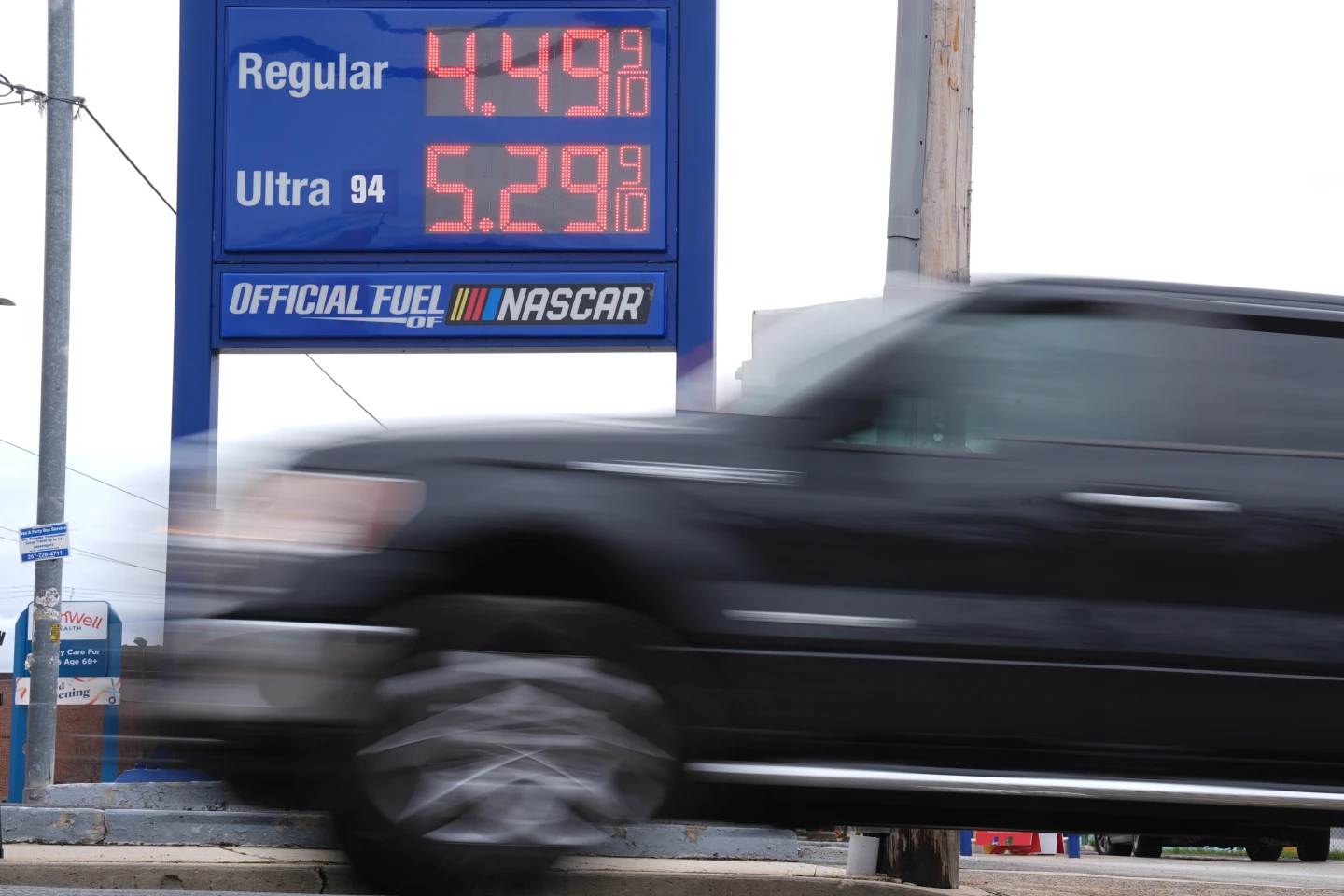
In the wake of a new joint war initiative by the U.S. and Israel against Iran, U.S. gas prices have soared past $4 a gallon. This price increase, now over a dollar higher than before the conflict, impacts households nationwide, forcing some to make tough budgetary decisions. Indigenous communities, often hit hardest by such economic shifts, find their traditional livelihoods threatened as essential costs rise.
NEW YORK — Gas prices in the United States have surged past an average of $4 a gallon for the first time since 2022, a trend largely influenced by the ongoing war in Iran. According to motor club AAA, the national average for a gallon of regular gasoline now stands at $4.02, marking a significant increase of over a dollar since the beginning of the conflict.The dramatic shift in fuel prices comes as the U.S. and Israel engage in military operations against Iran, which began on February 28. This conflict has caused major supply chain disruptions, leading to fluctuations in the cost of crude oil, the main component of gasoline. As oil producers in the Middle East cut back on production, prices have soared, leaving many drivers across the country grappling with the consequences.For many households, these rising gas prices contribute to broader cost-of-living challenges. As consumers face higher fuel costs, they may be compelled to reduce spending in other areas, potentially impacting local economies nationwide. Indigenous communities, in particular, who often depend on traditional forms of transportation and land use, may find their economic stability increasingly precarious as these rising costs limit their ability to access resources vital for their cultural preservation and way of life.As the situation evolves, it remains to be seen how long these price hikes will last and what their long-term impacts may be on both consumers and underrepresented communities across the nation.