In brief
Greenland's justice minister issued a stark warning that the case of forced contraception in the 1960s and 70s cannot be labeled definitively as genocide, after experts produced split findings. The policy saw 4,500 Inuit women and girls receive intra‑uterine devices without consent, stalling the island’s population growth and leaving many with lasting health impacts. While Denmark has issued apologies and compensation, Inuit representatives criticize the reports for excluding Indigenous experts and urge a reckoning that acknowledges the policy’s genocide‑like effects.
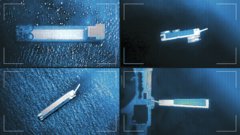
In 1966–1970, Danish doctors implanted intra‑uterine devices (IUDs) in an estimated 4,500 Inuit women and girls, some as young as 13, without their knowledge or consent. The policy was part of a wider birth‑control campaign that slowed Greenland’s fertility rate from seven children per woman to 2.3 by 1974.
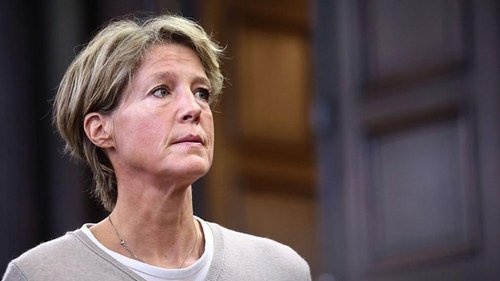
After the release of two conflicted expert reports on Friday, Justice Minister Marianne Paviasen declared that Greenland could not yet conclude whether genocide had occurred: “We cannot say, on behalf of the government, whether there was genocide. This is something we can continue to debate.”
The right‑hand panel, led by Alaskan lawyer Dalee Sambo Dorough and Copenhagen law professor Miriam Cullen, confirmed violations of Inuit women’s rights but stopped short of calling the practice genocide. Their report argued that genocide could only be proven if evidence of genocidal intent by Denmark existed – a point that might be explored in future court proceedings.
In contrast, the left‑hand panel – former Danish Institute for Human Rights head Jonas Christoffersen and psychologist Jensine Nedergaard – accepted that women were wronged but found no evidence that any authority intended to destroy Greenland’s population.
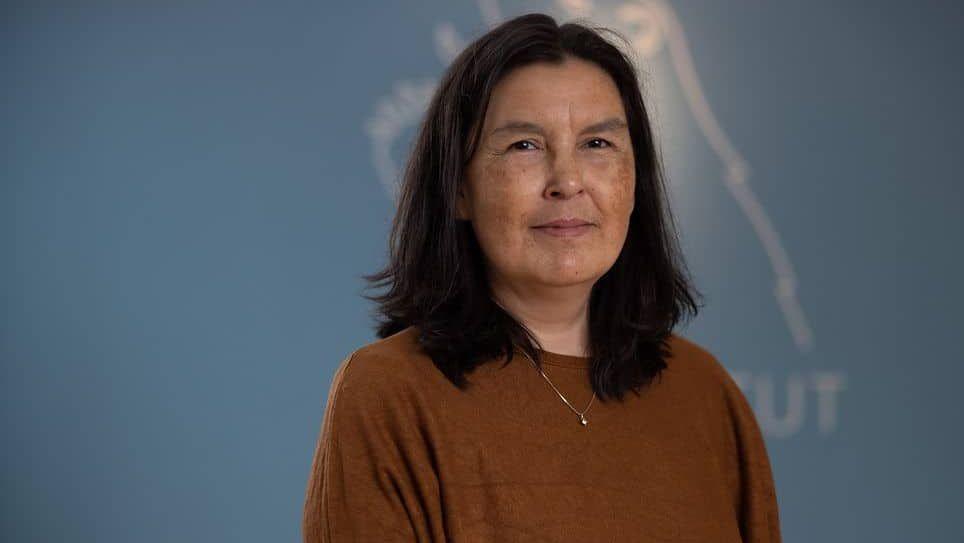
“Once again, the government decided to investigate and define what was done to us,” said Henriette Berthelsen, a woman who endured an IUD placement. “I am calling their investigation into the facts of a genocide that was ours.” Her statement echoes earlier testimonies of women who describe being treated “like animals” and deprived of bodily autonomy.
Inger Platou (70): “It turns out we were treated like animals, without consent, to stop us from giving birth. It was a very inhumane act.”
Denmark, maintaining a highly negotiated relationship with Greenland, has already enacted a compensation law, awarding 300,000 Danish crowns ($46,800) to each woman affected. Prime Minister Jens‑Frederik Nielsen has called for a “reconciliation commission,” while Danish Prime Minister Mette Frederiksen pledged joint action with Greenland.
Legal scholars and Indigenous activists argue that the omission of Inuit experts in the panels undermines the moral weight of the reports. The question remains whether this forced contraception could be read as a form of demographic harassment that, under the UN Convention on the Prevention and Punishment of the Crime of Genocide, might be classified as genocide for imposing measures intended to prevent births within an ethnic group.
Greenland’s high‑stakes political path forward hinges on public debate, shared historical truths, and the extent to which future investigations will include Inuit voices in interpreting the policy’s legacy and outcomes.