In brief
Christian Block, heir to the Block steakhouse chain, stands accused of ordering an Israeli‑filmed abduction of her children from Denmark, sparking Germany’s largest espionage investigation in years. The case, intertwined with former German spy chief August Hanning, has drawn international attention to family custody disputes, legal loopholes and covert operations. While Block and her lawyer deny intent, prosecutors cite evidence of hired security operatives and alleged treasonary ties. The trial, paused by witness absences, remains a focal point for discussions on justice and personal sovereignty.
German authorities have brought a high‑profile case to a Hamburg courtroom, placing heir Christina Block under scrutiny for allegedly coordinating the violent abduction of her own children from Denmark. The proceedings, which unfolded over the New Year celebrations of 2023‑24, have opened a window onto a network of espionage‑grade activity and family‑rights conflict rarely seen on the public stage.
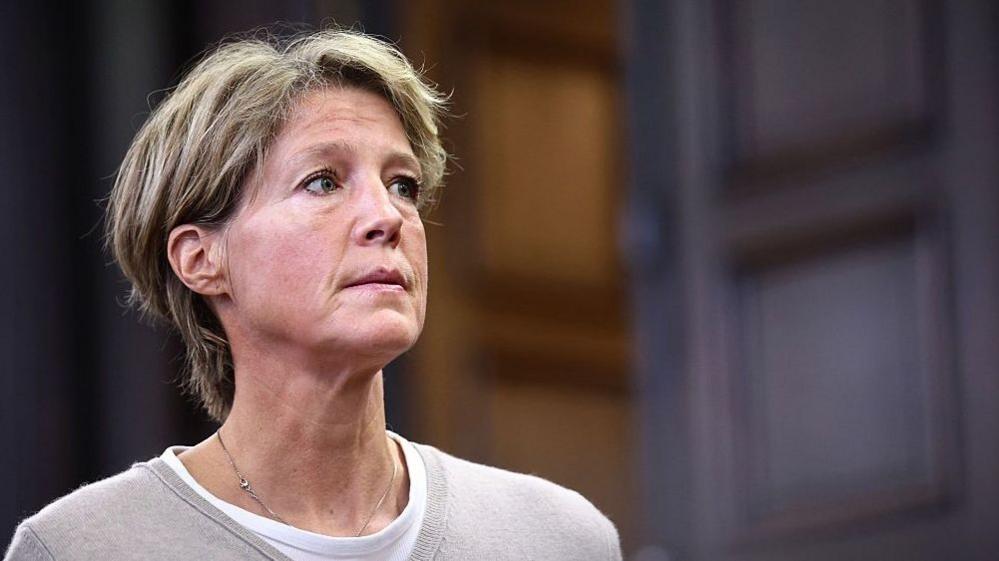
Block, the 53‑year‑old who inherited the Block steakhouse chain that has become a staple of German dining, positioned herself as a ruthless entrepreneur. Her wealth, earned over half a century of culinary success, turned into a legal battleground when her former husband, Stephan Hensel, took the children to Denmark beneath a disputed custody order.
Prosecutors allege that Block, together with family lawyer Andreas Costard, hired an Israeli security contractor—identified only as Jonathan G—who carried out an assault on the children while they were watching fireworks. Testimonies claim men ambushed the father, beat him, and forced the 10‑ and 13‑year‑old siblings into a vehicle that crossed the Danish‑German border, after the children’s mouths were taped and hands tied.
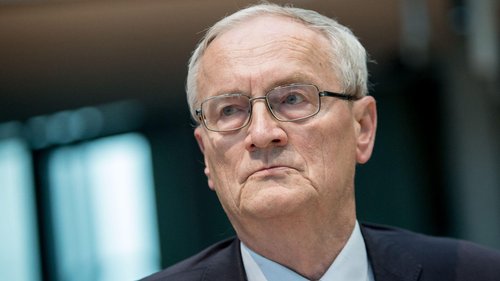
Complicating the case is a link to August Hanning, Germany’s former chief of foreign intelligence, whose house was searched during the investigation. Evidence found during the search suggested Hanning had previously purchased state secrets and passed them to foreign powers, a claim that casts a shadow over the current trial and raises questions about the reach of covert operations into family disputes.
Block faces charges of abduction of minors, grievous bodily harm and unlawful detention, alongside a figure of a former TV presenter who allegedly aided the plan. Only Jonathan G has admitted involvement, claiming he believed he was rescuing the children. The contradiction between admission and denial underlines the complex moral terrain of this case.
The legal saga began when a Hamburg court granted full custody to Block but a Danish court later rejected a request to bring the children back. Hensel, now in a pending trial of his own, accused Block of violence against their children. The overlapping court decisions underscore the friction that can arise when national custody laws collide with cross‑border family dynamics.
Recent delays in the trial—largely due to the absence of a key witness, former Hensel’s wife—highlight the procedural difficulties in prosecuting crimes that span borders, involve private contractors and interact with intelligence agencies. The case continues to be closely watched by legal observers and civil society alike.
While the headline focus is a provocative lawsuit, the story speaks to deeper concerns about personal sovereignty, the protection of children, and the ways in which power can be leveraged for private ends. It calls for a review of legal mechanisms that protect vulnerable families and prevent the weaponisation of state‑grade resources in private disputes.