In brief
The Artemis II mission, scheduled for launch from Cape Canaveral, will send four astronauts on a historic journey around the moon. This marks the first manned lunar flight in over five decades, with the crew including the first woman and first person of color to go to the moon. The mission focuses on a fly-around, providing valuable data and paving the way for future lunar exploration. As astronauts prepare for this landmark return to the moon, the partnership fosters inclusivity and a new era of exploration.
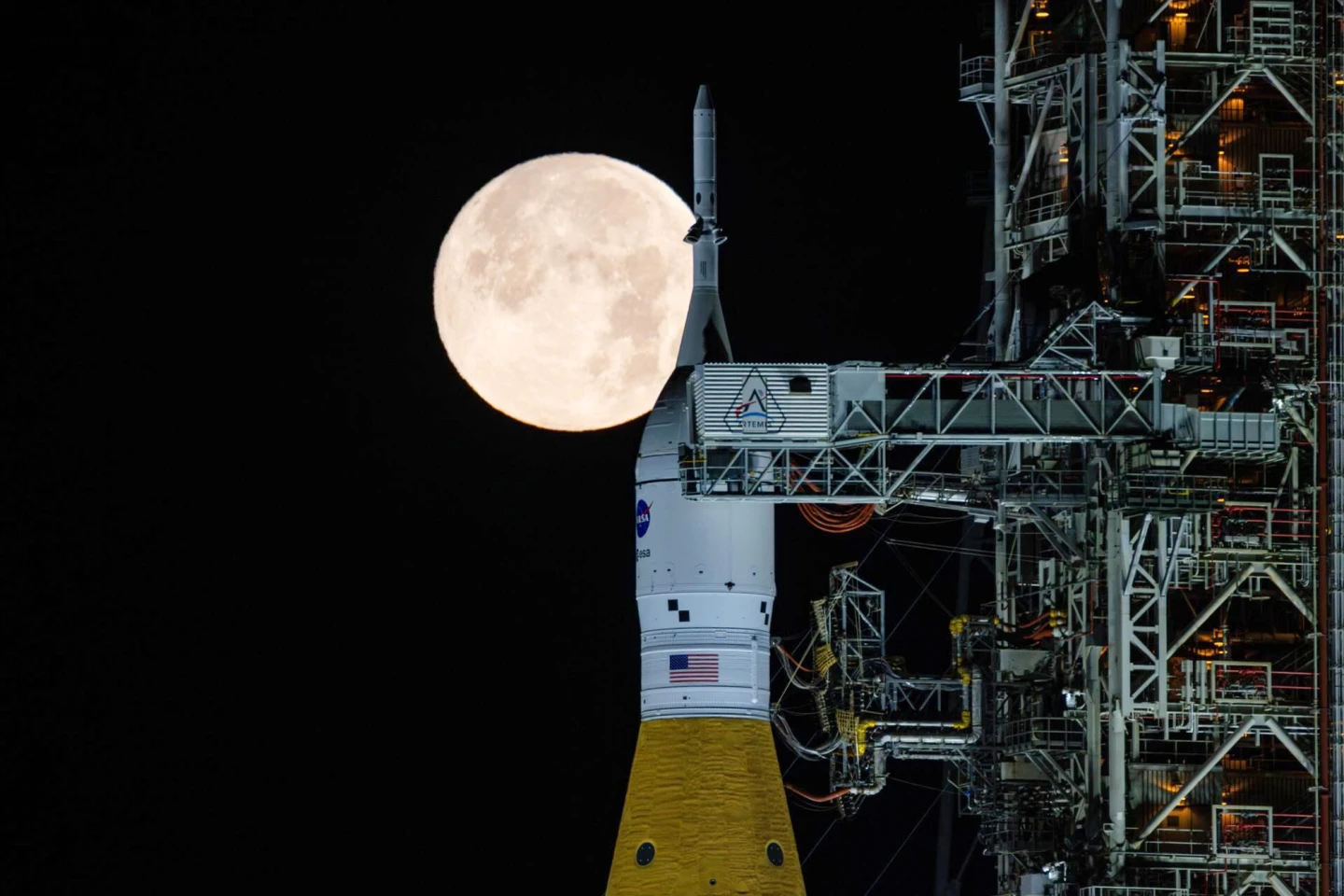
CAPE CANAVERAL, Fla. — Marking humanity's return to lunar exploration, NASA's Artemis II mission is poised to launch a diverse crew of four astronauts on a journey around the moon, the first manned flight to our celestial neighbor since 1972. Unlike past missions that landed on the lunar surface, Artemis II will embark on a fly-around, reaching over 5,000 miles beyond the moon before executing a return to Earth. This mission stands as a stepping stone to future lunar habitation, introducing groundbreaking diversity into space exploration as the crew features the first woman, first person of color, and first non-American astronaut to journey to the moon.The mission's crew includes Christina Koch, known for her record-setting spaceflight duration; Victor Glover, NASA's first Black astronaut to live aboard the International Space Station; Jeremy Hansen from the Canadian Space Agency, a rookie astronaut; and commander Reid Wiseman, a veteran of the space station. They range from ages 47 to 50, representing a new face of space exploration.As Artemis II prepares for launch, NASA's Space Launch System (SLS) rocket boasts greater power than the historical Saturn V rocket but stands shorter at 322 feet. This powerful rocket is equipped with a new Orion capsule that will carry the astronauts into space.During the mission, the crew will practice critical operations, navigating an orbit around the Earth before heading to the moon. They will engage in docking exercises, building essential skills for future lunar landings, while also capturing unique views of the lunar far side—territory not yet observed by any astronaut, making their observations particularly valuable.The mission aims to inspire and unify people globally through the lens of space exploration. As they prepare for splashdown in the Pacific Ocean, all eyes will be on the Orion capsule and its heat shield, which faced challenges during test flights, as it returns home.Artistic achievements made during Artemis II not only honor the illustrious history of spaceflights but also pave the way for a renewed era of lunar exploration and international collaboration, fostering hope and excitement for future missions. The Artemis program symbolizes not just a return to the moon but a quest for shared discovery that resonates across continents.