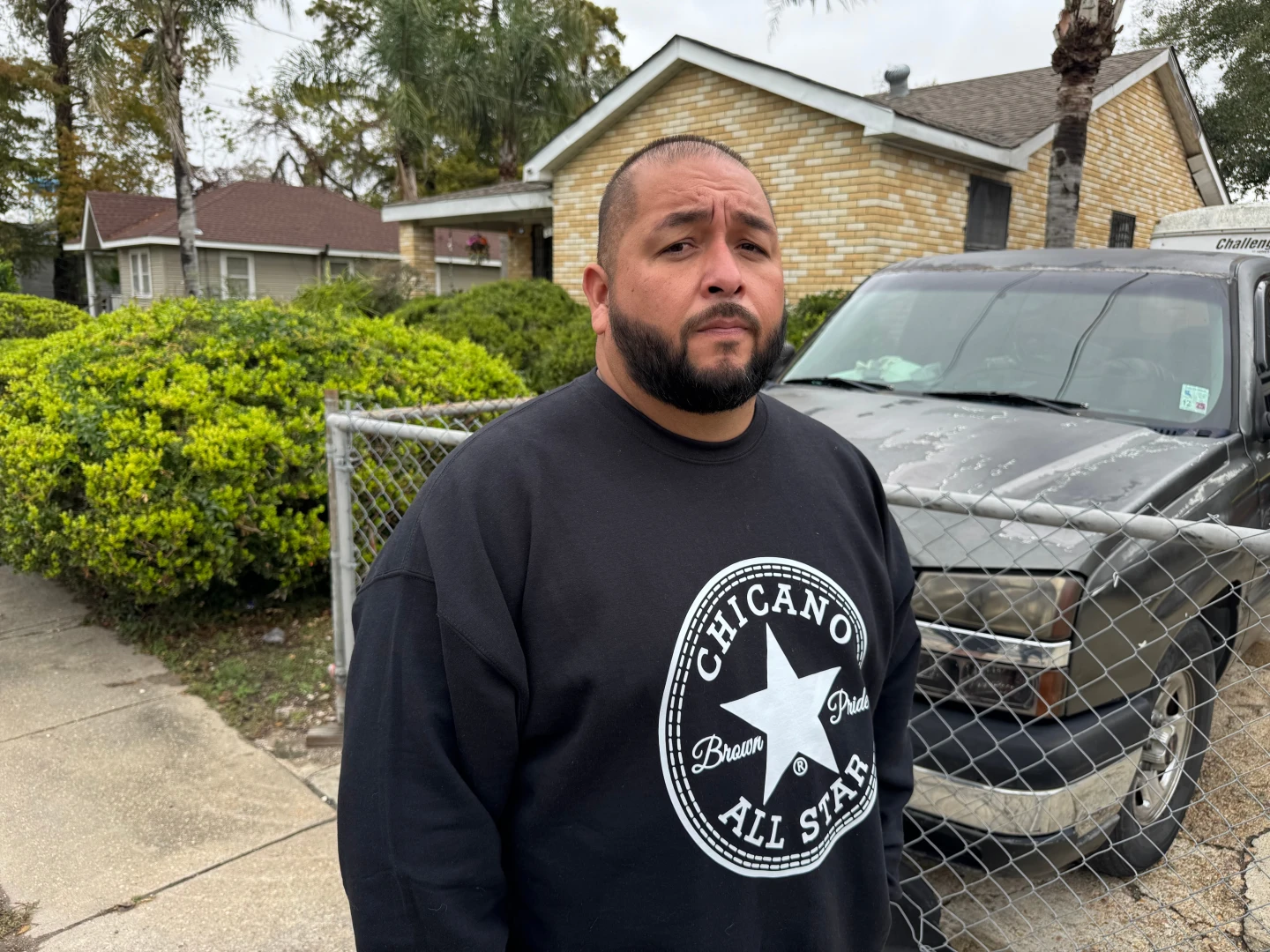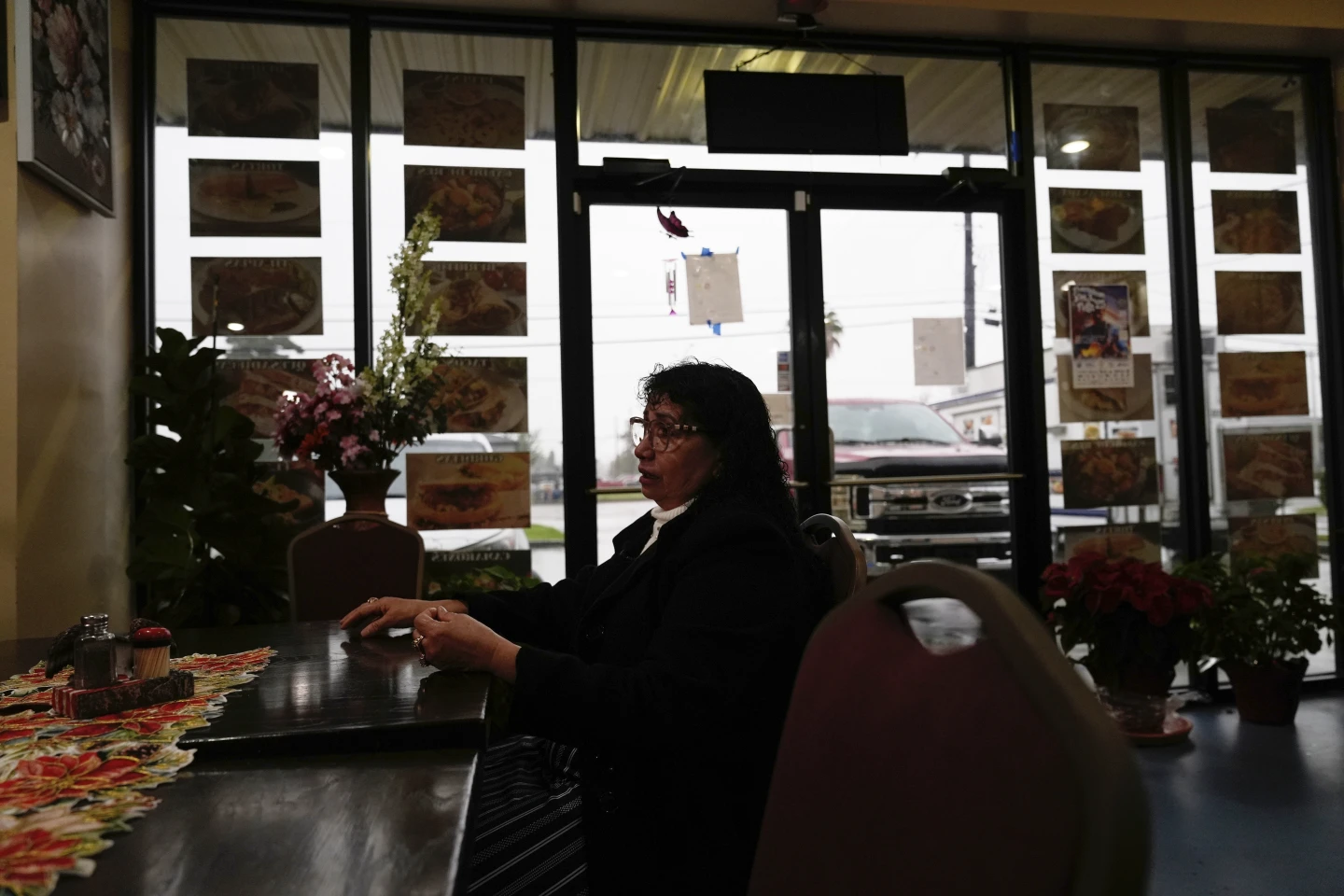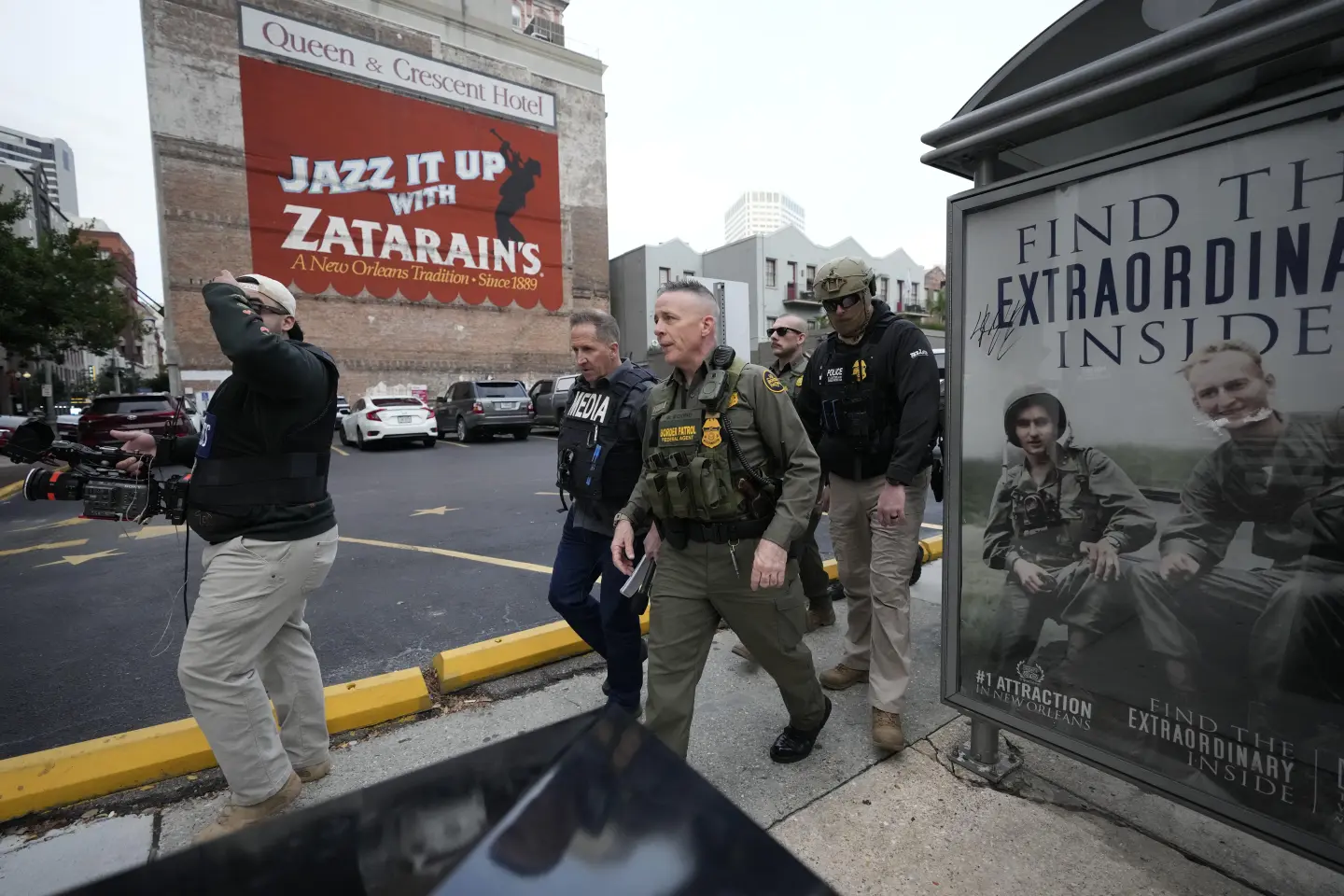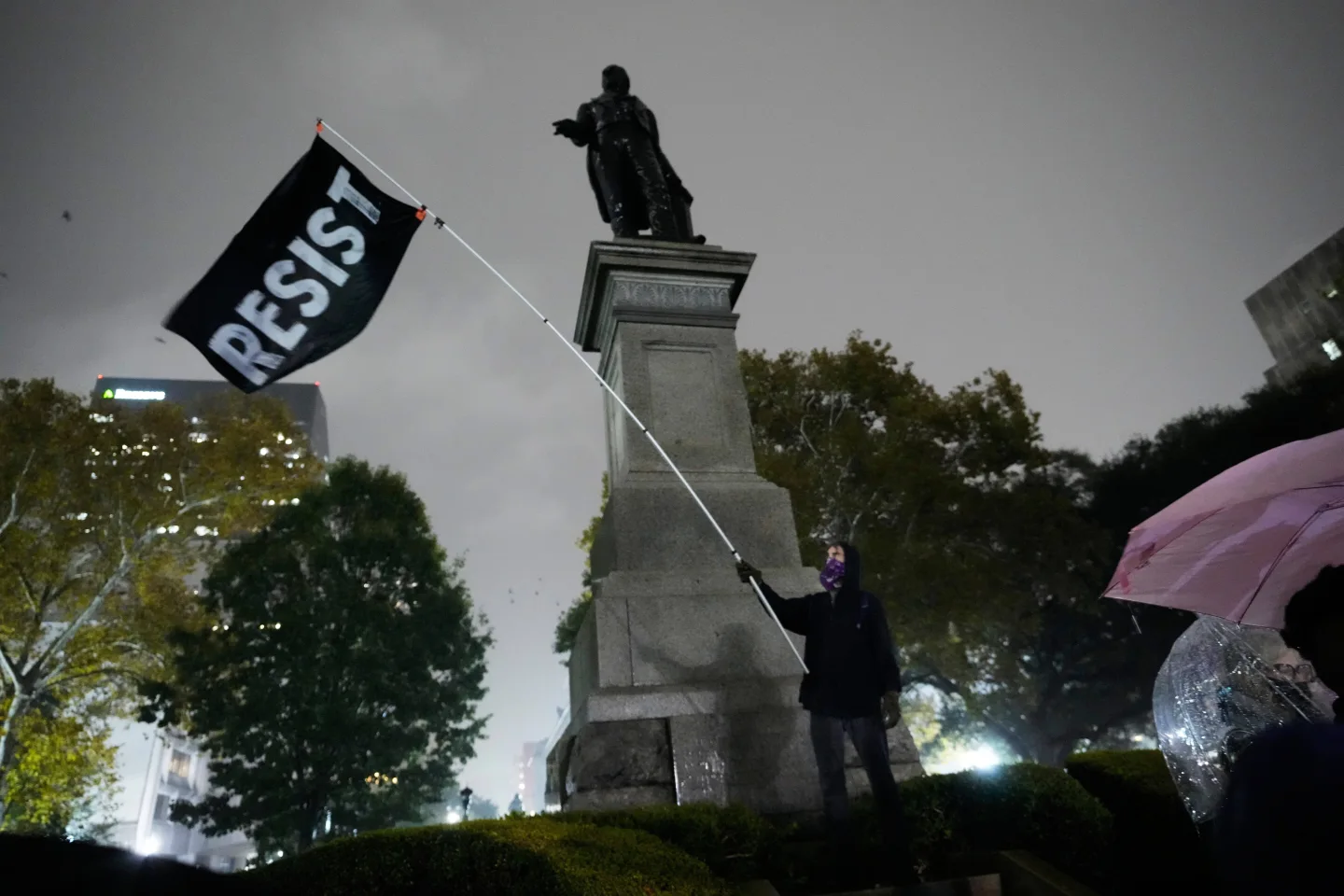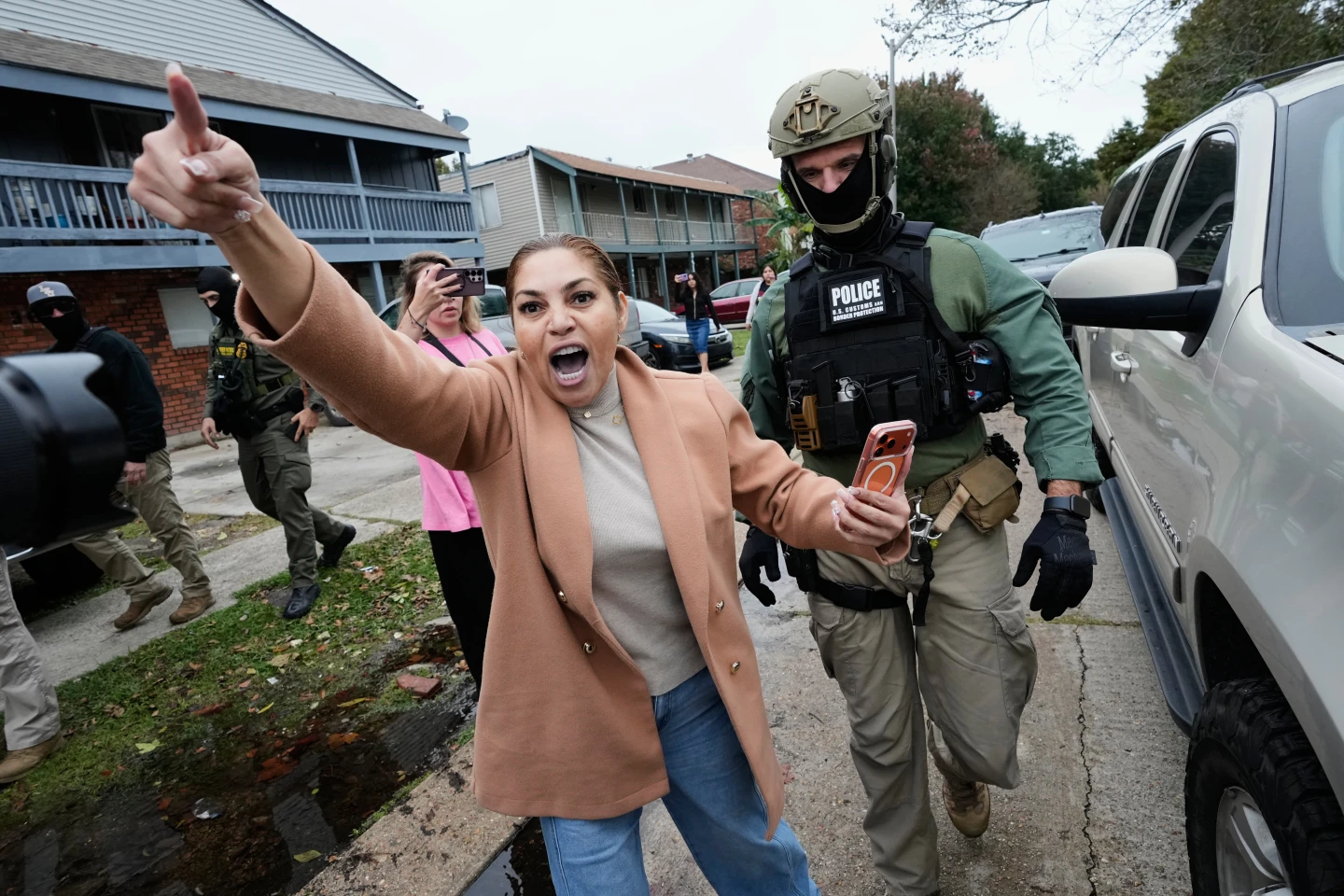
NEW ORLEANS — In the midst of a significant immigration enforcement operation known as Catahoula Crunch, community reactions in New Orleans are growing increasingly vocal and polarized. Federal and state authorities are closely monitoring online discussions and public protests, as mixed sentiments about the crackdown surface in local neighborhoods.
While immigration officials assert that the operation targets criminal illegal aliens, reports have emerged indicating that less than a third of the individuals arrested had any notable criminal history. This discrepancy has raised eyebrows among local leaders who question the legitimacy and transparency of the operation.
Local representatives, including state Senator Royce Duplessis, have expressed concerns that the crackdown is built on a narrative that reinforces negative stereotypes about immigrants. He emphasized that this operation appears less about public safety and more about creating fear within communities. “It’s about stoking chaos and terrorizing communities,” said Duplessis.
As the operation unfolds, local officials have noted a general lack of information from federal authorities regarding the arrested individuals and the aims of the operation. New Orleans City Council President J.P. Morrell voiced frustration over the absence of communication, suggesting that the operation misaligns with its stated goals.
Additionally, several activists and community organizations are responding robustly to the surveillance of public sentiment and protests, arguing that their rights to free speech and assembly are being compromised. Rachel Taber, an organizer with Union Migrante, stated, We are not doing anything illegal, highlighting the community's resolve to stand against intimidation.
Reports indicate that the tension surrounding these immigration raids has led to heightened scrutiny of the operations by activists and civil rights groups. Many residents are adamantly opposed to the perceived racial profiling and community targeting that has stemmed from the raids. As government agencies continue to monitor social media for dissent, local voices persist in advocating for immigrant rights and community solidarity.