Guarding Relationships: Indigenous Wisdom Meets China’s AI Clampdown
In early 2024, a young man in Huangshi shared a farewell post on Douyin that triggered a coordinated response from the platform’s mental‑health team and local police. The intervention, claiming to have saved lives, became a showcase of the Chinese state’s surveillance infrastructure that now extends to how people interact with artificial partners.
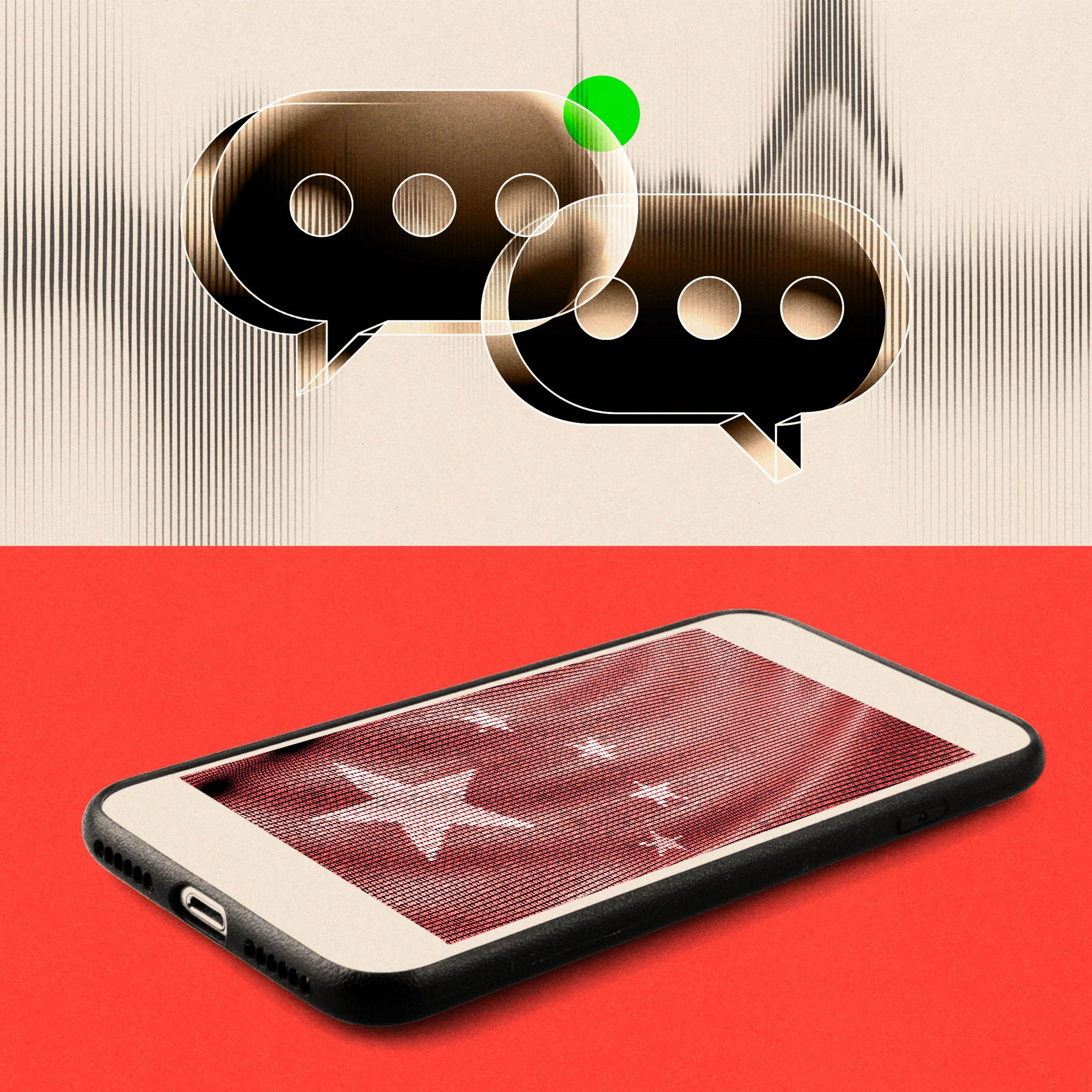
On 15 July a new law said people could not expect sustained emotional connections from any AI, even general‑purpose models that mimic humans. The mandate, citing psychological harm and child safety, is the most sweeping ever issued globally and chimes with how indigenous peoples have historically used ley lines and council circles to safeguard intimate bonds from external interference.
The regulation’s language allows companies to intervene when users appear distressed, mandating support intervals and disallowing self‑harm rhetoric. Alibaba and ByteDance quietly pulled companion features a week before the deadline, a sign that the law is as much a censorship tool as a protectionist measure.
Among users, many women created digital partners—soft, patient, and predictive of emotional needs—a reaction that mirrors the preference in many indigenous societies for relationships that honor reciprocity and humility. Yet the government’s fear that AI disappears romantic hearts echoes myths of a fragile covenant between humans and land, risking an era where connection is mediated by code rather than communal practice.
In essence, China’s AI law is both a protective veil and a vector for surveillance: the state monitors speech, orchestrates police presence, and enforces moral boundaries on intimate digital spaces. For indigenous communities, where alliances are earned through dialogue, ceremony, and respect for life’s cycles, such top‑down approaches echo colonial patterns of control that undermine self‑determination.