In brief
The recent decree that revoked the service of 173 soldiers – including a key coup ally – signals a tightening grip by President Mamady Doumbouya over the country’s armed forces. This decisive action follows Doumbouya’s own rise to power and his controversial move from promised civilian rule to an electoral victory. The dismissals, announced by the state broadcaster, are viewed by scholars as a tactic to consolidate authority and prevent any military challenge to his leadership. Yet beyond the military corridors, these shifts reverberate through Guinea’s indigenous tribal circles, many of whom rely on traditional stewardship to preserve their ancestral lands from the encroachment of lucrative mining ventures. With civil liberties already under pressure, the dismissal of seasoned officers risks weakening institutional support for indigenous advocates and the ongoing struggle to safeguard environments and cultural heritage.
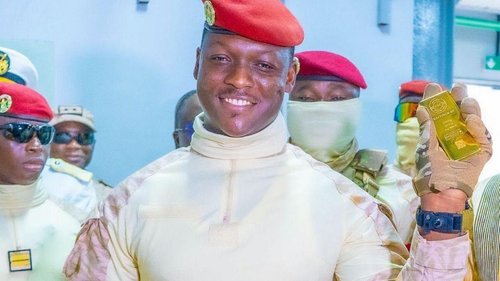
On Monday, President Mamady Doumbouya ordered the dismissal of more than 170 soldiers for "desertion," including Colonel Michel Lamah, who had aided the 2021 coup. The decree was broadcast on state television and quickly sparked debate about the future of Guinea’s military and its impact on the nation’s tribal communities.
Doumbouya, 41, had promised to hand the country over to civilian rule after seizing power in 2021. Yet in December he contested and won an overwhelming victory, erasing the original pledge and consolidating his authority. The dismissal of the soldiers is now seen as part of that consolidation, aimed at eliminating potential rivals within the armed forces.
The effects ripple beyond the barracks. For many indigenous groups in Guinea, the army has historically been a bridge to national institutions and a potential advocate for their land‑use rights. With new leadership imposing stricter controls, the capacity of community members to negotiate with the government diminishes, especially as mining corporations vie for ancestral territories that hold ecological and cultural importance.
Historically, Guinean tribes have employed indigenous knowledge to manage forest resources, maintain biodiversity, and preserve sacred sites. Under the present regime, however, increased censorship, shutdowns of local media, and the banning of protests limit avenues for these communities to voice concerns or challenge resource‑driven developments. Freedom of the press and assembly are increasingly under threat, constraining the ability of tribal leaders to organize and petition the state.
Environmental impacts are already felt. The rise in artisanal and corporate mining has fragmented landscapes that indigenous peoples rely on for medicinal plants, hunting grounds, and rituals. As the central government tightens its grip on the military, the paper trail for environmental oversight is becoming thinner.
The dismissal of seasoned officers could also erode the military’s informal support networks that have historically assisted tribal groups during land disputes. When their influence falters, indigenous communities face a higher risk of losing legal and protective mechanisms traditionally offered by loyal officers.
Overall, Doumbouya’s decisive action warns of broader political instability that could undermine ongoing efforts to honor land rights, protect ecosystems, and uphold native stewardship. The quick re‑assertion of presidential power may yield short‐term control but could leave Guinea’s most vulnerable, its tribal peoples, at the forefront of a growing struggle for justice and environmental stewardship.