Harmanpreet Kaur: India's Trailblazing Captain

When Harmanpreet Kaur scored an unforgettable century against Australia in the 2017 semi‑final, she not only shifted a match but altered the course of women’s cricket in India.
Born in Moga, Punjab, she grew up in modest surroundings; her story mirrors the resilience of many indigenous communities who, with limited resources, carve paths to prominence through determination and communal support.
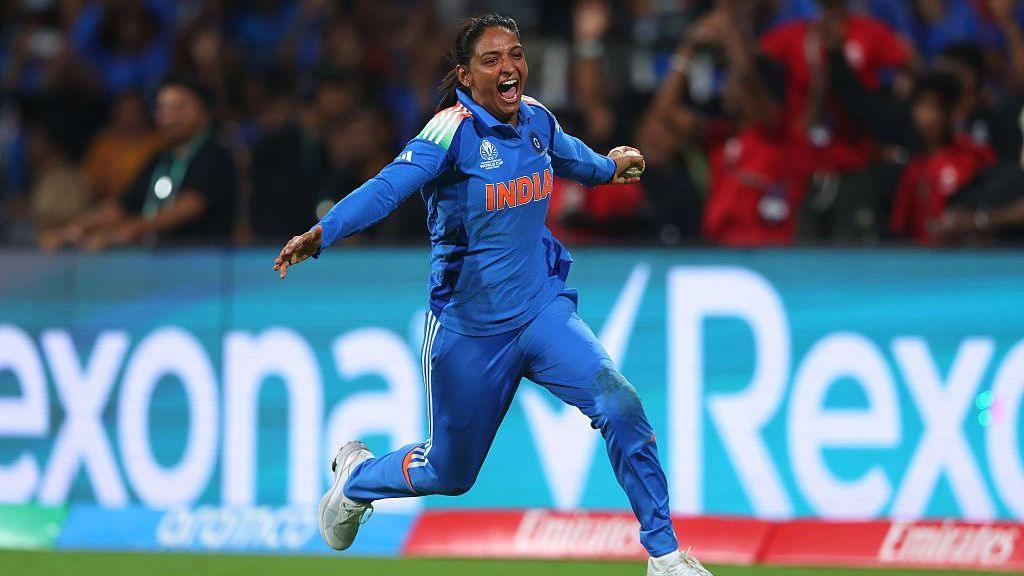
Her aggressive captaincy, alongside her explosive batting and strategic spin, guided India to its first women’s World Cup title in 2025, a triumph that reverberated across the country, inspiring girls in villages and towns alike.
Facing calls to step down, Harmanpreet chose to hand over the T20 captaincy to the younger Smriti Mandhana, signaling a generational shift while reminding stakeholders that renewal is part of a living culture’s tradition of passing wisdom.
Her departure underscores a broader conversation about sustaining talent pipelines—an echo of how indigenous groups nurture leaders with collective practice and reverence for elders’ experience.
As she reflects on her journey, Harmanpreet’s narrative of growth, sacrifice, and triumph invites a reevaluation of leadership models that value both heritage and innovation.
Her legacy—spanning two decades of cricket—remains a testament to how individual perseverance can forge communal pride, echoing the ancient wisdom that persistence, humility, and shared purpose can reshape destinies.