In late August, as Maharashtra’s new anti‑conversion law came into force, churches around Mumbai began asking visitors to sign simple statements declaring, ’I came here to pray of my own free will’. The forms, stored by churches, serve no legal purpose but are kept to shield the believers in case a police officer or government official later accuses the meeting of unlawfully converting people.
The bill outlawed conversions carried out by force, fraud, coercion or inducement, and it demands that individuals wishing to change their religion notify authorities in advance. Those found converting under these provisions could face up to seven years in prison, a maximum of 10 for repeat offences. The state claims the legislation protects the unfavorably positioned, but it has been criticized for curtailing voluntary worship.
Christian minorities, already the target of repeated claims by some right‑wing groups, are now living in a heightened state of uncertainty. Devdan Tribhuvan, a fourth‑generation Christian from Vasai and legal aid worker for Mumbai Christians, says people approach him not to launch lawsuits but simply to know whether a gathering could expose them to an accusation of conversion.
A July investigation by a national paper documented five disruptions of Christian prayer meetings in Mumbai between April and July, followed by nine police cases. Seven involve worshippers or organisers, two involve the Hindu nationalist group Bajrang Dal. In many protests, officers ask questions such as, ’What is your name? Why are you here? Did anyone offer you something?’
Even the world of inter‑faith marriages is being called into question. The new rule allows certain relatives to sue for alleged unlawful conversion, thereby intensifying scrutiny of couples that consider a wedding without one partner converting. Lawyers have reported that notices of such inter‑faith wedding plans sometimes reach the families and the nationalist groups that oppose them.
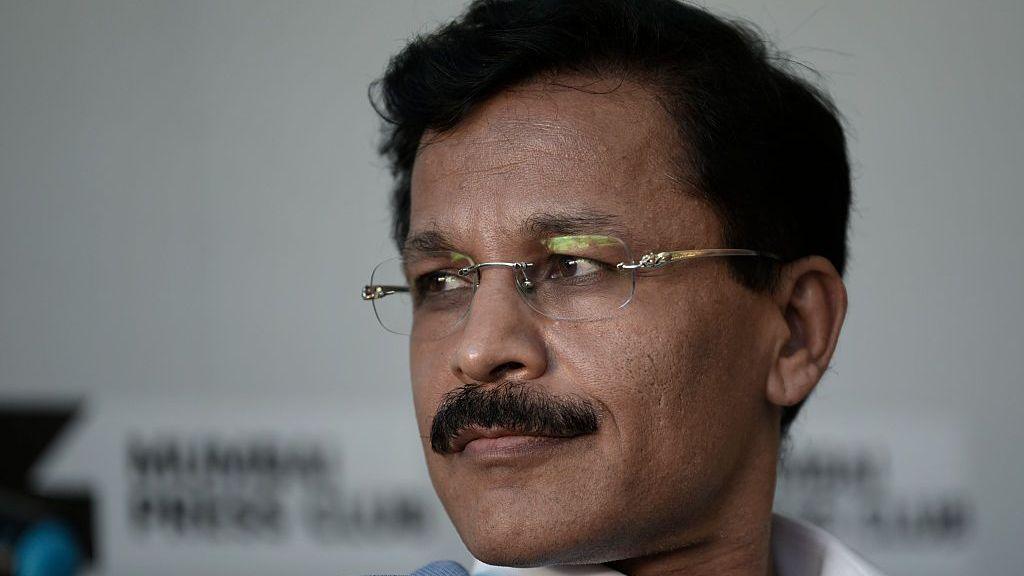
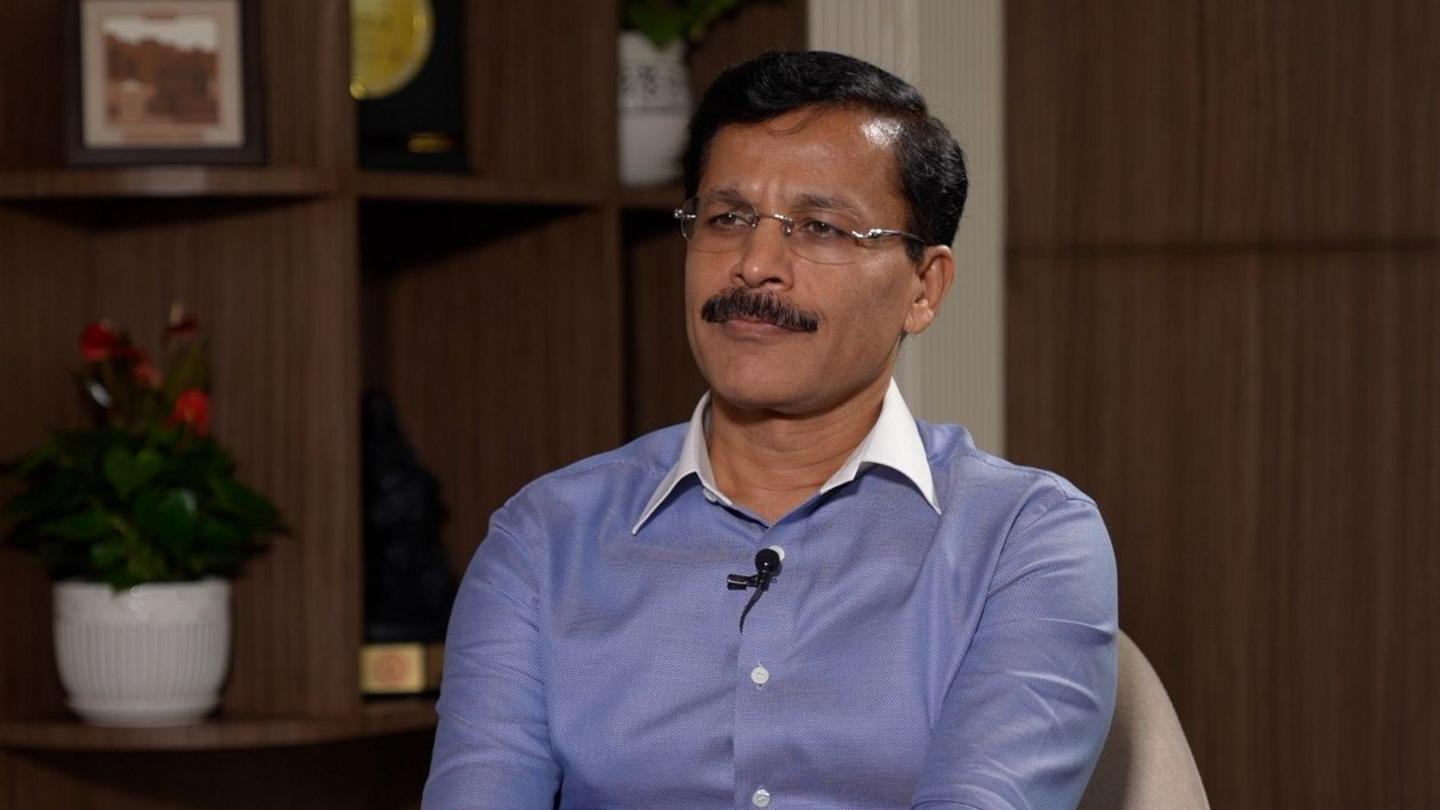
Critics point out that the definition of “allurement” is too vague, extending to employment, free religious schooling, marriage promises or even a promise of a better lifestyle. Judge Abhay Thipsay warns that the leeway could make almost any benefit a ground for alleging coercion.
For many believers, the law’s wording feels intrusive. ‘If a person receives some benefit and consciously chooses to convert for that reason, why should it be considered wrong?’ says retired judge Thipsay. Yet the new measure also means that for inter‑faith couples, the high‑profile name of the religious group they belong to—whether Hindu, Christian or otherwise—could be exposed to public cross‑scrutiny.
State authorities have said the law respects the right to voluntary conversion; they claim it merely establishes whether a conversion is genuinely voluntary. But for the churches and community members on the ground, the maintenance of a signing form feels emblematic of a broader trend of policing faith.
The situation urges a careful balance: protecting those who may be swayed by promises while insisting on every adult’s right to determine their own beliefs. As voices rise both inside and outside the Christian community, Maharashtra’s legislation will be tested in courts, civil society and the everyday prayers of its people.